The Hidden Network: Central Vacuum Pipe Repair and Maintenance
A guide to diagnosing, repairing, and cost management for the integrated pipe system of a residential central vacuum unit.
Table of Contents
Introduction: The Invisible Infrastructure
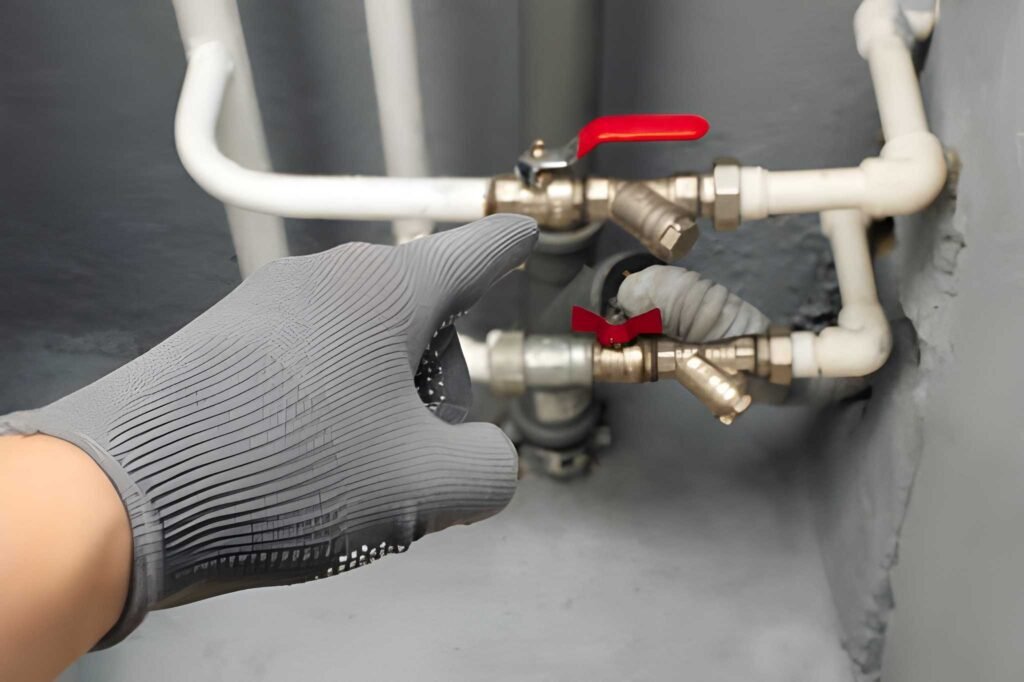
Central Vacuum Systems (CVS) are a valuable feature in many US homes, offering superior air quality and convenience. The system relies on a hidden network of smooth-bore PVC pipes—typically 2 inches in diameter—that run through the interior walls, attic, or crawlspace, connecting low-voltage inlets to the central power unit. When suction diminishes, the problem almost invariably lies within this fixed piping network, manifesting as either a complete **clog** or a **breach of pipe integrity (air leak)**.
Repairing these systems demands a methodical approach because the problem location is often concealed. Treating diminished suction without accurately diagnosing the difference between a blockage and an air leak leads to wasted time and unnecessary expense. For property valuation, a functioning CVS is an asset; a broken system, especially one with hidden pipe damage, becomes a liability that impacts buyer confidence and requires a clear repair strategy.
Diagnosis: Clog or Air Leak?
The first step is differential diagnosis. A clog and an air leak both reduce suction, but they require entirely different repair methodologies.
Differential Pressure Testing
The fastest way to determine the problem is to check the suction at the inlet closest to the power unit, typically in the utility room or garage.
| Condition | Symptom at Distant Inlets | Symptom at Inlet Closest to Unit | Primary Diagnosis |
|---|---|---|---|
| Clog | Low to No Suction | Often Full Suction (if clog is distant) | Physical Blockage |
| Air Leak | Low, Weak Suction | Low, Weak Suction (Systemic Issue) | Compromised Pipe Integrity |
| Power Unit Failure | Low Suction | Low Suction | Motor or Gasket Failure (Non-Pipe Repair) |
Locating the Pipe Issue
If a clog is confirmed, the problem lies between the last fully functional inlet and the first inlet with reduced suction. If an air leak is confirmed, the technician must inspect every visible joint and fitting, using auditory methods or a simple paper test (passing a sheet of paper near joints to see if it is drawn in).
Clog Repair: The Low-Complexity Fix
Most clogs are caused by foreign objects—children's toys, excess drywall dust, or large quantities of heavy debris. These repairs are typically low-cost and often achievable without professional help.
DIY Clog Removal Techniques
- Reverse Vacuuming: Use a standard wet/dry shop vacuum to create high pressure at the inlet or the pipe near the central unit, attempting to push the blockage back out.
- Drain Snake: Use a flexible, non-metallic drain snake or specialized central vacuum snake to manually dislodge the clog. Care must be taken not to puncture the PVC pipe.
- "Clogging" the Clog: Feed an item like a foam ball or section of hose into the line to temporarily seal the clog, then turn on the main unit. The sudden pressure buildup behind the obstruction often forces it out.
Professional Clog Removal Cost
If the blockage is deep or resistant, a professional HVAC or central vacuum specialist uses compressed air or specialized pressurized water systems to clear the line.
Typical Cost: 150 dollars to 400 dollars. This is generally labor and travel time, as no materials are required for the fix itself.
Air Leak Repair: Locating and Sealing PVC Joints
Air leaks typically occur at joints where pipes were improperly glued or at pipe sections that have cracked due to impact or stress. The pipe material is rigid PVC, requiring specific methods for a permanent seal.
PVC Solvent Welding
The standard repair for a leaky joint is to clean the joint thoroughly and apply new PVC solvent cement (glue) over the entire perimeter. If the leak is a hairline crack in a straight section of pipe, the area must be cut out and replaced with a new length of pipe and two couplings.
Never attempt to seal a permanent PVC air leak with duct tape, electrical tape, or standard silicone caulk. These temporary measures will fail due to the constant pressure cycling, requiring the technician to return and perform the permanent solvent weld later, doubling the labor cost.
Pipe Accessibility and Cost
The primary cost driver for a leak repair is **accessibility**.
- Accessible Leaks (Attic/Crawlspace/Utility Room): Labor is minimal. Cost is 150 dollars to 450 dollars.
- Inaccessible Leaks (Interior Wall): Requires cutting access holes in drywall to reach the pipe, repair the PVC, and then patch the drywall. This is a multi-trade repair (vacuum tech plus drywall/paint) and is significantly more expensive. Cost is 500 dollars to 1,200 dollars, depending on the number of holes required.
Major Pipe Damage and Renovation Errors
The most expensive pipe repairs stem from inadvertent damage during renovations, such as a contractor drilling through the pipe while running new wiring or plumbing.
Full Pipe Replacement Process
If a pipe is crushed or has a large hole, the entire damaged section must be replaced. This involves:
- Cutting out the damaged section.
- Installing a new length of the correct 2-inch PVC tubing.
- Securing the new section with two solvent-welded couplings.
- Testing the line pressure to ensure integrity.
If the damage is in the wall cavity, the final cost will include the expense of demolition and subsequent drywall reconstruction, often requiring a dedicated general contractor or handyman.
Cost Analysis: DIY Savings vs. Professional Fees
Analyzing the financial outlay requires separating basic maintenance (clogs) from permanent structural repairs (leaks).
Professional vs. DIY Cost Summary
1. Simple Clog Removal (DIY vs. Pro)
- DIY Cost: 50 dollars (Tools)
- Professional Cost: 150 dollars to 400 dollars
2. Exposed Air Leak Repair (Professional Only)
- Cost: 300 dollars to 600 dollars (Includes diagnosis, solvent welding, and labor).
3. Hidden Pipe Replacement (Worst Case Scenario)
- Vacuum Specialist (PVC Repair): 400 dollars to 700 dollars
- Drywall/Paint Reconstruction: 500 dollars to 1,500 dollars
- **Total Cost: 900 dollars to 2,200 dollars**
The highest cost is always the reconstruction of the finishes necessary to access the concealed piping.
Long-Term Value and Maintenance
A functioning central vacuum system contributes positively to a home's value, as it is a premium feature. Prompt repair maintains this value proposition. If a system is left broken, the entire infrastructure becomes a worthless liability. Investing 300 dollars to 600 dollars in maintenance ensures the thousands of dollars invested in the original system remain realized in the property's valuation.
Conclusion: Maximizing System Longevity
Repairing the central vacuum pipe network is a vital maintenance task that protects both air quality and home value. The repair strategy must focus first on diagnosing the issue—distinguishing a simple clog from a structural air leak. While clogs are often an effective DIY fix, pipe air leaks require professional solvent welding to ensure integrity. By quickly identifying and addressing pipe damage, property owners minimize the risk of costly drywall demolition and secure the long-term functionality of this valuable home amenity.