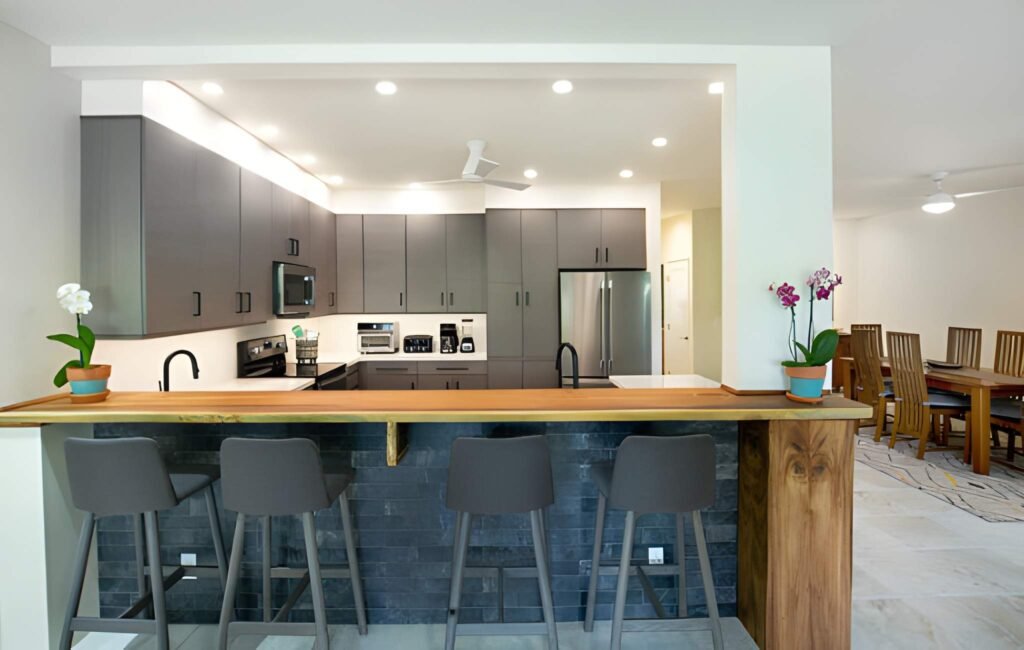

The prospect of simultaneously renovating a kitchen, bathroom, and basement is a monumental undertaking that represents the transformation of a house’s three most critical functional zones. This triad of projects moves beyond a simple update into the realm of whole-home reinvention. The promise of a “one-call” renovation company—a single entity that can manage this complex, multi-space overhaul—is incredibly compelling. It suggests a streamlined process with a single point of accountability, a unified design vision, and coordinated logistics. However, entrusting this scale of work to one contractor demands a rigorous vetting process and a clear understanding of both the immense advantages and potential pitfalls inherent in such an approach. Success hinges on finding a firm with the specific expertise, project management depth, and trade network to execute three vastly different types of renovations in parallel, all while maintaining quality, budget, and sanity.
The Triad of Transformation: Understanding the Three Projects
Each of these spaces has its own unique set of challenges, requirements, and cost drivers. A full-service contractor must demonstrate mastery over all three disciplines.
The Kitchen Renovation: The High-Traffic Hub
The kitchen is the operational and social heart of the home. This renovation is characterized by complex workflow considerations, a high density of expensive components, and intense mechanical and electrical demands.
- Core Challenges: Maximizing storage and counter space, creating an efficient work triangle, integrating a suite of appliances, and ensuring adequate task and ambient lighting. The selection of cabinetry, countertops, and backsplash must balance aesthetics, durability, and budget.
- Key Trades: Cabinet installers, countertop fabricators, plumbers, electricians, appliance specialists, and flooring professionals.
The Bathroom Renovation: The Wet-Space Sanctuary
Bathrooms are technically complex, compact environments where water management is paramount. A mistake here leads to leaks and mold, making precision and waterproofing the highest priorities.
- Core Challenges: Confining all plumbing within a small, often inflexible footprint; ensuring proper slope and drainage in showers; installing effective ventilation to manage humidity; and selecting materials that can withstand a wet environment.
- Key Trades: Tile setters (the most critical trade for a quality bathroom), plumbers, electricians, and glass installers for shower enclosures.
The Basement Renovation: Creating Conditioned Space
A basement renovation is fundamentally different; it is about creating living space from a raw, often damp, structural shell. This project is less about cabinetry and more about building science.
- Core Challenges: Moisture mitigation and waterproofing, insulating below-grade walls, installing a subfloor to separate the new floor from the concrete slab, creating a new HVAC zone, and providing adequate ceiling height and egress for safety and code compliance.
- Key Trades: Framers, insulation specialists, HVAC technicians, electricians, drywallers, and flooring installers.
The Allure of the Single Contractor: Weighing the Advantages
The value proposition of a one-call company is significant, especially for a project of this scale.
Unified Project Management and a Single Point of Contact. This is the primary benefit. Instead of managing three separate contractors, their schedules, and their invoices, you have one project manager overseeing the entire endeavor. This simplifies communication dramatically and ensures that decisions affecting one area are considered in the context of the whole project.
Integrated Scheduling and Logistics. A competent full-service firm will create a master schedule that sequences the trades logically across all three spaces. The electrician can rough-in the kitchen, bathroom, and basement on the same trip. The plumber can handle all supply and drain lines in one coordinated phase. This efficiency can compress the overall project timeline and reduce the disruption to your household.
Cohesive Design Vision. A design-build firm, in particular, can ensure that the new kitchen, bathroom, and basement feel like part of a unified whole. They can help select materials and colors that create a harmonious flow from the main living area down into the basement, increasing the perceived value and coherence of the entire home.
Volume Discounts and Simplified Budgeting. A contractor purchasing materials for three large projects may have more leverage with suppliers, potentially securing better pricing on lumber, drywall, tile, and fixtures. Furthermore, you receive one comprehensive proposal and one set of draw schedules, making financial planning and payment simpler.
The Inherent Risks and Due Diligence Imperative
The convenience of a one-call solution comes with heightened risk. You are placing an enormous amount of trust—and capital—into a single entity.
The Jack-of-All-Trades, Master of None Dilemma. Some general contractors are excellent at framing and drywall but lack the nuanced skill for a high-end kitchen or a perfectly waterproofed shower. You must verify that the company has a proven track record with projects of similar scope and quality. A portfolio filled with basic basement finishes is not adequate proof of capability for a chef’s kitchen.
Lack of Specialized Subcontractors. The quality of a renovation is ultimately determined by the skill of the tradespeople. A full-service contractor must employ or subcontract with elite specialists: a master tile setter for the bathroom, a meticulous cabinet installer for the kitchen, and a basement waterproofer with impeccable references. You have the right to ask about the specific subcontractors who will be working on your home.
The Potential for Opaque Pricing. A single, large, lump-sum proposal can obscure the true cost of each individual component. It can be difficult to determine if you are paying a fair price for the kitchen if it is bundled with the basement. A reputable contractor will provide a highly detailed proposal that breaks down costs by room and even by line item (e.g., demo, plumbing rough-in, cabinet installation, tile).
The Single Point of Failure. If something goes wrong with the company—a financial issue, a dispute, a key project manager leaving—your entire whole-house renovation grinds to a halt. This risk is far greater than with a single-room project.
The Vetting Process: How to Choose the Right Full-Service Firm
Selecting a contractor for this trifecta of renovations requires a forensic level of due diligence.
- Demand a Detailed, Line-Item Proposal. The quote should not be a single number. It must be a mini-breakdown for the kitchen, bathroom, and basement, specifying brands, model numbers, and grades of materials. For example:
- Kitchen: Cabinet brand and line, countertop material and thickness, appliance make and model.
- Bathroom: Vanity model, tile brand and type, shower fixture series.
- Basement: Framing lumber size, insulation R-value, flooring product name.
- Request and Verify References Specifically. Do not just ask for a list of happy customers. Ask for references from clients for whom the contractor performed a similar combination of kitchen/bathroom/basement work. Visit these homes if possible. Speak to the homeowners about how the contractor handled the complexity and coordination.
- Interview the Project Manager. This is the person who will be your daily contact. Ask them to walk you through their proposed schedule. How will they sequence the work to minimize disruption? How do they handle delays in material delivery for one room and its impact on the others? Gauge their communication style and organizational skills.
- Confirm Licensing and Insurance. Ensure the contractor carries general liability insurance and workers’ compensation. For a project of this scale, request to be named as an “additional insured” on their policy, which protects you in the event of an accident on your property.
- Scrutinize the Contract. The payment schedule should be tied to clear, verifiable milestones (e.g., “15% upon completion of basement framing and rough-in”). It should explicitly state a procedure for change orders and have a clause detailing how disputes will be resolved.
A successful kitchen, bathroom, and basement renovation with a one-call contractor can be a highly efficient and rewarding experience. It can transform your home into a completely updated, functional, and cohesive living environment. However, this path demands a client who is an informed and active participant. The goal is to find a partner, not just a provider—a firm with the demonstrated expertise, transparent operations, and managerial depth to deliver on the grand promise of a whole-home transformation. The convenience is real, but it is earned through rigorous upfront investigation and a partnership built on clear expectations and mutual respect.