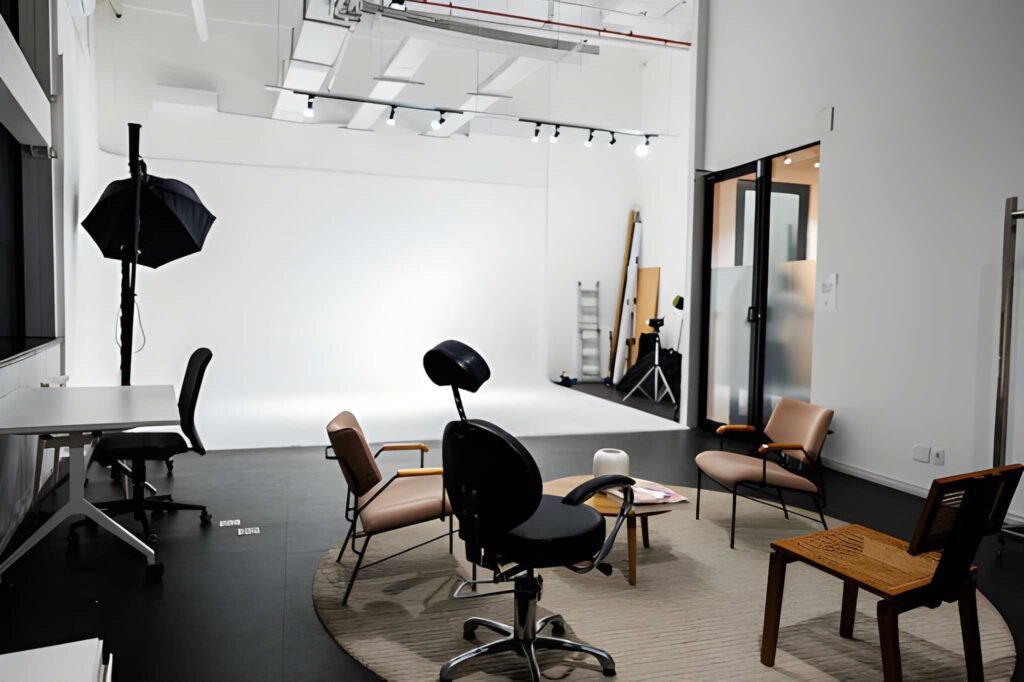
The studio apartment represents the purest form of urban dwelling, a compact canvas where every square foot must perform multiple functions. A full renovation of an intown studio is not merely an update; it is a radical rethinking of space, light, and utility. This project demands a surgical approach to design, where the goal is to dissolve the visual and physical barriers that make small spaces feel cramped, replacing them with a sense of fluidity, purpose, and unexpected spaciousness. The successful studio renovation transcends its physical limitations, creating a home that feels not just efficient, but expansive and deeply personalized, all within a hyper-convenient urban core.
The Philosophy of the Studio: Maximizing the Footprint
The core challenge of a studio is the consolidation of all living functions—sleeping, cooking, relaxing, working, and storage—into a single, undivided room. The renovation philosophy must therefore be one of intelligent compression and visual expansion. The aim is to create distinct “zones” without resorting to permanent, space-hogging walls. This is achieved through a multi-faceted strategy: employing a cohesive and light-enhancing material palette, using elevation changes and built-in furniture to define areas, and leveraging every inch of vertical space. The result should be a space that feels like a curated home, not a single room.
The Strategic Allocation of a Studio Renovation Budget
A full studio renovation involves a complete overhaul of all systems and surfaces. Because the space is small, the cost per square foot is often high, as it includes a kitchen and bathroom, the two most expensive rooms per square foot in any home. The following breakdown assumes a professional-level renovation of a 400-600 square foot intown studio.
| Budget Category | Investment Range | Strategic Rationale & Application |
|---|---|---|
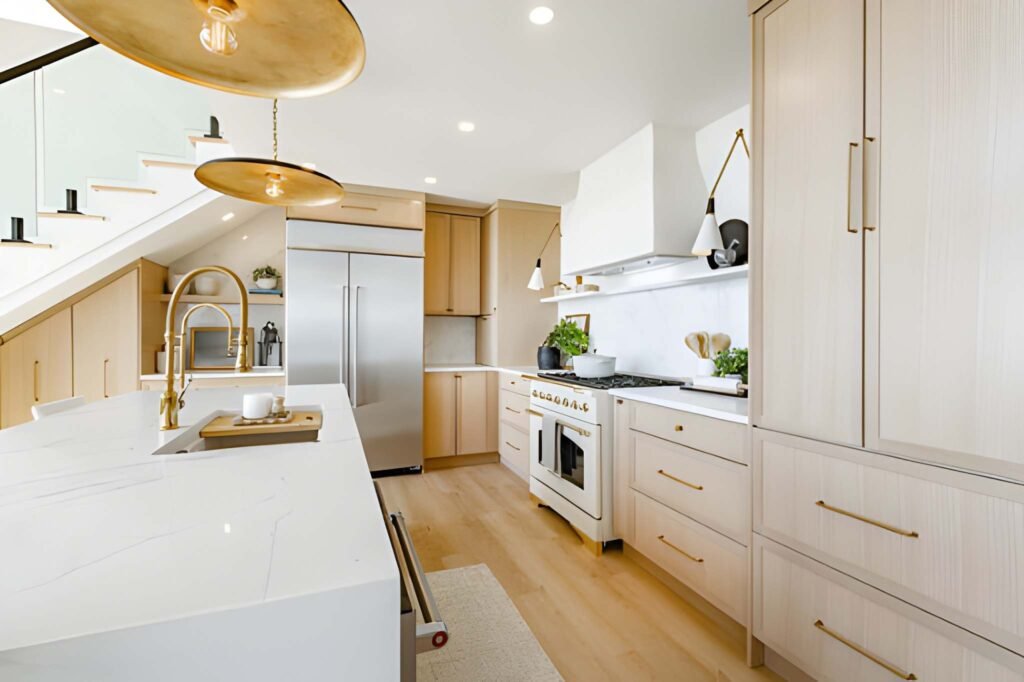
| Space-optimized Kitchen | $8,000 – $18,000 | The kitchen must be fully integrated yet highly functional. Investment flows into custom or semi-custom cabinetry that reaches the ceiling, integrated appliances, and a durable, space-defining countertop that can double as a dining bar. |
| Efficient Bathroom Overhaul | $7,000 – $15,000 | A full gut of the bathroom is common. Funds are allocated for a space-saving vanity, a walk-in shower to replace a tub, high-quality waterproofing and tile, and clever storage solutions like a recessed medicine cabinet or niche. |
| Unifying Flooring & Lighting | $3,000 – $6,000 | A single, continuous flooring material (e.g., wide-plank LVP or engineered wood) visually expands the space. The lighting budget covers a layered plan: ambient, task, and accent lighting on separate dimmers to control the mood of each zone. |
| The Custom Built-in Suite | $5,000 – $12,000 | This is the centerpiece of the spatial strategy. It funds a custom platform bed with integrated drawers, a fold-down desk, and floor-to-ceiling storage units that define the sleeping and living areas without solid walls. |
| Paint, Millwork & Finishes | $2,000 – $4,000 | Covers premium paint for walls and ceilings, and potentially simple shiplap or paneling to add texture and depth to key walls without sacrificing space. |
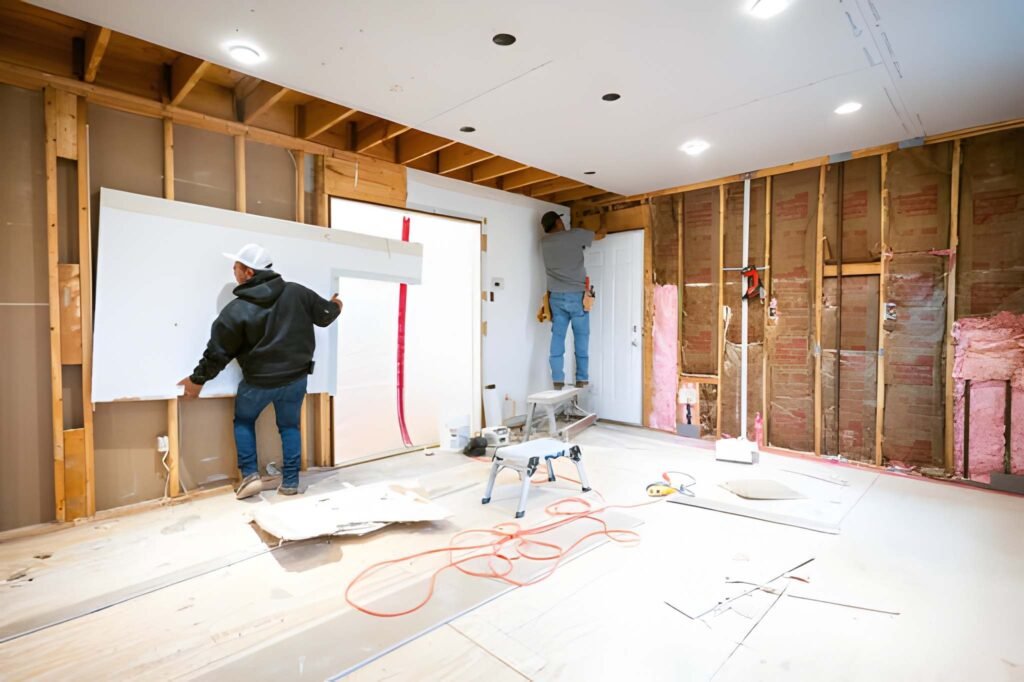
| Professional Labor & GC Fees | $6,000 – $10,000 | Essential for coordinating the dense cluster of trades in a small area. The GC manages the complex sequence of plumbers, electricians, cabinet installers, and tilers in a confined workspace. |
| Permits & Building Fees | $750 – $2,000 | Intown properties often have strict permit requirements and may require specific condo/co-op approval processes, engineering stamps, and associated fees. |
| Contingency (15%) | $3,500 – $8,000 | A non-negotiable buffer. In older intown buildings, opening walls often reveals outdated wiring, plumbing issues, or structural surprises that must be addressed to modern standards. |
| TOTAL ESTIMATE | $35,250 – $75,000+ | Final cost is driven by material quality, level of custom work, and geographic location within the urban core. |
The Pillars of a Successful Studio Transformation
1. The Zone Defense: Defining Space Without Walls
The primary design task is to create clear, functional zones. This is achieved through several non-structural techniques:
- The Platform Bed: Elevating the sleeping area creates a distinct “room,” with the space underneath harnessed for deep storage drawers.
- Furniture as Architecture: A tall, open-backed bookshelf or a floor-to-ceiling storage cabinet can act as a visual room divider, separating the living area from the sleeping nook while allowing light to pass through.
- Material and Level Changes: Using a different area rug to define the living zone, or a change in flooring direction from the kitchen to the living area, can subtly signal a transition in space.
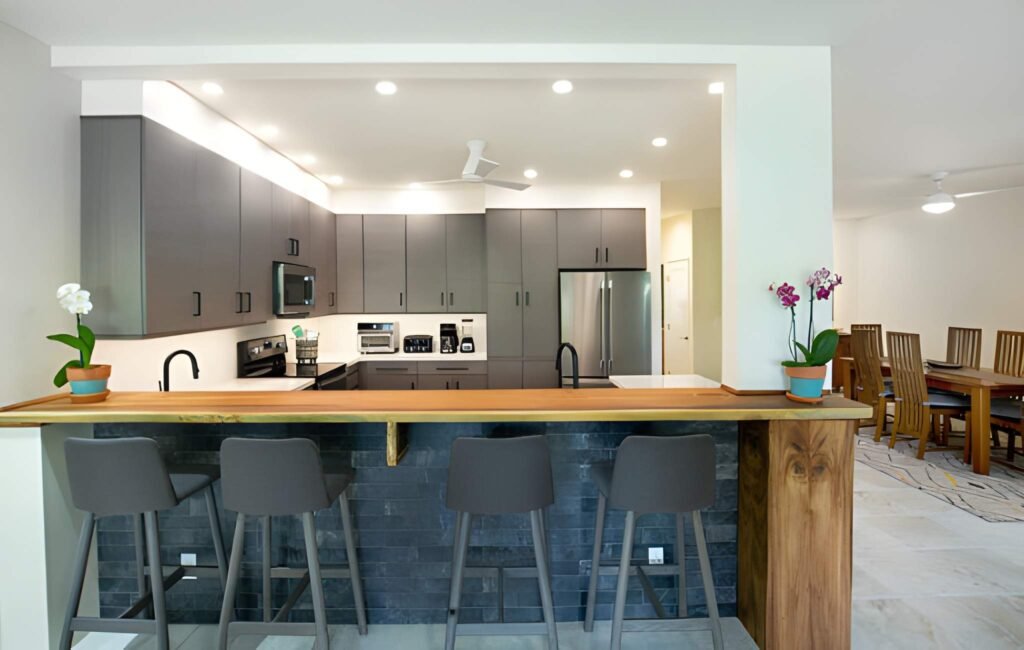
- The Galley Kitchen “Wall”: A well-designed galley kitchen, with upper and lower cabinets, naturally forms one boundary of the living space, effectively acting as one “wall” of the living room.
2. The Vertical Frontier: Storage to the Ceiling
In a studio, vertical space is the most underutilized asset. The renovation must aggressively claim this territory.
- Full-Height Cabinetry: Kitchen cabinets should extend to the ceiling, eliminating dust-collecting gaps and maximizing storage. This same principle applies to any custom built-ins in the living area.
- High Shelving: Installing sleek, open shelving high on the walls, near the ceiling, provides display space for books and decor without encroaching on the living area below.
- Mounted Everything: Televisions, lights, and even nightstands (via wall-mounted shelves) are lifted off the floor, creating a cleaner sightline and making the space feel larger.
3. The Cohesive Material Palette: A Unifying Vision
A studio renovation demands visual harmony. A chaotic mix of colors, materials, and styles will visually shatter the limited space.
- A Monochromatic Base: Using a light, neutral color for walls, millwork, and major furniture creates a serene, expansive backdrop. Color and personality are introduced through easily changeable accessories like art, pillows, and rugs.
- Continuous Flooring: The same flooring should run throughout the entire studio, from the entry to the far wall. This uninterrupted flow is one of the most powerful tools for making a small space feel larger.
- Reflective Surfaces: Large mirrors, high-gloss kitchen cabinets, and glass tabletops bounce light around the room, enhancing brightness and the perception of depth.
4. The Integrated, High-Performance Kitchen
The studio kitchen cannot be an afterthought; it is a central feature. The design must prioritize both form and function.
- Appliance Integration: A panel-ready dishwasher and a refrigerator integrated behind cabinet panels prevent the visual clutter of disparate appliances.
- The Multi-Functional Island/Bar: If space allows, a peninsula or small island can provide crucial counter space, additional storage, and a dining surface for two, all while helping to zone the kitchen from the living area.
- Streamlined Details: A single-bowl undermount sink, a sleek faucet, and handle-less cabinet doors contribute to a clean, uncluttered aesthetic.
A fully renovated intown studio is the ultimate exercise in efficient, intelligent design. It proves that constraint can be the mother of creativity. By prioritizing a cohesive aesthetic, implementing clever zoning strategies, and exploiting every cubic foot of volume, the transformed studio becomes more than just a place to live—it becomes a highly personalized, functional, and surprisingly spacious sanctuary in the heart of the city. The investment goes beyond materials and labor; it is an investment in a sophisticated urban lifestyle.