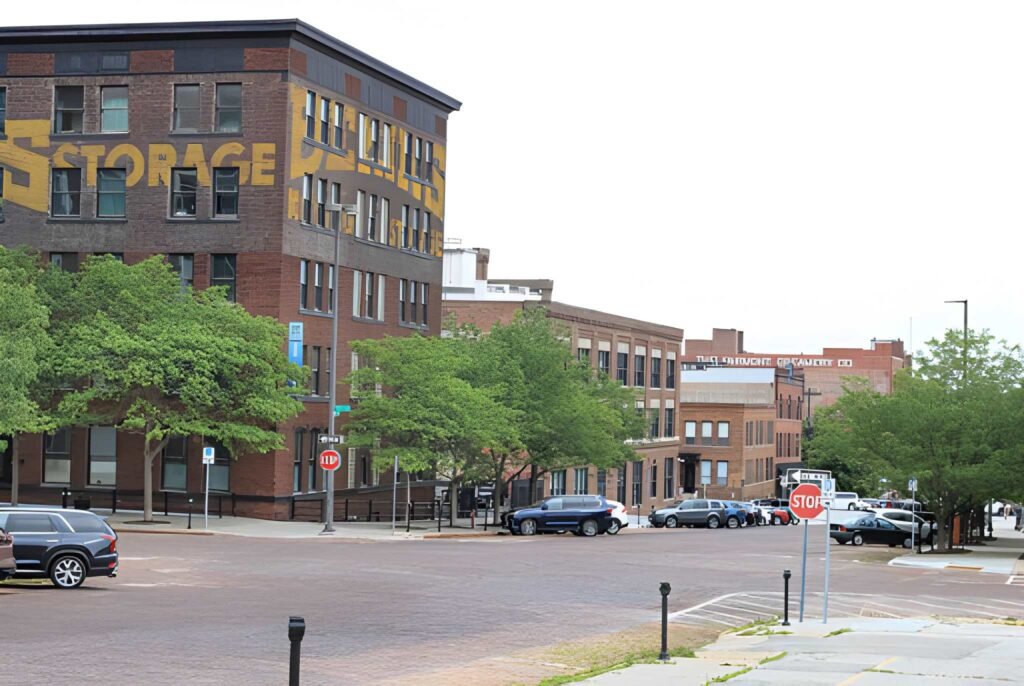
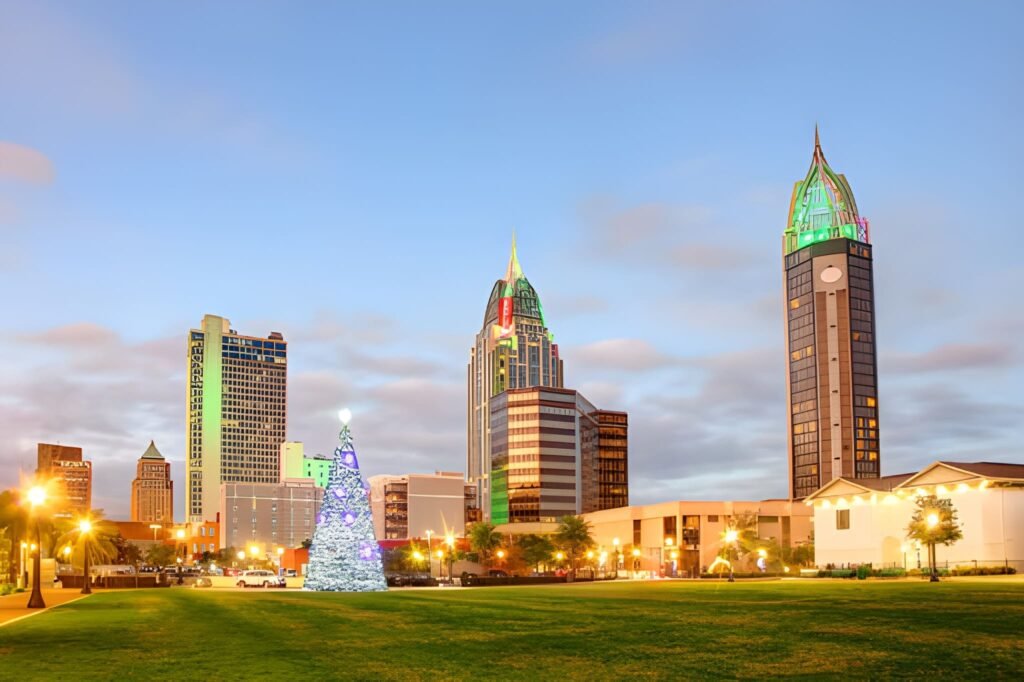
In Mobile, a city where history permeates the brickwork and a new sense of momentum is palpable, a 2,000 square foot retail space represents more than just a place of business. It is a potential anchor, a community touchstone, and a testament to the city’s evolving commercial spirit. This is not a size for a national chain megastore; it is the perfect scale for a homegrown enterprise to establish a significant presence. The success of a venture in this footprint hinges on a deep understanding of Mobile’s unique economic currents, its distinct neighborhoods, and the specific opportunity to serve a community that values authenticity, tradition, and a growing appetite for new experiences. The entrepreneur must navigate a landscape defined by the historic charm of downtown, the steady bustle of the Midtown corridor, and the sprawling suburban growth of West Mobile, each demanding a different strategic approach.
The first and most critical decision is location, as the character of the neighborhood will dictate the viable business model. In Downtown Mobile, a 2,000 square foot space offers a chance to be part of the city’s architectural and cultural renaissance. A space on Dauphin Street or in the De Tonti Square district provides high visibility to tourists exploring the historic district, patrons of the burgeoning arts scene, and a growing residential population. Here, the concept must be an experience-driven destination. The trade-off involves often higher rents and the potential challenges of an older building, with considerations for historic preservation guidelines. This environment is ideal for a business that leverages the ambiance and foot traffic, becoming a reason for people to come downtown.
Shift north to Midtown, and the strategy changes. This area is the commercial and cultural heart of established Mobile neighborhoods, characterized by a mix of local institutions and vacant properties ripe for revitalization. A 2,000 square foot space on a corridor like Airport Boulevard or Government Street serves a dedicated local population. The demand here is for daily necessities and community-focused services. The opportunity lies in offering a modern, elevated version of a classic convenience. The success in Midtown is built on becoming a reliable, high-quality resource for the people who live and work in the surrounding blocks every single day.
In the sprawling, car-centric landscape of West Mobile, the game changes again. Here, a 2,000 square foot space is likely part of a larger shopping center, dependent on the anchor tenants to draw traffic. The business must be a complementary service or a quick, compelling stop for shoppers already running errands. Visibility from a major road like Schillinger Road or Airport Boulevard and ample, easy parking are non-negotiable. The concept must have broad appeal and function efficiently for a customer who may not be seeking a prolonged, exploratory shopping experience.
Given these geographic realities, several business concepts emerge as particularly strong fits for a 2,000 square foot space in Mobile. One powerful idea is a modern Southern apothecary and gourmet market. This concept would honor Gulf Coast traditions while appealing to contemporary tastes. The space would be divided into distinct zones. One area would feature shelves of artisanal goods from across the region: small-batch preserves, local honey, Stone Hollow creamery cheeses, and Dry County soda. Another section would be dedicated to wellness, with a focus on self-care products relevant to the climate: natural bug sprays, aloe-based skincare, and herbal teas. A central, beautiful table could display fresh, seasonal produce from nearby farms. This business would become a curated celebration of Southern and Alabamian makers, a one-stop shop for thoughtful gifts and quality pantry staples that you cannot find in a supermarket.
Another concept tailored to Mobile’s social and family-oriented culture is a dedicated craft brewery and taproom. While 2,000 square feet is compact for a full production facility, it is an ideal size for a nano-brewery with a focused taproom. The layout would allocate roughly 1,200 square feet to the brewing equipment, cold storage, and back-of-house functions. The remaining 800 square feet would be a welcoming, air-conditioned taproom with a long bar, high-top tables, and perhaps a small retail area for branded merchandise. The focus would be on a rotating selection of 6-8 core and experimental beers, with a strong emphasis on creating a community hub. By partnering with local food trucks to park outside, the taproom can offer food without the space and cost of a kitchen. This model taps directly into the city’s growing enthusiasm for local craft beer and provides a regular, social destination for locals.
For a more family-focused venture, a creative studio and workshop space could fill a significant gap in the market. This would not be a simple art supply store, but a dynamic space that offers guided creativity. The floor plan would include a large, open workshop area with durable tables, easels, and storage for supplies, accounting for about 1,200 square feet. The remaining space would function as a retail front, selling curated art supplies, craft kits, and finished pieces from local artists. The primary revenue driver would be scheduled classes and workshops: weekly painting sessions, pottery classes (using a mobile kiln service), summer art camps for children, and private party rentals for birthdays and corporate events. This business model builds a recurring revenue stream through classes and fosters a loyal community of creatives.
The following table outlines the core value proposition for these concepts in the Mobile context:
| Concept | Primary Customer Base | Key Differentiator | Community Role |
|---|---|---|---|
| Southern Apothecary & Market | Food-conscious locals, gift shoppers, tourists. | Curated, hyper-local product selection you can’t find elsewhere. | The authentic taste-of-place destination. |
| Nano-Brewery Taproom | Young professionals, craft beer enthusiasts, social groups. | A hyper-local brewery experience and community gathering spot. | The modern, adult social anchor. |
| Creative Studio & Workshop | Families, hobbyists, date-night couples, corporate teams. | Provides the experience and guidance, not just the supplies. | The hands-on creativity and enrichment hub. |
The financial and operational execution must be tailored to the Mobile market. Construction and build-out costs, while lower than in major metropolitan areas, still require careful planning. A tenant improvement allowance from a landlord may be modest, necessitating a lean and efficient build-out. Marketing must be deeply local, leveraging partnerships with other businesses, engagement with community groups like the Mobile Baykeepers, and a strong presence in local media. The business must project an image that is both proud of its Mobile roots and aspirational in its quality.
A 2,000 square foot retail space in Mobile, Alabama, is a canvas for a business that understands its role within the community. It is an opportunity to build an enterprise that is both commercially viable and culturally significant. The winning venture will be one that respects the city’s deep traditions while confidently introducing something new and needed. It will be a place that makes Mobilians proud to say, “This is my local spot.” In a city poised between its storied past and its promising future, a 2,000 square foot space offers the room to plant a flag and help define what comes next.