The world of interior design is a rich tapestry of philosophies, histories, and visual languages. Understanding these core styles is the first step in articulating a personal aesthetic and creating a cohesive, intentional space. Each style is defined by a set of principles governing color, form, material, and texture.
1. Minimalism
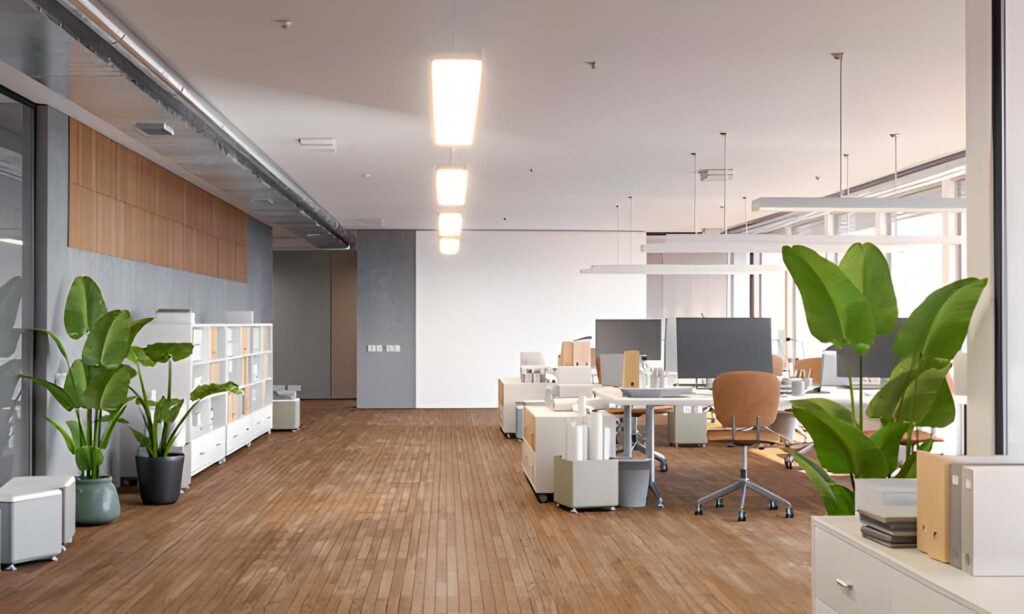
Born from the modernist movement, Minimalism is a philosophy of “less is more.” It is defined by extreme simplicity, a neutral and monochromatic color palette (think whites, grays, and beiges), and a rigorous editing of possessions. The focus is on clean lines, open and uncluttered spaces, and the intrinsic beauty of a few, well-chosen objects. Furniture is functional and often has a sculptural quality. The effect is serene, orderly, and visually expansive, emphasizing space and light over things.
2. Mid-Century Modern
This style, iconic from the 1940s to 1960s, celebrates organic forms, functionality, and a connection with nature. Characterized by clean lines, gentle organic curves, and a lack of ornamentation, it features furniture with tapered legs and warm, natural materials like teak, rosewood, and walnut. Color palettes are often earthy (mustard, olive, orange) paired with neutrals. The style seamlessly blends indoor and outdoor spaces with large windows and brings nature in through the use of wood and stone.
3. Industrial
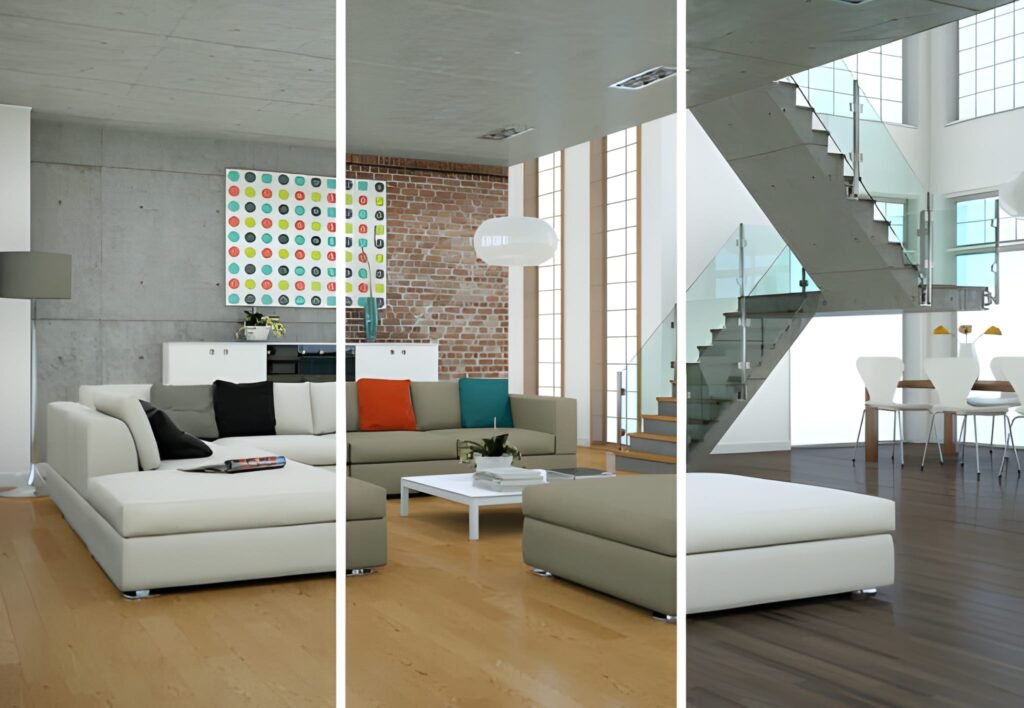
Inspired by converted warehouses and lofts, the Industrial style finds beauty in raw, unfinished elements. It embraces a “bones exposed” aesthetic, featuring brick walls, ductwork, concrete floors, and visible steel beams and pipes. The color scheme is typically a neutral palette of gray, black, and brown. Furniture is often repurposed or made from raw materials like distressed leather and metal. Lighting is a key feature, with vintage or replica factory pendants and Edison bulbs. The overall feel is utilitarian, edgy, and masculine.
4. Scandinavian
Rooted in the Nordic countries, this style prioritizes functionality, simplicity, and well-being. Its core principle is “hygge”—creating a cozy, comfortable atmosphere. It uses a light, airy color palette (whites, grays, light woods) to maximize light during dark winters. Furniture is sleek and functional, with clean lines and often made from light-toned woods like beech and ash. Textures are key for warmth: think sheepskins, chunky knit throws, and natural rugs. The space feels bright, calm, and inviting.
5. Bohemian (Boho)
The Bohemian style is a free-spirited, personal, and layered aesthetic. It rejects rigid rules in favor of a globally-inspired, collected look. The palette is rich and vibrant, drawing from jewel tones like deep purples, reds, and golds. Patterns are mixed eclectically—kilims, ikats, and paisleys coexist. Furnishings are often low-level, like floor pillows and Moroccan poufs, encouraging a relaxed atmosphere. The space is filled with plants, art, books, and travel souvenirs, telling the story of the occupant’s life and passions.
6. Traditional
Drawing from European classicism (18th and 19th century), Traditional design is characterized by elegance, order, and symmetry. It features rich, dark woods like mahogany and cherry, ornate detailing, and classic motifs. Furniture is often substantial and features curved lines, cabriole legs, and intricate carvings. The color palette is deep and warm, with jewel tones or muted neutrals. Accessories are formal, including crystal chandeliers, gilded mirrors, and silk draperies. The overall impression is one of timeless, dignified comfort.
7. Modern Farmhouse
A contemporary evolution of rustic style, Modern Farmhouse blends the cozy, welcoming feel of a farmhouse with the clean lines of modern design. The palette is neutral and soothing, dominated by whites, beiges, and grays. The key is in the materials: shiplap walls, large farmhouse sinks, reclaimed wood tables, and black metal accents (especially in lighting). Furniture is a mix of comfortable, slipcovered sofas and rustic wood pieces. The style feels warm, family-friendly, and unpretentious.
8. Coastal
This style aims to create a relaxed, breezy, and light-filled retreat reminiscent of the seaside. The color palette is drawn from the beach: shades of white, sand, blue, and seafoam green. Materials are natural and light, including bleached woods, rattan, jute, and linen. Accessories incorporate nautical elements like ropes, shells, and coral, but in a subtle, sophisticated way rather than themed. The overall effect is calm, airy, and restorative.
9. Art Deco
Glamorous, luxurious, and bold, Art Deco originated in the 1920s and 1930s. It is defined by geometric shapes, zigzags, sunburst motifs, and sleek, streamlined forms. The style uses rich materials like lacquer, mirrored surfaces, chrome, glass, and exotic woods. Color palettes are often high-contrast, combining black, white, and chrome with bold accents of jewel tones. Furniture is statement-making, with glossy finishes and luxurious upholstery like velvet. The feel is opulent, dramatic, and theatrical.
10. Transitional
Perhaps the most popular contemporary style, Transitional is a masterful blend of Traditional and Modern. It strikes a perfect balance, marrying the clean, scaled-back lines of modern design with the classic, comfortable feel of traditional furniture. The color palette is typically neutral, creating a serene backdrop. It avoids the ornate detailing of pure Traditional and the starkness of pure Modern. The result is a timeless, sophisticated, and highly livable space that feels both curated and comfortable.
Table: A Quick-Reference Style Guide
| Style | Key Colors | Signature Materials | Defining Furniture |
|---|---|---|---|
| Minimalism | White, Gray, Beige | Glass, Steel, Concrete | Low-profile, functional, built-in |
| Mid-Century Modern | Olive, Mustard, Teal | Teak, Plastic, Fiberglass | Tapered legs, organic shapes |
| Industrial | Gray, Black, Brown | Reclaimed Wood, Metal, Brick | Repurposed, utilitarian, metal frames |
| Scandinavian | White, Light Gray, Pastels | Light Wood, Wool, Linen | Sleek, light-toned wood, modular |
| Bohemian | Jewel Tones, Earth Tones | Woven Textiles, Wood, Plants | Low-slung, floor pillows, global pieces |
| Traditional | Burgundy, Navy, Cream | Mahogany, Silk, Velvet | Ornate, curved, upholstered |
| Modern Farmhouse | White, Beige, Gray | Shiplap, Reclaimed Wood, Galvanized Metal | Comfortable, slipcovered, rustic |
| Coastal | White, Sand, Blue | Rattan, Jute, Driftwood | Lightweight, weathered, wicker |
| Art Deco | Black, White, Jewel Tones | Lacquer, Chrome, Mirrored Glass | Glossy, geometric, streamlined |
| Transitional | Neutral Tones | Mixed (Wood, Metal, Upholstery) | Clean-lined yet soft and comfortable |