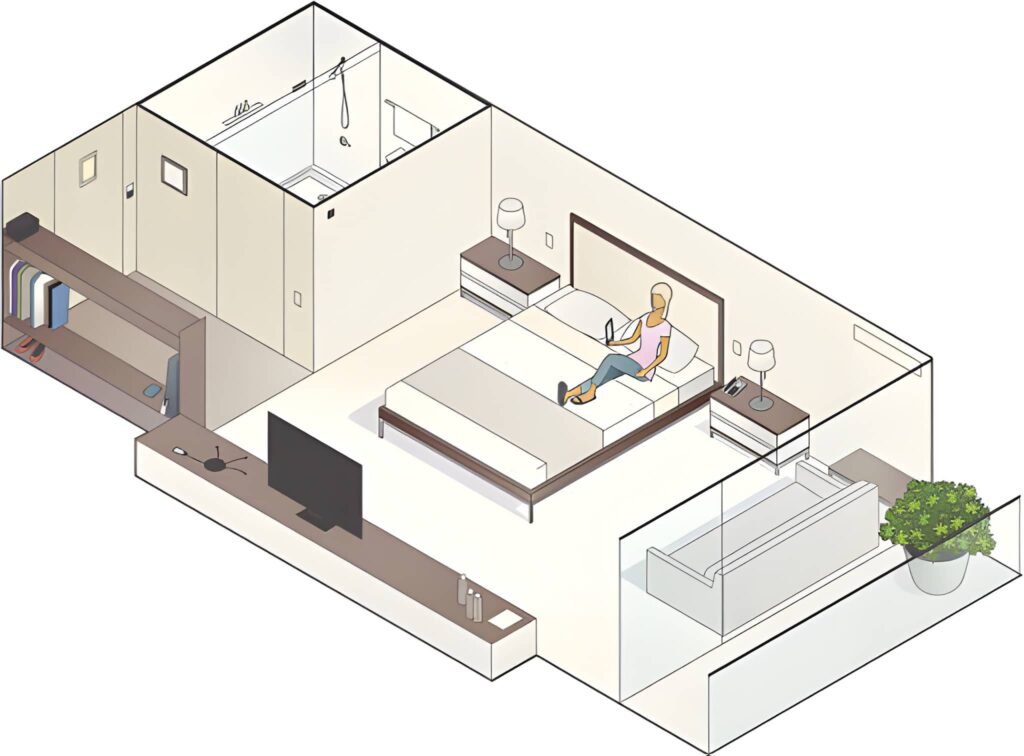

In the world of interior design and space planning, the 1/4-inch scale template packet is not a mere collection of stencils; it is a fundamental language tool. This specific scale, where one-quarter of an inch on a drawing equals one foot in real life, is the industry standard for floor plans, furniture layouts, and interior architectural drawings. The template packet, typically a rotating disc or a flat sheet of precision-cut plastic stencils, provides the designer with a library of standardized symbols to quickly and accurately represent the three-dimensional world in a two-dimensional plan view. Its use is a mark of professional practice, bridging the gap between creative vision, technical execution, and clear client communication.
The primary function of the template is to enforce scale and proportionality. In a 1/4″ scale drawing, a standard 36-inch door is represented by a 3/4-inch symbol. A 60-inch round dining table is a perfect 1-1/4 inch circle. This rigorous consistency is what separates a professional plan from a vague sketch. It allows a designer to test a layout with the absolute certainty that the elements will fit in the physical space. The template prevents the common and costly error of designing a room on paper that cannot accommodate the furniture in reality. By using these scaled symbols, a designer can confidently plan clearances for walkways, door swings, and functional use areas, ensuring the space is not only beautiful but also ergonomically sound and compliant with building codes, such as those for accessible design.
A comprehensive template packet is a catalog of the built environment. It contains a vast array of symbols, categorized for efficiency. The most frequently used are the furniture templates: outlines for sofas, armchairs, beds, tables, and desks, all rendered at the correct 1/4″ scale. Beyond furniture, the packet includes architectural symbols for plumbing fixtures (toilets, sinks, bathtubs), kitchen appliances (ranges, refrigerators, dishwashers), and lighting elements. It also features graphic standards for indicating doors (showing their swing arc), windows, and stairs. This allows a designer to produce a complete and intelligible floor plan that can be read by anyone in the construction and design trades, from architects and contractors to cabinet makers and upholsterers. This universal language eliminates ambiguity and ensures that the entire project team is working from the same set of spatial assumptions.
From Concept to Client Presentation
The utility of the template packet extends throughout the design process. In the initial schematic design phase, a designer will use the templates to quickly trace multiple layout options directly onto tracing paper over a base plan. This rapid iteration is crucial for exploring the full range of possibilities for a room’s configuration. The tactile nature of tracing with a physical tool can often lead to more intuitive and creative solutions than initially working in digital software.
When presenting to a client, a hand-drawn plan created with templates carries a distinct authority and clarity. While digital renderings can be impressive, a clean, precise, hand-drawn plan is immediately understandable. Clients can visualize their space without being distracted by textures or colors. The designer can lay a sheet of vellum over the plan and sketch alterations in real-time during a meeting, using the templates to ensure any proposed changes are still to scale. This interactive process demystifies the design for the client and fosters a collaborative atmosphere. The template-drawn plan becomes the definitive record of the agreed-upon layout before any purchases are made or construction begins, serving as a crucial contractual document.
Table: Anatomy of a 1/4-Inch Scale Template Packet
| Template Category | Common Symbols Included | Purpose in a Floor Plan |
|---|---|---|
| Furniture | Sofas, armchairs, beds, dining tables, desks, bookcases. | To plan the functional layout, traffic flow, and spatial relationships of furnishings. |
| Kitchen & Bath | Toilets, sinks, bathtubs, showers, refrigerators, ranges, dishwashers. | To design the “working” cores of the home, ensuring appliance placement and clearances are practical. |
| Architectural | Doors (with swing), windows, stairs, electrical outlets, light switches. | To document the existing structure and plan for new architectural elements. |
| Annotation & Graphic Standards | North arrows, scale indicators, section markers, title blocks. | To provide professional context and ensure the drawing is a complete, standalone document. |
The Digital Context and Enduring Value
In an era dominated by powerful Computer-Aided Design (CAD) and Building Information Modeling (BIM) software, the physical template packet retains its vital role. For many designers, it remains the fastest tool for conceptual brainstorming. Furthermore, it serves as an essential teaching tool in design schools, grounding students in the fundamental principles of scale and proportion before they move to digital platforms. Understanding the logic behind the 1/4-inch scale is a prerequisite for effectively using any digital design program, which ultimately operates on the same scalar principles.
In conclusion, the 1/4-inch scale interior design template packet is a testament to the marriage of art and precision that defines the profession. It is a tool of rigor that prevents costly errors, a language that ensures clear communication across disciplines, and a catalyst for creativity that allows designers to rapidly explore the possibilities of a space. It embodies the principle that successful interior design is not just about selecting beautiful objects, but about orchestrating them within a precisely measured and thoughtfully considered framework. It remains an indispensable instrument in the designer’s toolkit, a physical key to unlocking the potential of any interior environment.