Structural Threat: Repair Costs for Tree Root Foundation Damage
A guide to the complex engineering and significant investment required to fix foundations compromised by invasive tree root systems.
Table of Contents
How Roots Damage Foundations and Pipes
Tree roots cause structural damage in two distinct ways: indirectly by altering soil moisture content (soil subsidence) and directly by physical invasion and compression. This problem is particularly acute near mature, high-water-demand trees like oaks, maples, and sycamores, which can have root systems spreading fifty feet or more.
Soil Subsidence and Heave
The most common indirect cause is the tree roots acting as giant sponges, drawing moisture out of the expansive clay soil that supports the foundation. This desiccation causes the soil to shrink and compact, leading the foundation or slab to settle unevenly (subsidence). Conversely, if roots are removed, the soil swells with moisture (heave), causing upward pressure. Both actions result in differential settlement, cracking the slab or foundation walls.
Pipe and Slab Intrusion
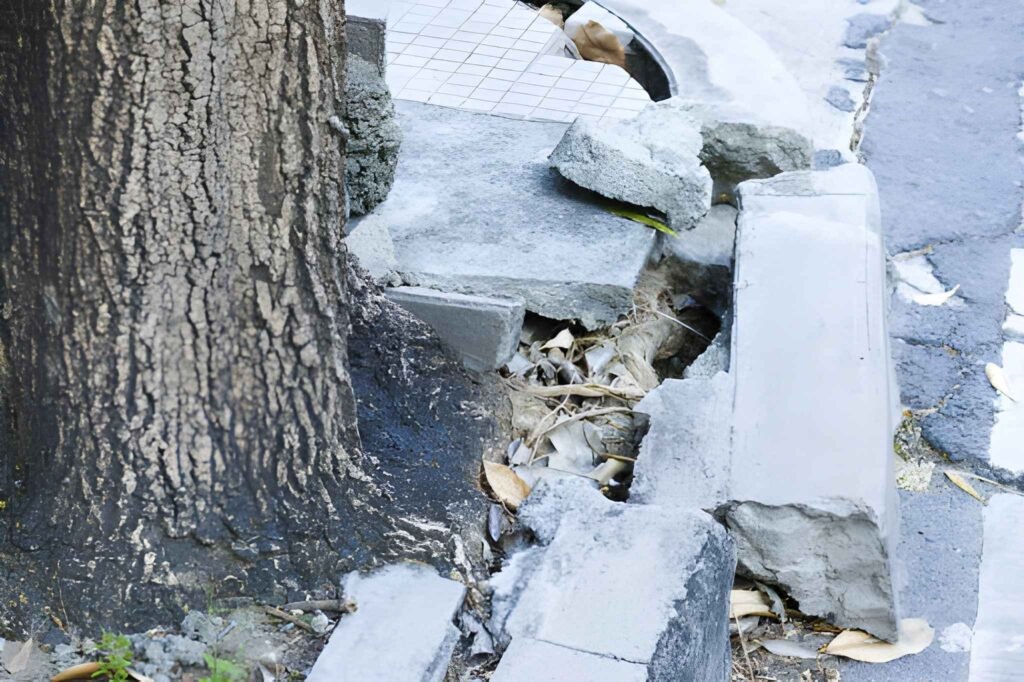
Roots actively seek moisture. They are naturally drawn to the consistently damp environment of underground utility lines. Even hairline cracks in concrete sewer pipes or water lines provide enough moisture for roots to penetrate, eventually leading to blockages or sudden pipe bursts. Direct root pressure against a concrete slab can also cause lifting and cracking, resulting in visible damage inside the home like sloping floors and sticking doors.
Phase 1: Diagnosis and Root Mitigation Costs
The first step is diagnosis, which involves specialized personnel and non-invasive methods, followed by permanent root mitigation.
Diagnostic Expenses (H3)
| Service | Average US Cost Range | Purpose |
|---|---|---|
| Structural Engineer's Report | $500 – $1,500 | Mandatory for severe damage; defines the cause, extent of structural shift, and mandated repair plan. |
| Sewer Camera Inspection | $300 – $600 | Identifies root intrusion in sewer or water lines, often a prerequisite for plumbing coverage. |
| Geotechnical Soil Report | $500 – $3,000 | Analyzes soil composition and moisture levels to determine the deepest point of stable load-bearing strata. |
Root Removal and Barrier Installation
The root system causing the issue must be managed before foundation repair can begin. Simple tree removal is sometimes necessary, while other cases require surgical root management.
Tree and Root Removal Costs
Removing a large, mature tree located immediately adjacent to the foundation often requires surgical cutting and specialized hauling. Root grinding near the structure must be done carefully to avoid further soil disturbance.
- Large Tree Removal (50-80 ft): $800 – $2,000
- Root Barrier Installation: $3,000 – $8,000 (Installing a vertical plastic barrier trenched down several feet to block future root growth).
Phase 2: Foundation Stabilization Costs
Repairing foundation damage caused by roots involves lifting the affected sections back to their maximum practical recovery level and permanently anchoring the structure against future soil movement.
Primary Solution: Piering and Underpinning
Tree root damage typically causes deep, severe settlement that surface-level repairs cannot fix. This requires anchoring the foundation to deep, stable soil layers using piers. The cost is calculated by the number of piers required, which may be higher due to the concentrated damage from the roots.
- Average total cost for underpinning a portion of a slab home due to root damage: **$10,000 to $25,000**.
Secondary Fixes and Sealing
Once the structure is stabilized, ancillary repairs are mandatory to complete the job.
- Epoxy Injection (Minor Cracks): $250 – $800 (Sealing non-structural surface cracks).
- Waterproofing and Drainage: $2,000 – $7,000 (Installing French drains or grading changes to manage moisture, preventing future root attraction).
- Interior Cosmetic Repairs: $1,000 – $5,000 (Repairing internal damage caused by the shift: replacing cracked drywall, resetting sticking doors, patching tile).
Comparing Piering Methods and Price per Pier
The choice of pier material and installation method is critical, influencing both the cost and the effectiveness of the solution against root-induced settlement.
| Pier Type | Cost per Pier (Installed) | Benefit Against Root Damage |
|---|---|---|
| Steel Push Piers | $1,500 – $3,000 | Driven deep (20+ ft) to reach stable soil below root influence. Highly effective for vertical stability. |
| Helical Piers | $2,000 – $4,000 | Screwed into the ground; useful in difficult-to-access areas or where light equipment is mandatory. Galvanized steel resists corrosion. |
| Concrete Piers (Pressed) | $1,000 – $2,500 | Less effective in extreme expansive clay soils as they do not reach deep stable strata. Risk of settling again. |
The Insurance Barrier: Gradual vs. Sudden Damage
Homeowners insurance almost universally **excludes** foundation damage caused by tree roots. This is due to the "gradual damage" and "earth movement" exclusions found in most standard policies.
The Doctrine of Gradual Deterioration
Insurers classify tree root growth and resulting foundation shifting as **preventable maintenance** and **gradual wear and tear**, not a sudden, accidental event. Therefore, the thousands of dollars spent on underpinning the foundation are generally paid for entirely out of pocket.
Exceptions and Plumbing Coverage
The major exception relates to plumbing. If tree roots penetrate and cause a sudden water line or sewer line rupture, the resulting water damage (flooding, water-soaked drywall, mold) may be covered by the standard homeowner's policy. However, the cost of repairing or replacing the broken pipe itself, and the foundation stabilization needed due to the root invasion, are usually excluded.
Preemptive Tree Management is Mandatory
Because foundation damage from roots is excluded from insurance coverage, proactive risk management is the only financial defense. Homeowners must remove high-risk trees planted too close to the house or install root barriers before structural damage begins. Failure to address visible structural shift (like cracks or sloping floors) over time is viewed by insurers as negligence.
Interactive Foundation Repair Cost Estimator
Estimate the cost of stabilization for foundation damage concentrated in a single area by tree roots.
Input Stabilization Scope
Projected Investment Range
Pier Cost per Unit (Average): $2,000
Total Pier Installation: $16,000
Root Management/Contingency: $3,500
TOTAL STRUCTURAL ESTIMATE: $19,500