From Water Damage to Recovery: Volunteers in Flood House Repair and Muck-and-Gut Operations
The immediate aftermath of severe flooding is a race against time. For homeowners, the structural integrity of the house faces a dual threat: water damage followed quickly by relentless mold growth. This period, known in disaster response as the **Muck-and-Gut phase**, is where volunteer organizations provide essential, free labor. These dedicated teams bridge the critical gap between FEMA assessment and the start of formal repairs, helping homeowners stabilize their properties and prepare for the complex rebuilding phase. Understanding the scope of volunteer help—and the limits of their services—is vital for any flood survivor navigating the recovery process.
The Critical Role of Volunteer Organizations in the First 72 Hours
Volunteer organizations often deploy faster than federal agencies, focusing on immediate action that stops further deterioration. Their services are typically provided at **no cost** to the homeowner, alleviating the immense financial pressure of emergency demolition and cleanup.
Scope of Muck-and-Gut Operations:
The primary goal of volunteer teams is to dry out the structure and prevent mold from taking hold, which generally requires removing all saturated, porous materials.
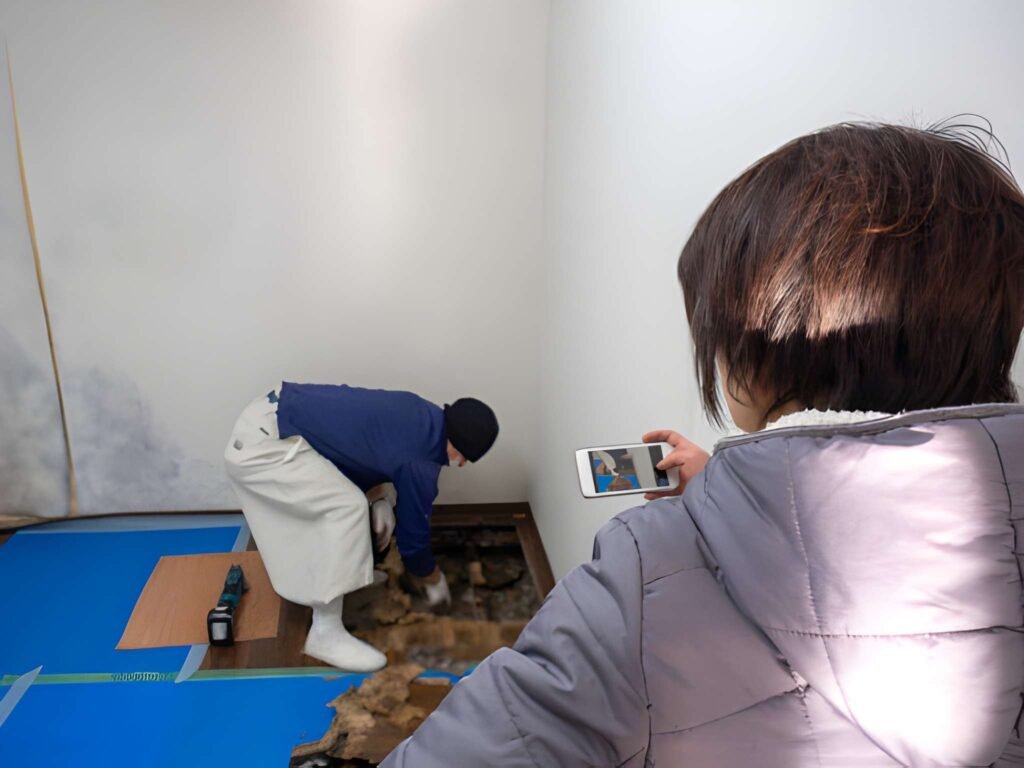
- Demolition and Debris Removal: Tearing out saturated carpets, wet drywall (cutting up to 2 feet above the flood line), and ruined insulation. Volunteers remove damaged personal property and structure debris, often hauling it to the curb for municipal collection.
- Mold Remediation Prep: Spraying exposed wood studs and subfloors with an antimicrobial solution (often a bleach or specialized chemical mixture) to inhibit initial mold spores.
- Structural Exposure: Opening up the walls and sometimes the subfloor to allow air circulation and dehumidification equipment access.
- Salvage Operations: Working with the homeowner to retrieve and clean valuable or sentimental belongings that may be salvageable.
Major Volunteer Organizations Active in Flood Repair
Several large, nationally recognized non-profits form the backbone of the organized volunteer response, often coordinating efforts under the umbrella of **National Voluntary Organizations Active in Disaster (VOAD)**.
| Organization | Primary Focus Area | Service Provided |
|---|---|---|
| Team Rubicon | Immediate response, veteran-led. | High-speed debris removal, chain-saw operations, Muck-and-Gut, and expedient home repairs (free of charge). |
| SBP (St. Bernard Project) | Long-term recovery, rebuilding, and case management. | Focuses on rebuilding damaged homes efficiently (often using Toyota Production System principles) for vulnerable populations (elderly, low-income). |
| Habitat for Humanity | Long-term rebuilding and disaster resilience. | Rebuilds and repairs homes, often offering affordable loans for materials but relying on volunteer labor. They focus on long-term permanence. |
| All Hands and Hearts | Rapid response and long-term rebuilding. | Provides debris removal, Muck-and-Gut, and remains in communities for extended periods for eventual home reconstruction. |
| Samaritan's Purse / UMCOR | Faith-based immediate relief. | Provides immediate Muck-and-Gut, temporary repairs (tarping), and debris removal, often coupling labor with spiritual and emotional care. |
Safety Protocols: Protecting Volunteers and Homeowners
Floodwater contamination introduces numerous hazards, meaning volunteer work must strictly adhere to safety guidelines. Homeowners must ensure the environment is made as safe as possible before teams arrive.
Essential Hazard Mitigation Checklist:
- Electrical Disconnection: The homeowner must **turn off all power** at the main breaker before Muck-and-Gut begins, especially if water reached electrical outlets or the service panel. A licensed electrician must certify the power is safe to restore.
- Biohazards: Floodwater contains sewage, chemicals, and infectious organisms. All work involving mud and contaminated materials requires **Personal Protective Equipment (PPE)**, including N-95 respirators (or P100 masks), rubber gloves, and sturdy waterproof boots.
- Structural Assessment: If the flood damage involves a basement or foundation, a professional engineer should assess the structure for integrity before volunteers are allowed inside. Floors, stairs, and ceilings that have sustained heavy water load are inherently unstable.
- Ventilation: Teams must prioritize ventilation when tearing out wet drywall and insulation to reduce mold spore and dust inhalation.
The Transition to Long-Term Structural Repair
Volunteer organizations excel at the Muck-and-Gut phase, which involves predominantly unskilled demolition. However, the subsequent phase—**rebuilding, wiring, plumbing, and foundation repair**—is complex and usually requires licensed, professional contractors.
Volunteer Limits and Financial Realities:
- Licensing Restrictions: Volunteers are legally restricted from performing licensed trades work (e.g., HVAC installation, new electrical wiring, gas line repair). These repairs must be funded through homeowner insurance, FEMA assistance, or low-interest SBA loans.
- Rebuilding Programs: Organizations like SBP and Habitat for Humanity often transition to the rebuilding phase, but they typically utilize **AmeriCorps members** or highly skilled trade supervisors to manage volunteers performing semi-skilled tasks (framing, drywall hanging) to ensure code compliance.
- Case Management: Many volunteer organizations pair homeowners with **case managers** who help survivors navigate complex insurance claims, FEMA documentation, and appeals, which is a key component of long-term financial recovery.
Interactive: Volunteer Readiness Assessment
If you are a flood survivor, use this tool to determine your property's readiness level for Muck-and-Gut volunteer assistance.
Are You Ready for Volunteer Teams?
The support provided by volunteers is often the single most important factor in preventing total loss after a flood. By understanding the division of labor—**volunteers handle demolition and sanitation; professionals handle licensed trades**—homeowners can efficiently leverage resources, accelerate the drying process, and maximize their chance of achieving full, resilient recovery.