Historic Plaster Repair: Expert Strategies for 100-Year-Old Homes
Preserving the Integrity and Acoustic Quality of Heritage Walls
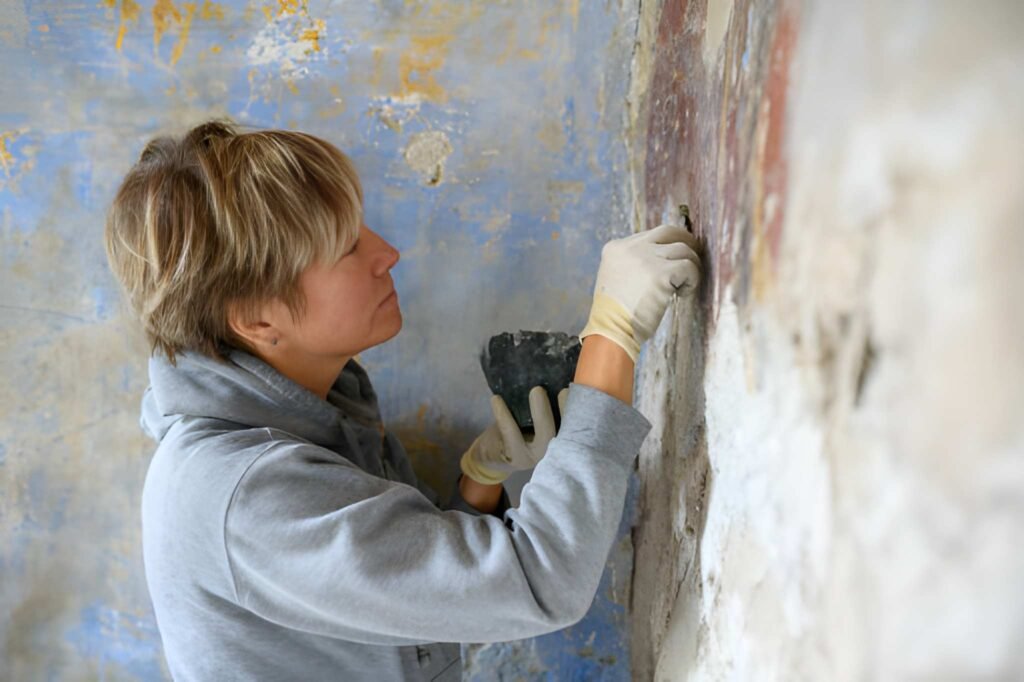
Plaster walls in homes built a century ago possess qualities that modern drywall cannot replicate: superior soundproofing, fire resistance, and inherent structural mass. When failure occurs in these historic surfaces, it requires a measured, informed approach focused on restoration, not replacement. Simply patching or covering plaster damage compromises the home's historic value and often leads to rapid failure of the new repair. The key to successful, long-lasting plaster repair is understanding the original material's composition and the mechanisms of failure.
Contents: Preservation and Repair Roadmap
1. Understanding the Mechanisms of Plaster Failure
Plaster surfaces do not simply age away; they fail for specific, identifiable reasons. In a 100-year-old home, the root cause is rarely the plaster material itself, but rather the failure of the lath structure or external forces.
The Loss of the "Keys"
Traditional plaster consists of three layers: a scratch coat, a brown coat, and a finish coat. The scratch coat is applied directly to the lath (thin strips of wood). As the plaster cures, it oozes through the gaps between the lath strips, forming bulbous, mushroom-shaped anchors known as **keys**. The keys physically hold the plaster wall to the wooden framework.
Primary Causes of Key Failure:
- Vibration and Structural Movement: Consistent, long-term vibration (traffic, nearby construction) or seasonal structural settling causes the plaster keys to gradually snap or shear off the wood lath, leading to loose sections.
- Water Damage: Chronic roof leaks or plumbing failures saturate the lath, causing the wood to swell and shrink. This movement shears the keys and weakens the plaster-lath bond, often resulting in widespread cracking and eventual collapse.
- Wood Lath Deterioration: In areas with persistent moisture or insect activity, the lath itself may decay, leading to an unstable substrate incapable of supporting the heavy plaster load.
2. Essential Diagnosis and Assessment
Before starting repairs, accurately map the damaged and loose areas. Misdiagnosing the stability of the surrounding plaster guarantees the new patch will fail.
The "Sounding" Technique
The simplest and most effective diagnostic tool is a rubber mallet or the butt of a screwdriver. Gently tap the plaster surface in concentric circles moving away from the visible crack or damaged area.
- Solid Sound: A tight, high-pitched, solid sound indicates the plaster is securely attached to the lath.
- Hollow or Drumming Sound: A low-pitched, hollow, or drumming sound signals that the plaster is loose. The keys have failed, and the material is separating from the lath. This loose section requires stabilization before any patching can occur.
Lath Inspection
If a section has fallen out, inspect the lath underneath. Most historic homes use **wood lath**. If the lath is metal (expanded metal lath, or EML), the substrate is inherently more stable. If the wood lath is brittle, decaying, or extensively charred (common near old chimneys), that area requires full replacement, as the substrate cannot hold new keys or mechanical fasteners.
3. Materials: Traditional vs. Modern Composites
The choice of repair material dictates the repair's longevity and compatibility with the original wall.
Lime Plaster versus Gypsum
Original plaster (pre-1930s) is typically a **lime-based mix**. Lime plaster is soft, flexible, and breathable (allowing moisture to pass through without building up). Modern repair plasters often rely on **gypsum**.
| Material | Pros | Repair Use |
|---|---|---|
| Gypsum-Based Compound | Fast setting, readily available, high hardness. | Small crack filling, top coat surfacing. Not ideal for deep filling. |
| Traditional Lime Putty | Matches historic breathability, flexibility, and texture; compatible with original material. | Large-scale restoration, entire replacement sections. Requires longer cure time. |
| Setting-Type Joint Compound (Durabond) | Cures chemically hard, easy to feather, excellent structural strength. | Filling deep holes, anchoring stabilization washers. Excellent utility option. |
4. Reattaching Loose Plaster: The Stabilization Imperative
Repairing loose but intact plaster saves time and preserves the historical profile of the wall. This is achieved by re-anchoring the material to the lath.
The Plaster Washers Technique
This method mechanically fastens the plaster to the lath, compensating for the broken keys. It is the gold standard for saving historic walls.
Stabilization Steps:
- Drill Pilot Holes: Drill small pilot holes through the loose plaster and the lath into the wood framing members in the loose area.
- Apply Adhesive: Inject a high-strength liquid adhesive (often an acrylic binder formulated for plaster repair) into the gap behind the plaster. This material soaks into the lath and the back of the plaster, rebonding the two surfaces.
- Install Washers: Screw large, perforated plastic washers (plaster washers or repair buttons) over the loose area and into the lath/framing. Tighten just until the plaster is snug against the lath, but not so tight that the plaster cracks.
- Cure and Finish: Allow the adhesive to cure fully. Once stable, unscrew the washer centers and skim-coat over the washers using a setting-type joint compound to blend the surface seamlessly.
This process stabilizes the area and eliminates the drumming sound, ensuring the patch and the existing wall move together structurally.
5. Traditional Patching and Restoration Techniques
For areas where the plaster has completely fallen out, multi-layer patching is required to match the depth and strength of the original three-coat system.
Replicating the Three-Coat System
Plaster walls are typically 3/4 to 1 inch thick. A deep patch requires building the thickness back up in layers:
- Scratch Coat: Applied directly to the exposed wood lath. This coat is intentionally rough (scratched with a trowel) to create new, mechanical keys between the lath and the plaster.
- Brown Coat (Leveling): Applied after the scratch coat is set (but not fully cured). This coat fills the remainder of the depth and levels the surface to match the surrounding wall.
- Finish Coat: A thin, fine layer of plaster or gauging compound is applied to create the smooth, final surface texture.
Patching with drywall compound (mud) is strongly discouraged for anything deeper than 1/8 inch, as it lacks the strength, density, and cure characteristics required to match the historic plaster mass.
6. When Replacement is Necessary and How to Proceed
Sometimes, damage is so extensive, particularly in entire rooms or walls compromised by water, that replacement is the only viable option. This is a last resort to preserve the structure's integrity.
Decision Criteria for Replacement
- Decayed or Damaged Lath: If the wood lath is crumbling, moldy, or has extensive pest damage, it cannot reliably support new plaster.
- Total Plaster Failure: If more than 50% of the wall surface is loose and requires re-anchoring, the cost and labor often exceed that of complete replacement.
- Structural Modifications: If new electrical wiring, HVAC ductwork, or extensive framing modifications are required, removal of the plaster may be necessary for access.
Replacement with Modern Materials
If replacing with drywall, use **blue board** (plaster baseboard) and skim coat it with veneer plaster. This modern system provides a finish that visually and texturally resembles traditional plaster far more accurately than standard drywall joint compound.