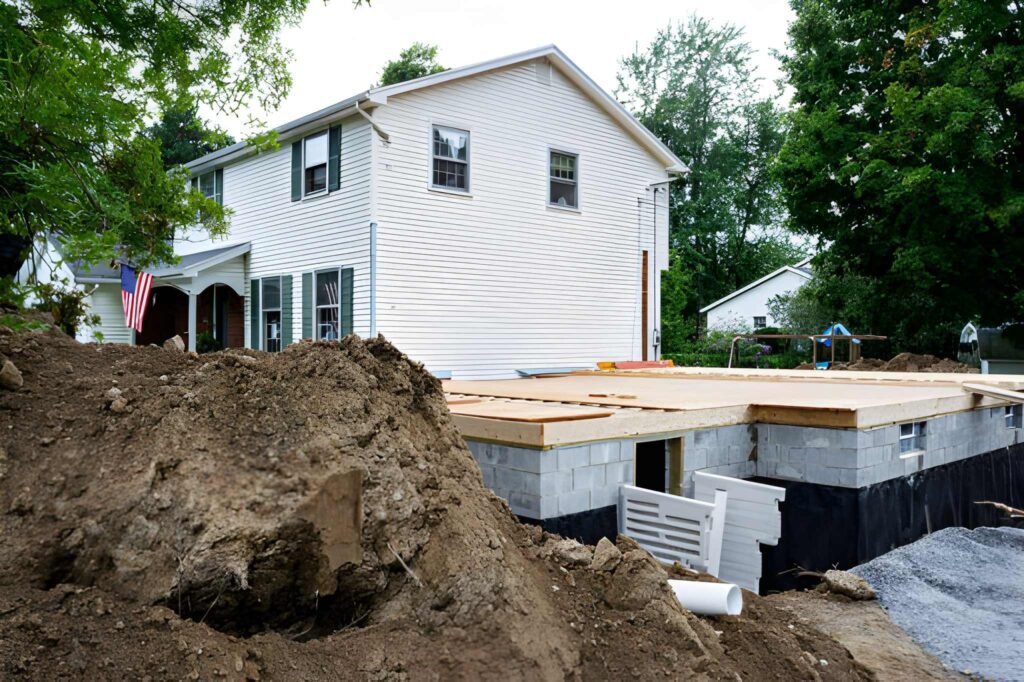

Bank repo houses, more formally known as Real Estate Owned (REO) properties, represent a distinct and often complex segment of the real estate market. These are properties that have been foreclosed upon and failed to sell at a public auction, resulting in the lender—typically a bank, government agency, or mortgage company—taking full ownership. While they can offer the potential for significant value, purchasing an REO property is not a simple bargain hunt; it is a strategic process that requires specialized knowledge, patience, and a clear-eyed assessment of risk versus reward.
The Anatomy of an REO Property: From Default to Acquisition
Understanding the REO lifecycle is crucial to understanding what you are buying.
- Pre-Foreclosure: The homeowner defaults on their mortgage. The lender files a public default notice.
- Foreclosure Auction: The property is sold at a public auction, often on the courthouse steps. The opening bid is usually the outstanding loan balance plus fees.
- REO Status: If there are no acceptable bids at the auction, the property reverts to the lender, who then lists it for sale on the open market through a real estate broker who specializes in REO listings.
The Allure and The Reality: Weighing the Pros and Cons
The Potential Advantages (The “Pro”):
- Below-Market Pricing: Lenders are not in the business of owning real estate; they are in the business of lending money. Their primary goal is to liquidate the asset to recoup their losses quickly. This can lead to aggressive, below-market pricing.
- Clear Title: Once a property becomes an REO, the lender typically conducts a legal process to clear any junior liens (e.g., second mortgages, mechanic’s liens, HOA fees) from the title. The buyer receives an insurable title, which is a significant advantage over buying at a foreclosure auction.
- Financing Ease: REO properties can be purchased with standard mortgage products (FHA, VA, Conventional), unlike auction properties that often require cash.
- Known Sale Price: Unlike a short sale, the bank has a set price and the authority to accept an offer, leading to a more predictable and often faster closing process.
The Inherent Risks and Challenges (The “Con”):
- Sold “As-Is”: This is the most critical concept to grasp. The bank has never lived in the property and will make zero repairs. You are buying the property in its exact current condition, which can range from “move-in ready” to “complete gut job.”
- Deferred Maintenance and Damage: Many REO properties have been vacant for months or years. Former owners facing foreclosure often neglect maintenance or may have intentionally damaged the property (“strategic default” damage). Common issues include:
- Mold and pest infestations.
- Neglected roofs and HVAC systems.
- Plumbing and electrical systems that have been compromised.
- Missing appliances, copper piping, and fixtures.
- Bureaucratic and Slow Process: You are negotiating with a large financial institution, not an individual. This can mean slow response times, rigid procedures, and layers of corporate approval required for even minor concessions.
- Competition with Investors: Well-priced REOs in decent condition often attract multiple offers from both owner-occupants and well-capitalized investors who can pay cash and close quickly.
The Strategic Purchasing Process
Success in the REO market requires a disciplined, professional approach.
1. Secure Specialized Representation.
Do not approach the bank directly. Hire a real estate agent with proven REO experience. These agents understand the specific paperwork, timelines, and negotiation protocols of different banks (e.g., Fannie Mae, Freddie Mac, HUD). Their expertise is invaluable.
2. Conduct Extreme Due Diligence.
Your inspection contingencies are your only protection.
- Professional Home Inspection: Hire the most thorough inspector you can find. Assume there are hidden problems.
- Specialized Inspections: Based on the initial inspection, immediately schedule further inspections for sewer scope, mold, roof, and structure. The “as-is” clause means you must discover every issue before you waive your contingencies.
- Budget for Repairs: Obtain contractor quotes for all necessary repairs before finalizing your offer. Your offer price should be the list price minus the estimated cost of repairs, plus a contingency for unforeseen issues.
3. Craft a Strong, Clean Offer.
Banks evaluate offers based on certainty of closure, not just price.
- Get Pre-Approved, Not Pre-Qualified: A solid pre-approval from a reputable lender signals you are a serious, financeable buyer.
- Minimize Contingencies: While you must keep your inspection contingency, avoid asking for non-essential seller concessions. A clean offer with a strong earnest money deposit is more attractive than a higher-priced offer with numerous hurdles.
- Be Patient and Persistent: The bank may not respond for days or weeks. They may issue a counter-offer to multiple parties, creating a “best and final” scenario.
A Realistic Financial Scenario
Consider a market-rate home in good condition: $400,000.
A comparable REO property is listed at: $340,000.
The “As-Is” Reality:
- Inspection reveals the need for a new roof ($15,000), HVAC system ($8,000), and miscellaneous repairs ($5,000).
- Total Estimated Repair Cost: $28,000
True Investment: $340,000 (Purchase Price) + $28,000 (Repairs) = $368,000.
In this scenario, the buyer has secured a net equity position of approximately $32,000 upon completion of repairs, representing both the reward and the risk undertaken.
Bank repo houses are a viable path to homeownership and investment, but they are a game of arbitrage: you are exchanging a lower purchase price for the assumption of significant risk, repair costs, and bureaucratic hassle. Success is not found in the listing price alone, but in the disciplined execution of a strategy that includes expert representation, exhaustive inspections, and a financial plan that fully accounts for the true cost of making the property habitable. For the informed, patient, and well-advised buyer, REO properties can be a powerful tool for building wealth, but they are unequivocally not a shortcut.