Exterior Durability: Aluminum Trim Repair, Restoration, and Curb Appeal
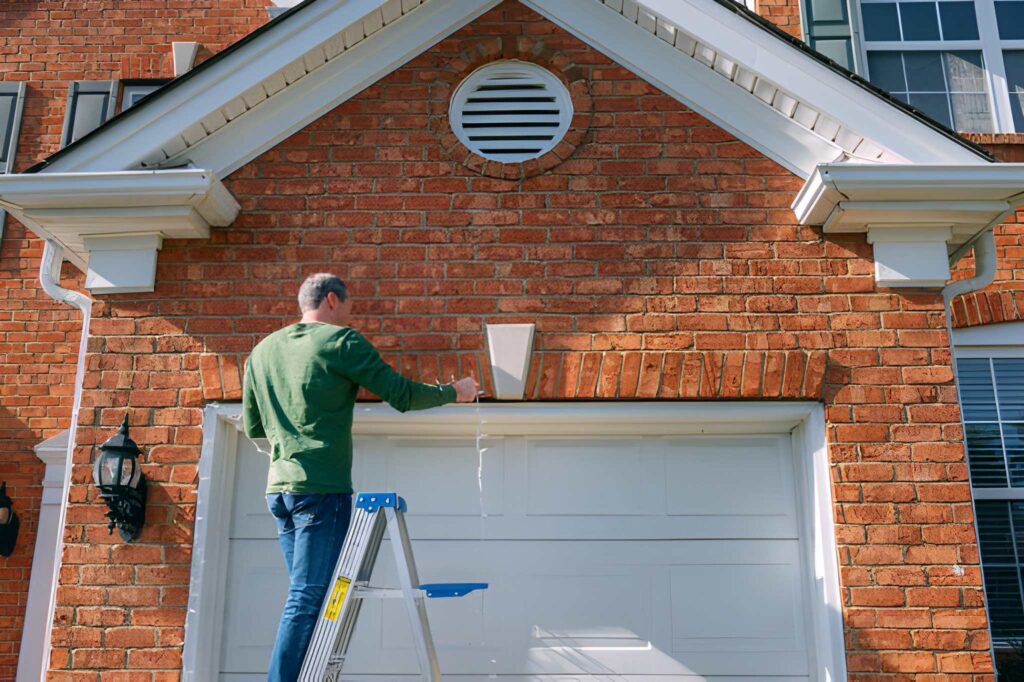
Aluminum trim—the fascia, soffit panels, and window capping popular in post-1970s US construction—is often selected for its promise of low maintenance and weather resistance. Serving as a protective wrapper over vulnerable wooden substrates, aluminum is highly durable but not impervious to damage. When aluminum trim is dented, chalked, or degraded, it compromises the home’s water seal and detracts significantly from curb appeal. Proper repair requires specialized techniques, as aluminum cannot be treated like wood or vinyl. Addressing these defects is crucial for maintaining the "low maintenance" promise and securing the highest appraisal value for the property.
Article Navigation
Primary Failure Modes of Aluminum Trim Repairing Physical Damage: Dents and Creases Restoration: Addressing Chalking and Oxidation Preparation and Painting Techniques Real Estate Value, Inspection Risk, and ROIPrimary Failure Modes of Aluminum Trim
While aluminum does not rot like wood, it is subject to specific types of cosmetic and protective failure that undermine its function as a protective cladding.
Denting and Physical Impact
Aluminum is a soft metal, making it vulnerable to impact from ladders, falling branches, or hail. A dented piece of fascia or window capping creates an immediate aesthetic defect that catches a buyer's eye. More critically, a severe crease can compromise the underlying caulk or flange, potentially trapping water against the wood substrate underneath.
Chalking, Fading, and Oxidation
Most aluminum trim is factory-coated with baked-on enamel paint. Over years of UV exposure, this paint degrades, leaving a fine, powdery residue on the surface known as chalking. Chalking is a sign of paint failure and, if left unaddressed, leads to bare aluminum exposure and oxidation (a white, powdery corrosion) that permanently stains the surface.
Repairing Physical Damage: Dents and Creases
Repairing dents in aluminum trim is a tedious but necessary process that restores the clean lines of the home's exterior envelope. This repair requires metal-specific fillers and careful preparation.
Step-by-Step Dent Repair
Thoroughly clean the dented area with an aluminum-safe cleaner or a degreaser. The surface must be entirely free of chalking, wax, or grease for the filler to adhere properly. Sand the dented area gently with 80-grit sandpaper to create a bonding surface (a "key").
Apply a two-part epoxy or plastic metal filler (often known as Bondo) specifically formulated for use on metals. The filler builds up the dented area to match the original profile. Do not over-apply; use multiple thin layers if the dent is deep.
Once the filler is cured, sand the repaired area, gradually using finer grits (120 to 220). The goal is to feather the edges of the filler smoothly into the surrounding aluminum trim so the repair is undetectable to the touch.
Restoration: Addressing Chalking and Oxidation
Chalking requires chemical cleaning and restoration before repainting is possible. Attempting to paint over a chalked surface guarantees immediate paint failure and peeling.
Chalk Removal and Surface Etching
The chalky residue must be removed entirely using a high-quality detergent and a stiff brush, often followed by a solution of trisodium phosphate (TSP).
- Heavy Oxidation: If the aluminum is heavily oxidized (white powdery corrosion), you must use an acid wash or an aluminum-etching cleaner. This process removes the oxidation layer and creates a perfect bond for the new primer.
- Rinsing is Key: Thorough rinsing with clean water is mandatory after using any chemical cleaner or acid wash to neutralize the surface pH.
Preparation and Painting Techniques
Painting aluminum is different from painting wood; it requires specific primers engineered for maximum adhesion to metal surfaces.
Primer Selection and Application
- Mandatory Primer: Never skip primer. Use a high-quality, oil-based, exterior metal primer or a specialized bonding primer. The primer seals the aluminum and prevents the chalking process from re-occurring under the new topcoat.
- Repainting the Trim: Apply two thin coats of 100% acrylic exterior latex paint. Acrylic is preferred for its flexibility and UV resistance, crucial for exposed trim work.
- Color Matching: Maintain the original color scheme, or select a slightly different contrasting color to refresh the property's look. Bold, contrasting trim colors significantly enhance curb appeal.
Real Estate Value, Inspection Risk, and ROI
Aluminum trim repair is a high-impact, medium-cost maintenance activity that yields exceptional returns, primarily by securing the home's low-maintenance designation.
Curb Appeal and Buyer Perception
Dented, chalked, or faded aluminum trim immediately signals neglect to prospective buyers, undermining the home's overall aesthetic presentation.
Inspection Risk and Financial Benefit
| Condition | Repair Cost Estimate (Per Section) | Inspection/Sale Impact |
|---|---|---|
| Chalking/Fading (Restoration) | $$500 - $$1,500 (Entire home fascia/soffit) | High ROI. Restores new look, prevents further decay. |
| Dented Capping (Filler + Paint) | $$100 - $$300 | Eliminates visible defect; ensures caulk line integrity. |
| Deferred Repair (Leads to Wood Rot) | $$2,500 - $$5,000+ | Catastrophic. Requires removal of aluminum, replacement of rotted wood, and re-cladding. |
The Critical Water Sealing Function
The failure of aluminum trim is not just a surface issue; it is a breach of the water defense system. The aluminum cladding exists to protect the fascia and rake boards from water penetration. A dent or severe break in the aluminum must be addressed immediately to ensure the underlying wooden structure is not compromised. Proactively repairing and repainting aluminum trim preserves the low-maintenance value and protects against the exponentially higher costs of structural wood rot.
Aluminum trim is the polished frame of the house, and its integrity must be maintained. By utilizing professional techniques for dent repair and proper surface restoration, the homeowner protects the underlying structure from water damage, reaffirms the home’s low-maintenance appeal, and ensures the property achieves maximum valuation in the US real estate market.