Mitigating Fire Risk and Securing Property Value in Homes Built 1965–1973
🔥 Aluminum Wiring Repair: The Real Estate Expert’s Safety Protocol
1. Understanding the Fire Hazard
Aluminum wiring was commonly installed in US homes between 1965 and 1973 as a cheaper alternative to copper due to rising commodity prices. While the wiring itself is not banned, the older alloy (AA-1350) and the connection methods used during that era create a significant and documented fire risk. The U.S. Consumer Product Safety Commission (CPSC) estimates that homes with this uncorrected wiring face a dramatically higher risk of fire hazard conditions compared to copper-wired homes.
Why Connections Fail
The danger is almost always at the connection points—outlets, switches, lights, and junction boxes—where the aluminum wire terminates with a device or copper pigtail. Three core properties of aluminum cause these failures:
- Thermal Expansion: Aluminum expands and contracts much more than copper when electrical current heats it. This repeated movement loosens the screw terminals over time, increasing electrical resistance.
- Oxidation: When aluminum is exposed to air, it forms aluminum oxide, a highly resistive coating. This oxide layer impedes the flow of current, leading to excessive heat buildup at the connection point.
- Creep or Cold Flow: Aluminum is a soft metal and can deform or "creep" away from sustained pressure (like a terminal screw) over time, resulting in loose connections even without temperature changes.
Warning Signs of Failure
Homeowners must be vigilant for these indicators, as they signal immediate danger and necessitate cutting power to the circuit:
- Flickering lights or circuits that frequently trip the breaker.
- Warm or discolored switch plates or outlet covers.
- The smell of burning plastic or insulation near electrical devices.
2. Financial and Transactional Impact
The presence of uncorrected aluminum wiring is one of the single biggest red flags in a real estate transaction, impacting the property’s insurability and financeability.
Insurance and Lender Hurdles
- Insurance Denial: Many major US home insurance carriers will either deny coverage entirely or require proof that the wiring has been permanently remediated by a licensed electrician using CPSC-approved methods (COPALUM or AlumiConn) before issuing a policy.
- Increased Premiums: If coverage is granted, it is often at a substantially higher premium rate to offset the elevated fire risk.
- Lender Mandate: Mortgage lenders, particularly for conventional financing, may require remediation to be completed and certified by a licensed electrician before loan approval. The uncorrected wiring poses too high a risk to the asset backing the loan.
- Seller Disclosure: Sellers who are aware of aluminum wiring are legally obligated in most states to disclose its presence. This gives buyers maximum leverage for negotiation.
The Cost of Remediation vs. Price Reduction
A full pigtailing remediation (using AlumiConn or COPALUM) typically costs between $2,500 and $5,000 for a standard home, while a full rewire can exceed $15,000. If left uncorrected, a buyer will often demand a price reduction far exceeding the cost of the repair due to the perceived risk and insurance headache.
Conclusion: Remediation is the minimum required step to preserve financeability and secure a smooth closing.
3. CPSC-Approved Permanent Repair Methods
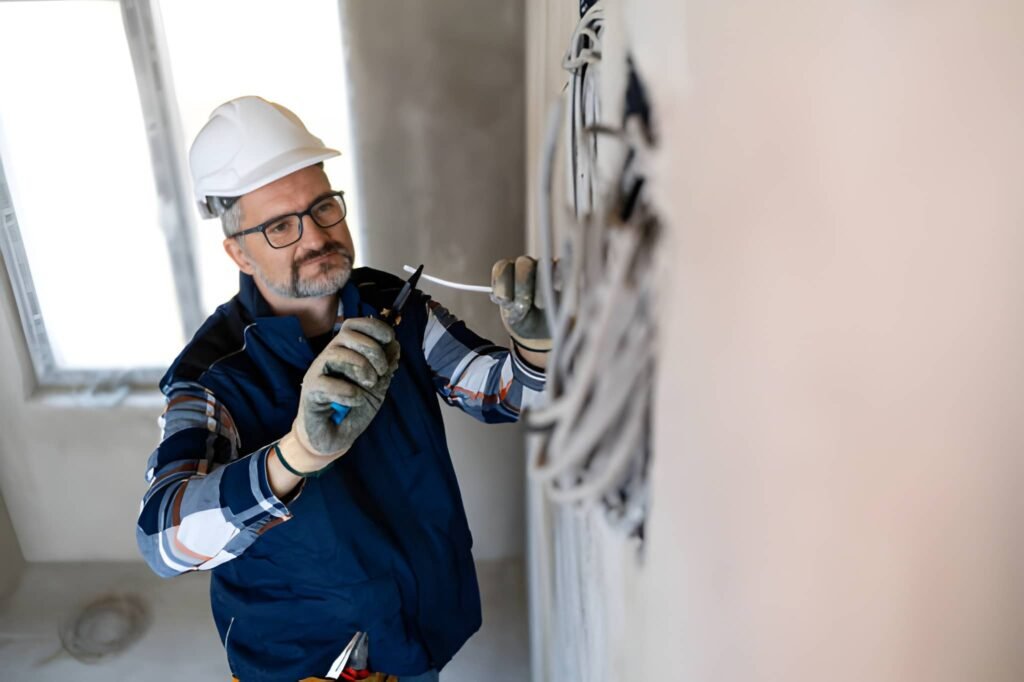
The primary way to mitigate the hazard without costly full replacement is through pigtailing, where a short piece of safe copper wire is permanently attached to the aluminum circuit wire at every connection point in the home. The copper pigtail then connects to the switch or outlet device.
The Two Preferred Remediation Techniques
Method A: COPALUM Crimp Connector
Process: This method uses a proprietary crimping tool to cold-weld the aluminum wire to a copper pigtail inside a special metal sleeve. It creates an irreversible, gas-tight connection that prevents oxidation and is highly resistant to thermal expansion failures.
CPSC Status: Considered the most effective and permanent repair solution. Installation requires specific manufacturer certification and specialized, expensive tools.
Method B: AlumiConn Connector
Process: This method uses a miniature screw-lug connector, where the aluminum and copper wires are securely tightened within an aluminum body, isolating the two metals. Installation requires specific torque adherence using a specialized torque screwdriver.
CPSC Status: Also approved as a permanent repair. It is generally more readily available and less expensive to install than COPALUM.
4. Full Replacement: The Ultimate Solution
While pigtailing offers a highly effective and CPSC-approved permanent repair, **complete rewiring** of the home with copper conductors is the definitive, risk-eliminating solution.
When to Choose Rewiring
- Major Renovation: If walls are already opened for kitchen or bathroom remodels, the incremental cost of a full rewire is significantly reduced.
- Extensive Damage: If the aluminum wiring itself shows signs of brittle insulation, excessive splicing, or deterioration beyond the connection points.
- Maximum Value Protection: Sellers pursuing the highest possible market price often opt for a full rewire to remove the aluminum history entirely, maximizing buyer confidence and eliminating insurance scrutiny.
5. Immediate Action and Professional Vetting
Aluminum wiring repair is never a do-it-yourself project. Improper connection is the source of the danger, making amateur intervention a recipe for disaster.
Vetting the Aluminum Specialist
Ensure the electrician you hire has specific expertise in aluminum remediation. Ask these clarifying questions:
- Are you certified to install **COPALUM** connectors, or do you primarily use **AlumiConn**? (Both are acceptable, but certification shows advanced specialty.)
- Will you provide a **certificate of remediation** detailing that all connections in the home have been addressed?
- Is there a **written labor warranty** against connection failure?
- Do you handle the **permit and inspection** process for the remediation work? (A permit is mandatory to document the repair for future sale and insurance.)