Home Maintenance & Capital Asset Management
The Homeowner’s Guide to In-Home Appliance Repair: Cost, Strategy, and Value
Major household appliances—refrigerators, washers, dryers, and ranges—represent significant capital investments. When one fails, the critical decision is not merely fixing the immediate issue, but determining if the repair preserves the appliance's expected lifespan and protects the home’s resale value. We provide a disciplined framework for diagnosing common faults, analyzing the "repair versus replace" threshold, and managing the total cost of maintaining these essential home systems.
Article Contents
1. The Age Factor: Estimating Appliance Lifespan
The first step in any repair analysis is assessing the appliance's remaining value. The decision to repair is heavily influenced by where the unit sits on its average lifespan curve.
Appliance Expected Lifespans
While maintenance practices vary, these are the general useful life expectancies for major, non-luxury brands in the US housing market:
| Appliance Type | Average Life Expectancy (Years) | High-Risk Component Failure Zone |
|---|---|---|
| Refrigerator | 10 to 18 | 10+ (Compressor, Sealed System) |
| Washer and Dryer | 10 to 13 | 8+ (Drum/Tub Bearings, Motor, Control Board) |
| Dishwasher | 9 to 12 | 7+ (Water Pump, Heating Element, Control Board) |
| Range/Oven (Electric or Gas) | 15 to 20 | 12+ (Igniters, Thermostats, Control Board) |
The Repair Trap
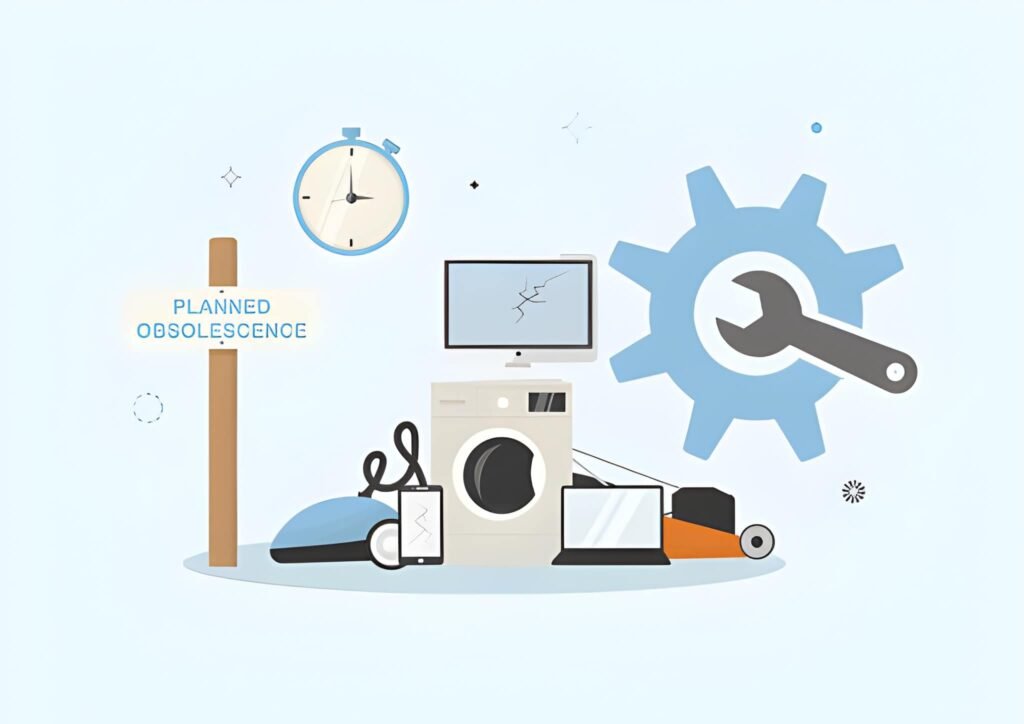
Attempting an expensive repair (over $500) on an appliance nearing the end of its life expectancy creates a "repair trap." The large capital outlay fixes one component, but the age of the surrounding systems ensures another failure is imminent, ultimately yielding a negative return on the repair investment.
2. Diagnostics and Low-Cost Fixes
Many common appliance failures can be resolved affordably through proper diagnostics, saving the homeowner from an unnecessary service call or replacement.
Before Calling a Technician
Always verify the three simplest causes of appliance malfunction before engaging a professional:
- Power: Check the circuit breaker and ensure the appliance is firmly plugged in. For ranges, ensure both breakers (if dual) are on.
- Clogs: For washers and dishwashers, check the drain hose and filters for physical blockages (lint, food debris). A clogged drain pump filter is a zero-cost fix that mimics a pump failure.
- Leveling: An unlevel washer or dryer can stop mid-cycle due to vibration sensors. Adjusting the leveling feet is a quick correction.
Common Low-Cost Part Swaps (DIY or Tier 1 Pro)
These parts are often affordable and simple to replace, making them high-ROI repairs, even when factoring in a technician's labor fee:
- Washer/Dryer Thermal Fuse: $20 to $50. Prevents overheating and is often tripped by clogged dryer vents.
- Dishwasher Heating Element: $100 to $250 installed. Failure results in poor drying performance.
- Refrigerator Door Gasket: $50 to $150. A deteriorated seal causes the compressor to run constantly, raising utility bills and risking premature failure.
3. Repair Cost Analysis by Appliance
Labor is the greatest variable in appliance repair. Technician rates typically range from $90 to $150 per hour, plus a trip or diagnostic fee of $80 to $150.
Cost Drivers by Appliance Type
The total repair cost hinges on the component's complexity and accessibility within the unit:
| Appliance | High-Cost Failure | Estimated Repair Cost Range (Installed) |
|---|---|---|
| Refrigerator | Compressor/Sealed System Repair | $600 – $1,200+ |
| Washer | Drum Bearing/Transmission/Main Control Board | $450 – $800 |
| Dryer | Drive Motor Replacement | $350 – $650 |
| Dishwasher | Main Circulation Pump/Control Board | $300 – $600 |
Diagnostic Fee = $120
New Motor Control Board Part = $250
Labor (2 hours @ $120/hr) = $240
Total Estimated Cost = $610
4. The Critical Repair vs. Replace Threshold
As a real estate expert, I recommend using a financial threshold to guide the repair decision. This prevents over-investing in obsolete assets.
The 50 Percent Rule (Industry Standard)
If the cost of the repair exceeds 50 percent of the cost of a new, comparable replacement appliance, replace the unit. This rule protects against the "repair trap" by ensuring your capital is invested in an asset with a full, predictable lifespan.
The Age-Cost Multiplier
For appliances that are 75 percent or more through their expected lifespan (e.g., a 9-year-old washer), reduce the repair threshold to 25 percent of the replacement cost. At this stage, failure of the core structural components (bearings, seals) suggests total system wear.
When replacing, consider the immediate utility savings. Replacing an old refrigerator (pre-2000) with a modern Energy Star unit often yields utility savings that rapidly offset the price difference between replacement and expensive repair.
5. Real Estate Impact: Home Warranty and Disclosure
The functionality and age of included appliances are noted in every home inspection and impact closing negotiations.
The Home Warranty and Claims
A home warranty policy (often provided by the seller) provides coverage for major appliance failures. Use the warranty promptly. While the warranty will repair the unit, it usually covers the "functional equivalent" and not an upgrade to a newer, more efficient model.
Appliance Disclosure and Value
When selling a home, all included appliances must be disclosed. Buyers heavily scrutinize the age of the refrigerator, washer, and dryer. Newer, high-end appliances (stainless steel, modern features) contribute positively to the perceived value and justify a higher list price. Conversely, old, non-functional appliances may require replacement or credit negotiation.
6. Interactive Repair or Replace Calculator
Use this tool to apply the 50 Percent Rule to your appliance repair decision and determine the optimal capital strategy.
Analysis pending.
Managing Capital Assets, Not Just Repairs
Appliance repair at home is a capital management issue. By diligently tracking the unit's age and applying the 50 Percent Rule, homeowners avoid sinking money into failing assets. Prioritize high-ROI repairs on younger units and opt for strategic replacement on older ones to maximize energy efficiency, minimize future emergency costs, and ensure the home is market-ready.