Maximizing Returns: A Strategy for the Dallas, Oregon Fixer-Upper
A structured financial and risk assessment for renovating a 3-bedroom, 2-bathroom property in the Polk County market.
Table of Contents
Market Context and the MAO Framework
Dallas, Oregon, is situated in Polk County, a stable but often slower-moving real estate market compared to metropolitan areas like Portland or Salem. In such a market, the condition of a home, especially structural and mechanical repairs, directly impacts marketability and final sales price. A 3-bedroom, 2-bathroom configuration is highly desirable for standard family living, making this a strong candidate for renovation, provided the repair costs do not exceed the margin. The first step in assessing this opportunity is establishing the **Maximum Allowable Offer (MAO)**.
The Goal: Calculating Maximum Allowable Offer (MAO)
Before making an offer, you must establish the Maximum Allowable Offer (MAO). This calculation shifts the focus from the asking price to the property's potential value after renovation:
Understanding the components of this formula is vital for risk mitigation. Use the interactive element below to review the core variables.
After Repair Value (ARV)
The estimated sales price of the home once fully repaired. This requires analyzing comparable sales (comps) of fully renovated 3-bedroom, 2-bathroom homes in the Dallas area sold within the last six months.
Repair Costs
The comprehensive, line-item estimate for all necessary repairs, including a mandatory contingency buffer (see below).
Closing/Holding Costs
Includes real estate agent commissions, title insurance, property taxes, homeowner's insurance, and financing interest incurred during the renovation and sales period (typically 4 to 6 months).
Profit Margin
The mandatory return on investment (typically 15 percent to 25 percent of ARV for flips, or slightly lower for buy-and-hold strategies). Never compromise this margin; it quantifies the risk taken.
Critical Repair Assessment: Structural Priorities
In a "needs repair" scenario, costs must be categorized by severity. The major systems and structural elements dictate the viability of the entire project.
Structural Integrity (Highest Priority)
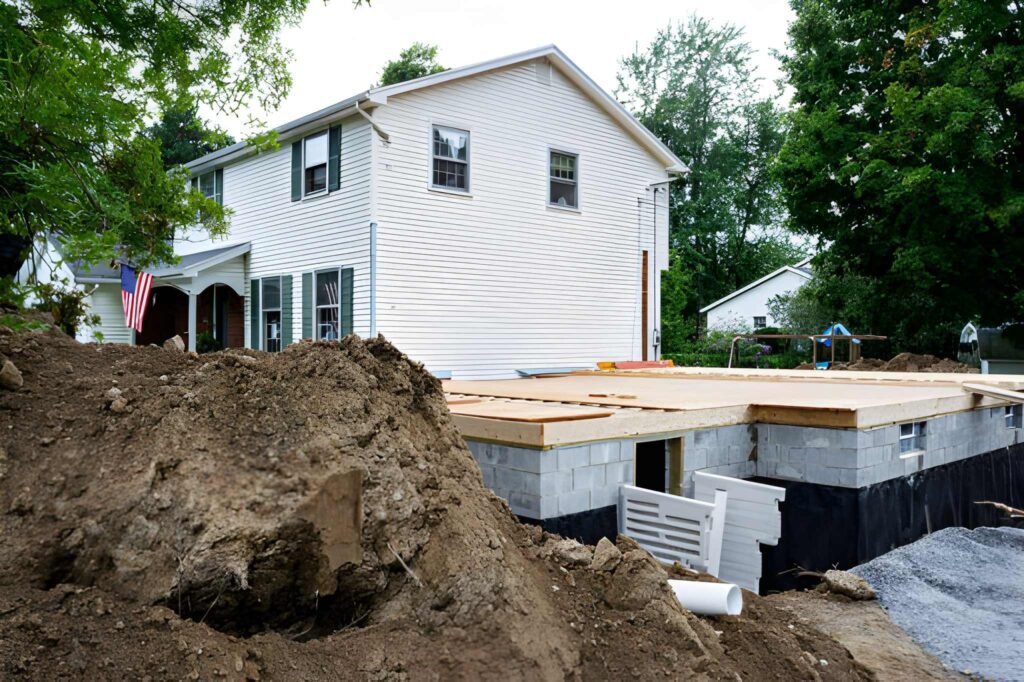
Foundation issues pose the single greatest threat to profitability. Given the property's likely age (many homes in the Willamette Valley were built before the 1980s), a specialized foundation inspection is mandatory. The continuous moisture inherent to the Oregon climate exacerbates structural issues.
Key Inspection Points for Foundation Risk
- Visible cracks in the foundation or interior walls.
- Uneven floors, doors and windows that stick or bind.
- Moisture, standing water, or fungal growth in the crawlspace or basement.
Potential High Costs and Mitigation
If the home has a crawlspace or basement, look for:
- Sill plate rot and floor joist damage from moisture, requiring chemical treatment and structural replacement.
- Bowing walls, which require immediate stabilization using carbon fiber straps or external excavation for I-beams.
- Settling that requires helical or steel push piers (referencing the high costs associated with specialized foundation repair).
Core Mechanical and System Overhaul
These systems must be fully functional and up to code for successful financing and resale. Failure in these areas is expensive and can halt the sale process.
Roofing and Water Envelope
Determine the age and condition of the roof. Water damage from a failed roof is cumulative and impacts the entire home structure. A full tear-off and replacement typically costs between $10,000 and $25,000 depending on pitch and material. Always budget for necessary plywood replacement underneath the shingles, as Oregon’s rainfall makes substrate rot common.
HVAC and Utilities
Verify the age of the furnace/heat pump and water heater. If either is 15+ years old, budget for replacement, regardless of current functionality. Buyers and lenders demand certainty in utility function. Additionally:
- **Electrical/Plumbing:** Inspect for outdated systems (e.g., knob-and-tube or aluminum wiring, galvanized or polybutylene plumbing). Full replacement of these systems can cost $15,000 to $30,000, but is essential for safety and insurance coverage.
- **Sewer Lateral:** In older homes, verify the condition of the sewer line running from the house to the municipal connection. Scope the line for roots or breaks; replacement costs can exceed $15,000.
Hazardous Materials and Compliance Costs
Older homes in this region frequently harbor hidden environmental risks that must be legally addressed before renovation. These costs are non-negotiable compliance items.
Lead Paint and Asbestos
**Lead Paint:** Likely present if the house was built before 1978. Requires specialized removal or encapsulation during the renovation, often managed under EPA RRP (Renovation, Repair, and Painting) rules.
**Asbestos:** May be present in floor tiles, pipe insulation, exterior siding (transite), or old roofing materials.
Abatement is mandatory and highly regulated, adding unexpected soft costs. Asbestos pipe insulation removal can cost $3,000–$7,000. Full floor tile abatement can cost $5–$15 per square foot. Always include an allowance for testing and abatement certification in your initial budget to avoid massive budget shocks.
Valuation Scenarios and Financial Modeling
The repair cost model below synthesizes the risk hierarchy into actionable budgetary figures, which form the foundation of your MAO calculation.
Repair Cost Modeling
| Repair Category | Example Scope of Work | Estimated Low Cost | Estimated High Cost |
|---|---|---|---|
| Foundation/Sill | Minor shoring and sill plate repair (partial) | $5,000 | $25,000 (Full pier work) |
| Roofing | Complete tear-off and 30-year shingle replacement (20 squares) | $15,000 | $22,000 |
| Systems | HVAC replacement, new electrical panel, partial plumbing update | $18,000 | $35,000 |
| Cosmetic (Interior) | New kitchen, 2 new bathrooms, flooring, paint, trim | $40,000 | $65,000 |
| Soft Costs | Permits, inspections, title, closing costs, holding interest (4 months) | $8,000 | $15,000 |
| Total Estimated Repair Cost (TEC) | **$86,000** | **$162,000** | |
The Mandatory Contingency Buffer
Always add a **15 percent contingency buffer** to your repair estimate. In older homes, particularly those in the Willamette Valley climate, hidden water damage, insect infestation, or unexpected structural compromises are nearly guaranteed. This buffer must be treated as part of the total investment cost.
If your Total Estimated Repair Cost (TEC) is $162,000, the 15 percent buffer is:
Contingency = $162,000 x 0.15 = $24,300
Your working capital requirement for repairs must therefore be $162,000 + $24,300 = **$186,300**.
Financing Strategy for Fixer-Uppers
Conventional mortgages typically will not finance properties with major structural, roofing, or system failures. You will likely require specialized financing that integrates the purchase and renovation costs.
Financing Strategy Comparison
| Option | Primary Use | Pros | Cons |
|---|---|---|---|
| Cash Purchase | Investors and highly liquid buyers. | Offers the strongest negotiating leverage and fastest closing time. | Ties up significant capital; carries the entire financial risk. |
| FHA 203k Loan | Owner-occupants, mandatory repairs. | Single loan covers purchase and renovation; competitive long-term interest rate. | Extensive paperwork, strict contractor vetting, renovation budget controlled by HUD guidelines. |
| Hard Money Loan | Professional flippers and investors. | Fast closing, high leverage, renovation funds available quickly. | High interest rates (10%+), short repayment terms (6-18 months), high fees (points). |
Negotiation and Due Diligence Leverage
Your ability to acquire this property at a profitable price hinges on the strength and documentation of your repair estimates.
The Power of Professional Estimates
Do not rely on rough estimates. Present the seller with certified estimates from licensed contractors for high-cost repairs (Foundation, Roof, HVAC). This substantiates your lower offer price based on objective third-party analysis, diminishing the seller's ability to claim the damage is merely cosmetic. This is critical in slowing markets like Polk County where buyers possess greater leverage.
Mandating Environmental Testing
Use your inspection contingency period to mandate environmental testing for lead and asbestos. If confirmed, this provides irrefutable leverage to negotiate a substantial price reduction or demand remediation, as these costs are fixed and legally required.
Conclusion: Risk Quantification
The Dallas, Oregon 3-bedroom, 2-bathroom opportunity is viable only if the repair cost is quantified and factored into the MAO calculation. The Willamette Valley climate introduces high risk into structural elements, making foundation, roofing, and mechanical systems the dominant budget concerns. By executing a structured analysis, securing professional, verifiable estimates, and budgeting for a conservative 15 percent contingency, you move this property from a vague "fixer-upper" to a predictable financial model, allowing you to negotiate confidently and secure a viable investment.