3-Story Exterior Repair: Access, Safety, and High-Altitude Maintenance
A comprehensive guide to managing exterior repairs on high-rise residential properties, focusing on compliance and risk mitigation.
Table of Contents
The exterior envelope of a three-story house, condominium, or multi-family building faces exponential challenges compared to a single-story structure. Wind load, moisture infiltration pressure, and ultraviolet exposure are magnified at height. Furthermore, the complexity and cost of access—the primary barrier to high-wall maintenance—means repairs are frequently delayed. This delay accelerates deterioration, leading to serious structural risk and a depreciated asset value. Managing repairs on a three-story structure demands a professional, phased approach focused on safety and detailed logistics.
1. The Professional Mandate: Why DIY is Not an Option
CRITICAL SAFETY WARNING:
Repair work performed at the third-story level (typically 25 to 35 feet above grade) falls under stringent OSHA regulations in the United States. Fatal injury risk increases dramatically beyond 10 feet. Homeowners **must not** attempt vertical repairs on the third story using standard extension ladders. Liability, insurance coverage, and personal safety require the use of licensed, bonded contractors specializing in high-access work.
2. Pre-Repair Assessment and Zoning Compliance
Before any scaffolding goes up, a detailed, non-destructive assessment identifies the full scope of failure. This stage is crucial for securing accurate bids and avoiding costly scope creep once the work begins.
Detailed Inspection Checklist
- Moisture Audit: Use infrared cameras and moisture meters to detect water intrusion points around windows, flashing, and wall transitions—areas typically inaccessible for routine visual inspection.
- Siding and Cladding: Check for bowing, cupping, or delamination in exterior materials, especially near eaves and parapet walls where water exposure is highest.
- Window Seals: Inspect caulking and weatherstripping integrity. Seal failure at high elevations introduces water directly into the wall cavity, leading to costly interior damage.
- Zoning Review: Confirm local zoning codes regarding temporary structure placement (scaffolding permits), noise ordinances, and property line setbacks, especially in dense urban environments.
3. Access Strategy: Scaffolding, Lifts, and Safety Planning
The majority of the cost and complexity in a three-story repair is directly related to gaining safe, stable access to the work area. The choice of access method depends on the duration and scope of the work.
Comparative Access Methods
| Method | Best Application | Cost & Complexity |
|---|---|---|
| System Scaffolding | Large-scale, long-duration projects (e.g., full siding replacement, masonry work). | High initial setup cost, requires permits, excellent stability. |
| Boom/Scissor Lift | Short-duration, localized spot repairs (e.g., trim replacement, chimney flashing). | Moderate daily rental cost, requires adequate ground stability and maneuvering space. |
| Suspended Scaffolding (Swing Stage) | Narrow or inaccessible urban sites; requires secure roof attachment points. | High technical skill required, highest safety risk if improperly secured. |
3.1. Mitigating Scaffolding Risks
Scaffolding setup is a specialized trade. Improperly erected scaffolding is an enormous liability. Contractors must prove compliance with the following:
- Fall Protection: Workers must use personal fall arrest systems (harnesses, lanyards) tied off to certified anchor points, even when working on a fully planked scaffold.
- Load Capacity: Scaffolding must support four times the maximum intended load. This is critical when materials like large buckets of stucco or heavy timbers are placed on the platform.
- Grounding: The scaffold base must be level, stable, and anchored to the building every 20 feet vertically and horizontally to prevent tipping or shifting.
- ****
4. Project Execution: Key High-Wall Repairs
Repairs at the third story frequently involve areas that divert water from the rest of the structure. Failures here compromise everything below them.
Flashing and Eaves Repair
The junction between the roofline and the vertical wall (eaves, dormers) is a high-risk failure point. Improper step or kick-out flashing leads to chronic water intrusion into the wall assembly. Repair requires completely removing the exterior siding and shingles in the affected area, inspecting the sheathing, installing new self-adhering membrane and metal flashing, and then reapplying the exterior finishes.
Window and Penetration Sealing
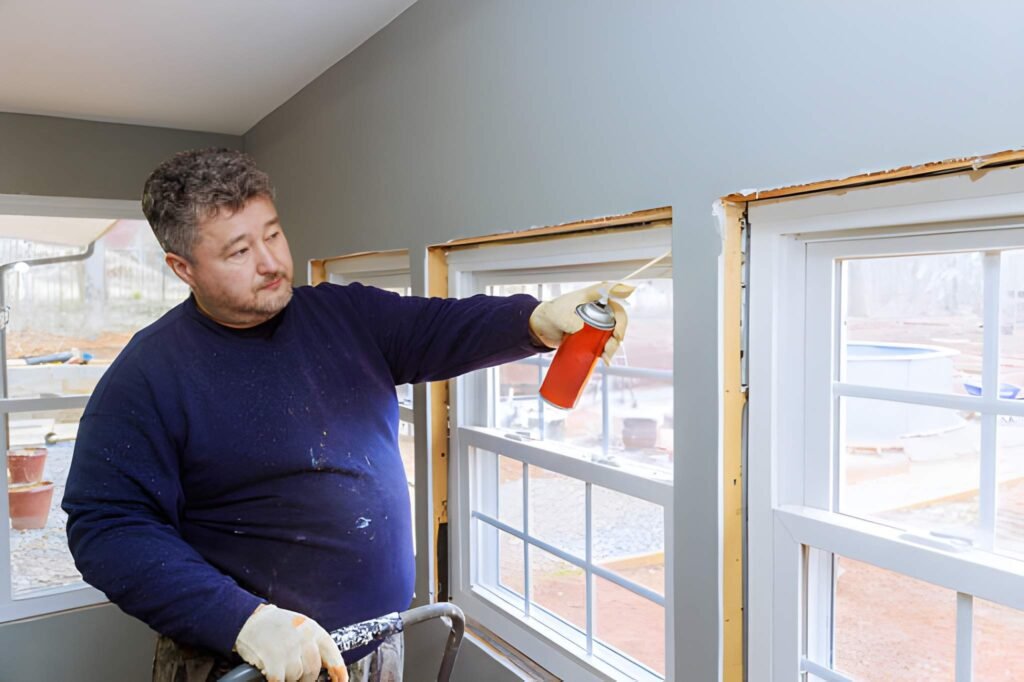
High windows bear the brunt of wind-driven rain. Old caulk degrades rapidly, and moisture follows gravity down the wall structure. Professional repair mandates removing all existing caulk, cleaning the surfaces meticulously, applying backer rod to joints over a quarter-inch wide, and then applying high-performance, polyurethane sealant. This must be a continuous, flexible seal around the entire perimeter of the penetration.
5. Contractor Vetting and Documentation
For any repair involving specialized access, a standard general contractor will not suffice. You need a highly vetted, specialized firm.
Vetting High-Access Contractors
- Worker's Compensation & Liability: Demand proof of insurance, specifically verifying coverage for work performed at heights exceeding 30 feet. This protects you if a worker is injured on your property.
- Scaffolding Subcontractor: Confirm whether the primary contractor owns the scaffolding or subcontracts. If they subcontract, vet the scaffolding company for their specific OSHA and liability compliance records.
- References: Request references for three similar 3-story projects completed in the last two years. Crucially, ask how they managed site access, public safety, and material staging.
- Permit Responsibility: Ensure the contract explicitly states that the contractor is responsible for obtaining and managing all required municipal permits related to the scaffolding and the construction work itself.
6. High-Rise Maintenance and Investment Impact
For a three-story property, exterior repair is not a maintenance expense; it is a capital expenditure necessary to maintain the asset's highest possible value.
The Cost of Deferral
Repair costs often double when water intrusion moves from the exterior cladding to the interior wall system. For example, delaying a $10,000 flashing repair on the third floor can result in $30,000 in drywall, mold remediation, and subfloor repair on the second and first floors. Proactive, preventative maintenance, though expensive for high-rise access, is always the most economical long-term strategy for preserving equity and avoiding structural devaluation.
Expert Value Conclusion:
A three-story home places unique burdens on the owner. The greatest financial error is underestimating the cost and danger associated with vertical access. Treat high-wall repair as a specialized construction project. Hire licensed, insured experts, mandate strict safety protocols, and prioritize long-term moisture management over short-term cosmetic fixes to fully protect your real estate investment.