The 5-Year Home Preservation Plan: Maximizing Value and Mitigating Risk
Effective home maintenance operates on a consistent schedule, not a reactive panic. A strategic five-year repair and preservation plan is the core framework for managing a property as a high-value financial asset. This systematic approach ensures critical systems are addressed before they fail, capital expenses are budgeted predictably, and the property consistently presents a low-risk profile to appraisers and future buyers. The priority is simple: address structural integrity and weather protection first, then focus on mechanical reliability, followed by cosmetic renewal.
Article Navigation
Strategic Overview: Risk and Budgeting Year 1: Structural Audit and High-Risk Mitigation Year 2: Exterior Envelope Sealing and Protection Year 3: Mechanical System Renewal Year 4: Major Aesthetic Renewal (Interior/Exterior Paint) Year 5: Final Review and ReassessmentStrategic Overview: Risk and Budgeting
The fundamental financial goal is to eliminate surprises. By allocating funds annually for predictable failures (e.g., HVAC replacement every 15 years, roof every 25 years), you avoid relying on high-interest emergency credit when a system fails. You must aim to save **1% to 4% of the home's value** annually for repairs and capital improvements.
Maintenance Priority Matrix
| Priority | System / Component | Financial Rationale |
|---|---|---|
| 1. Critical / Structural | Foundation, Roof, Main Water Line, HVAC | Failure risks property loss or halts sale. Non-negotiable repair. |
| 2. Envelope / Efficiency | Siding, Windows, Insulation, Caulking, Gutter System | Mitigates moisture penetration and reduces high utility costs. |
| 3. Cosmetic / Marketability | Paint (Exterior/Interior), Landscaping, Fixtures | Enhances curb appeal and dictates buyer perception and final sale price. |
Year 1: Structural Audit and High-Risk Mitigation
The first year focuses entirely on **risk assessment and prevention**. All actions must secure the foundation and the immediate roofline.
Key Tasks and Real Estate Impact
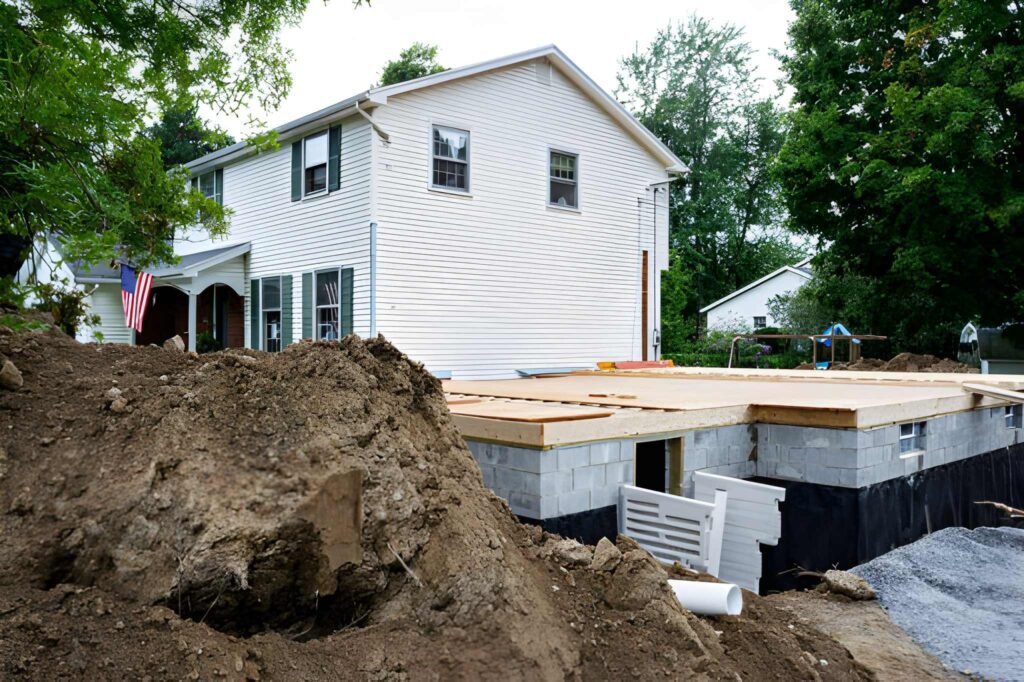
- Foundation Inspection: Hire a structural engineer if any foundation cracks (wider than 1/4 inch) or bowing walls exist. Repair is paramount to securing financing.
- Water Mitigation: Clean and repair all gutters. Extend downspouts at least 6 feet from the foundation. Correct all negative grading (slope toward the house).
- Tree/Foliage Trim: Aggressively trim any tree limbs touching the roof or siding. Overgrown foliage traps moisture and creates pest access.
- Electrical Panel Check: Have an electrician inspect the main panel, especially if the house is over 40 years old or has visible signs of rust. Safety issue and inspection flag.
Estimated Budget: $$500 – $$5,000 (Excluding major foundation work)
Year 2: Exterior Envelope Sealing and Protection
Year two shifts focus to the **weather envelope**. This ensures the structure is protected from water intrusion from the walls and openings.
Key Tasks and Real Estate Impact
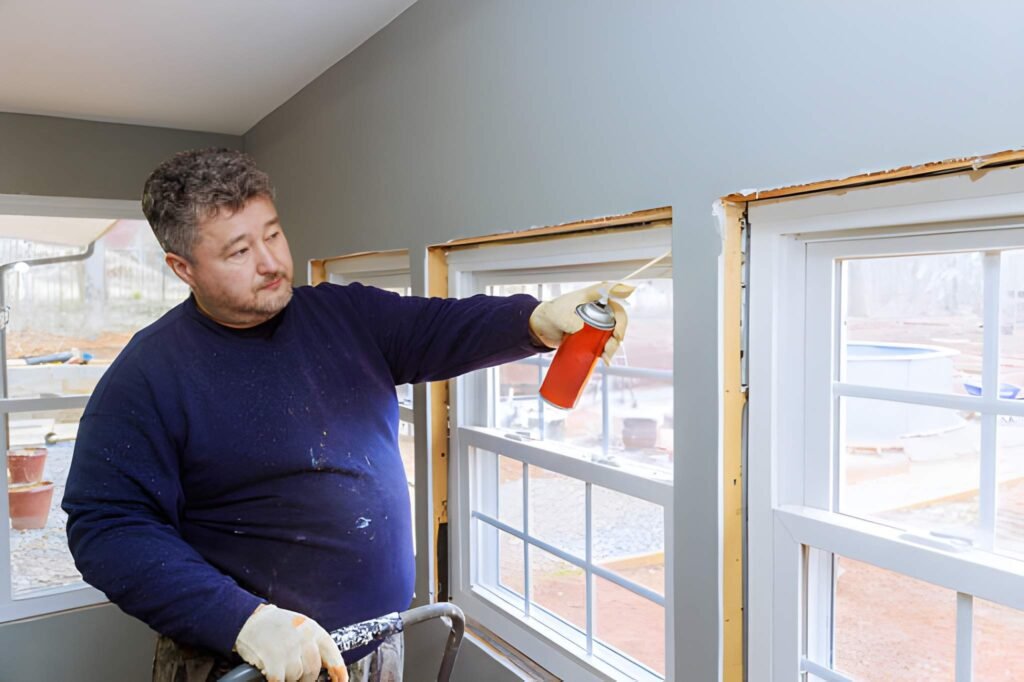
- Window/Door Caulking: Scrape and replace all failed exterior caulk around window and door casings. This is the single biggest step for preventing wood rot and drafts.
- Trim Repair (Minor): Address minor rot on fascia, corner boards, and window sills using structural epoxy filler. Prevents small decay from becoming major structural rot.
- Insulation Audit: Check attic and crawl space insulation levels. Low insulation flags poor efficiency and is a critical negotiation point for buyers.
- Deck/Patio Maintenance: Power wash and reseal any wooden decks or patios. Preserves outdoor living space appeal.
Estimated Budget: $$1,500 – $$4,000
Year 3: Mechanical System Renewal
Year three addresses the most expensive component failures that can easily derail a sale: **HVAC and Water Heater**. This is the time to prioritize replacement if units are nearing the end of their lifespan (15 years for HVAC, 10-12 years for water heaters).
Key Tasks and Real Estate Impact
- HVAC Service & Lifespan Check: Have a professional assess the remaining useful life (EUL) of the furnace and AC unit. If replacement is recommended, budget for it in this year or the next.
- Water Heater Flush/Replacement: Flush the water heater to remove sediment (improves efficiency). If it is over 10 years old, allocate funds for its replacement; failure often leads to catastrophic water damage.
- Water Pressure Check: Check static water pressure and adjust if over 80 PSI using a pressure regulator. High pressure stresses all plumbing fixtures and appliances.
- Grout and Tile Repair: Address cracked grout or failed caulk in bathrooms. Prevents water from leaking into subfloors.
Estimated Budget: $$2,000 – $$8,000 (Including HVAC replacement reserve)
Year 4: Major Aesthetic Renewal (Interior/Exterior Paint)
Once the structure and mechanical systems are secured, focus shifts to **cosmetic value**. Exterior paint is the single highest ROI cosmetic upgrade for resale.
Key Tasks and Real Estate Impact
- Exterior Repainting: Plan and execute a full exterior paint job (average lifespan 7-10 years). This maximizes curb appeal, protects the trim repair done in Year 2, and secures the highest possible market valuation.
- Kitchen/Bath Hardware Update: Replace aging cabinet handles, faucets, and light fixtures. Low-cost updates that yield high cosmetic ROI.
- Interior Touch-ups: Repaint high-traffic areas (kitchen, hallways, trim). Fresh, neutral paint signals "move-in ready" to buyers.
Estimated Budget: $$5,000 – $$12,000 (Dependent on exterior paint scope)
Year 5: Final Review and Reassessment
The final year of the plan prepares the home for sale (if applicable) or initiates the next 5-year cycle, ensuring perpetual maintenance.
Key Tasks and Real Estate Impact
- Major System Documentation: Compile all service records, warranties (HVAC, Water Heater, Roof), and repair invoices. This documentation is crucial for increasing buyer confidence and justifying the list price.
- Roof Cleaning: Remove moss, algae, and debris. Extends shingle life and improves appearance.
- Pest Control Audit: Ensure no signs of termites or other wood-destroying organisms exist. Termite damage is a major closing hurdle.
- Restart Cycle: Review the condition of all major systems and draft the next 5-year maintenance plan, allocating savings based on current property value and system age.
Estimated Budget: $$1,000 – $$2,500 (Mostly routine maintenance and minor fixes)
A property maintained according to this strategic 5-year plan presents a strong, low-risk profile in the US real estate market. The documented history of systematic care minimizes buyer objections during inspection, commands a premium price, and assures the homeowner that their largest asset is preserved against structural and mechanical decay.