
A Comprehensive Guide to Federal and Local Housing Assistance
🏠 Securing Your Home: $52,000+ in Housing Repair Assistance for Low-Income Owners
1. Understanding the Funding Landscape
The figure of $52,000 represents the potential maximum funding ceiling available through a combination of federal, state, and local rehabilitation programs designed for low-to-moderate-income homeowners. This is generally not a single, lump-sum grant, but rather the cumulative capacity of layered assistance aimed at eliminating immediate health, safety, and structural risks in owner-occupied properties.
For a low-income family, access to these funds is critical. The assistance prevents catastrophic failures (roof collapse, HVAC failure, lead poisoning) that disproportionately erode the minimal equity held by these owners, protecting them from foreclosure or displacement due to unmanageable repair costs.
2. Key Federal and State Programs
Low-income repair assistance is usually administered at the county or municipal level, but the funding originates from large, national programs managed by the U.S. Department of Housing and Urban Development (HUD) and the U.S. Department of Agriculture (USDA).
Core Federal Funding Streams
A. HUD Community Development Block Grant (CDBG)
Mechanism: Funds are distributed to local city and county governments to operate housing rehabilitation programs. These often target urgent code violations, roof replacement, and accessibility upgrades for elderly residents.
Benefit Structure: Typically offered as deferred, low-interest, or forgivable loans, meaning the loan is only due if the owner sells or refinances within a set period (e.g., 5-15 years).
B. USDA Rural Development (Section 504)
Mechanism: Specifically for low-income homeowners in **eligible rural areas** (generally populations under 35,000).
Benefit Structure: Offers grants up to $10,000 for elderly owners (age 62+) who cannot repay a loan, and loans up to $40,000 for non-elderly owners. The maximum combined loan and grant limit is typically $50,000.
C. HUD Lead Hazard Control Grant Program
Mechanism: Targets homes built before 1978 to eliminate lead-based paint hazards, which are a major health risk, particularly for children.
Benefit Structure: Often provided as a direct grant, as this addresses a mandatory health/safety concern. The scope focuses entirely on abatement and remediation work related to lead and sometimes other minor repairs incidental to the abatement.
3. Core Eligibility Requirements (Income and Location)
Qualification for these programs is strictly based on three metrics: income, occupancy, and home value.
The Income Hurdle
The primary qualification standard is the **Area Median Income (AMI)**, as defined by HUD for the local metropolitan statistical area. Applicants must typically fall into the "Low Income" or "Very Low Income" brackets.
Low Income: Household income is 80% of the AMI.
Very Low Income: Household income is 50% of the AMI.
The Occupancy and Title Rule
- Owner-Occupancy: The applicant must legally own and reside in the property as their principal residence. Rental properties are generally ineligible.
- Clean Title: The applicant must hold clear title to the property. Issues with inherited property (multiple heirs on title) must be resolved legally before application.
- Home Value Cap: Many municipal programs cap the home’s after-repair value to ensure funds are not used on luxury properties.
4. Prioritized Eligible Repairs (Health and Safety)
Funding is almost always prioritized based on safety and necessity, not aesthetic upgrades. The highest priority is given to work that preserves the property's structural integrity or protects the occupants' health.
Tiered Repair Priority for Low-Income Funds
Priority 1: Health, Safety, and Structural Integrity
- **Roof Replacement:** Active leaks leading to interior damage or structural rot.
- **Foundation Repair:** Stabilization of shifting or failing foundations (excluding major underpinning which may exceed caps).
- **Plumbing:** Repair or replacement of failed main sewer lines or water lines; fixing persistent leaks to prevent mold.
- **Electrical:** Correcting hazardous knob-and-tube or overloaded systems; replacing outdated electrical panels.
- **Lead/Asbestos Abatement:** Required removal of hazardous materials.
Priority 2: Energy Efficiency and Accessibility
- **HVAC System Replacement:** Replacing failed or inefficient heating/cooling systems (especially R-22 units).
- **Insulation:** Attic or wall insulation installation to meet current energy codes.
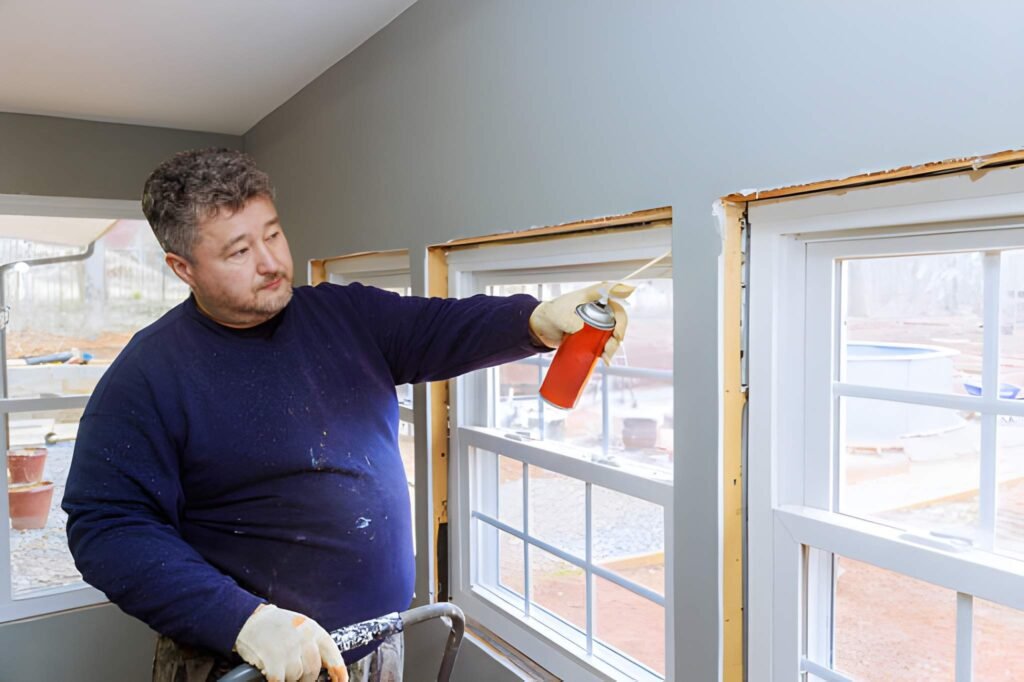
- **Windows and Doors:** Replacement of single-pane, broken windows and exterior doors to improve the thermal envelope.
- **Accessibility:** Installation of ramps, grab bars, or widening doorways (ADA compliance).
Priority 3: Cosmetic and Non-Essential Repairs
These repairs are typically only funded if they are incidental to a Priority 1 or 2 repair, or if significant funding remains after all essential work is scoped.
- Interior painting or wall patching (if not caused by a leak).
- New non-essential flooring or carpeting.
- Kitchen/bathroom cabinet upgrades.
5. Navigating the Application Process
Accessing these funds requires diligence, patience, and working through the correct governmental channel. Funding is limited and often competitive.
Action Protocol for Homeowners
- **Identify Your Administrator:** Determine whether the program is managed by your city's Department of Community Development, your county's Housing Authority, or the USDA (if in a rural area).
- **Verify Income Limits:** Contact the agency to confirm the current AMI limits for your household size. A pre-application check confirms eligibility before submitting extensive paperwork.
- **Gather Documentation:** Prepare copies of tax returns (showing income), proof of ownership (deed), proof of insurance, and utility bills.
- **Submit and Wait for Inspection:** Once accepted, the administering agency will send a housing inspector or a specialized contractor to perform a detailed health and safety assessment (often called a "scope of work"). The agency determines the priority and amount of funding needed.
- **Agency Manages Contractors:** Unlike traditional home repairs, the homeowner typically does not hire the contractor. The administering agency manages the bidding process, contractor selection, and payment, ensuring the work meets required standards.