A-Frame Roof Repair: Cost and Structural Resilience Guide
Specialized analysis of the steep pitch, complex geometry, and high labor costs associated with A-frame residential structures.
Table of Contents
The Structural Challenge of Extreme Pitch
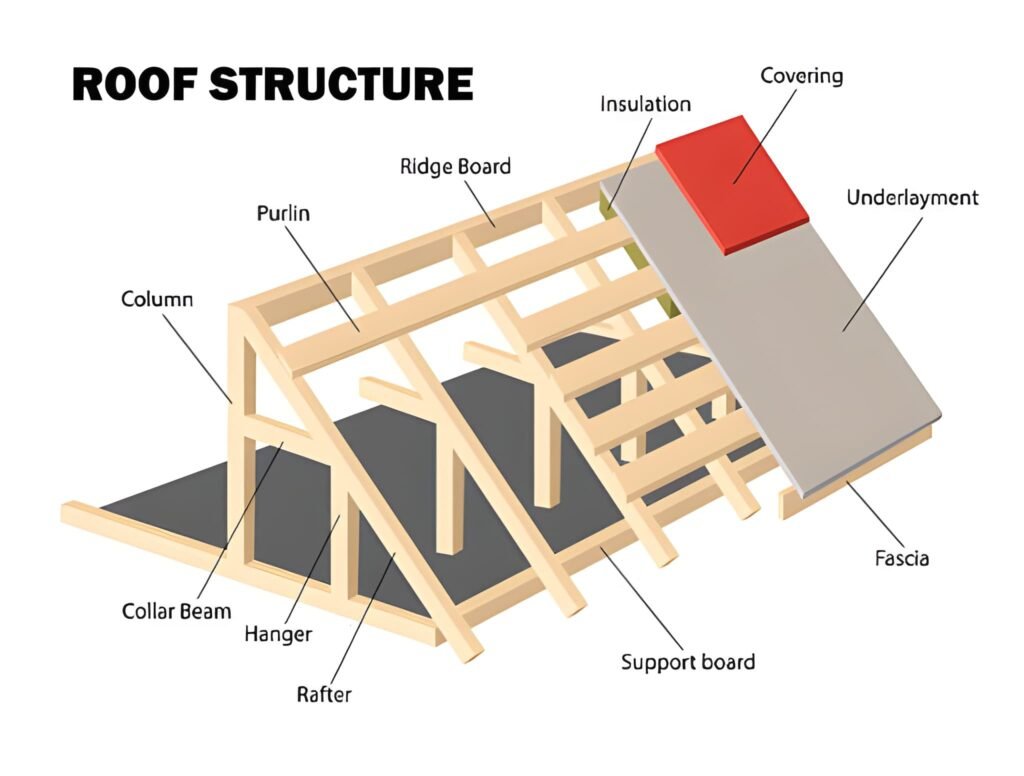
The A-frame house—where the roof structure serves as both the roof and the outer walls—is architecturally iconic but structurally demanding. These homes feature a roof pitch typically exceeding 10:12, making them non-walkable and highly complex to maintain. The primary repair challenge is not the complexity of the materials but the inherent difficulty and danger of accessing the structure.
In areas with heavy snow load, the A-frame's steep pitch is advantageous as it sheds snow efficiently. However, this same steepness mandates specialized fastening systems, continuous scaffolding, and stringent worker safety protocols, immediately elevating repair costs far above conventional roofing projects.
High Cost Driver: Access and Safety Premium
Labor accounts for the largest component of an A-frame roof repair budget. Traditional roofing labor rates assume a standard 6:12 pitch or less, allowing workers to move freely. The extreme pitch of an A-frame forces contractors to operate under a steep-slope premium, defined by the constant need for safety equipment.
Steep-Slope Labor Multipliers (H4)
The labor rate for a non-walkable roof can be **1.5 to 2.5 times** the standard rate. The added expense covers:
- Mandatory anchoring systems and harness work for all personnel.
- Extended time required for moving material up and down the pitch.
- The rental and setup of extensive scaffolding, which may take days to install and dismantle.
**Scaffolding and Mobilization:** The fixed cost for mobilizing specialized crews and setting up multi-story scaffolding for a full A-frame roof replacement often adds **$5,000 to $15,000** to the total project budget before any materials are laid. In comparison, a conventional roof might only require ladders and safety harnesses.
Material Selection: Longevity vs. Aesthetics
Material choice for an A-frame must prioritize durability and high-wind performance due to the roof's direct exposure. The material must also be approved for near-vertical application if the pitch is steep enough.
Comparison of Common A-Frame Materials (H4)
| Material Type | Average Material Cost (per sq. ft.) | Lifespan |
|---|---|---|
| Architectural Asphalt Shingles | $3.00 – $6.00 | 25 – 30 years. Widely available; requires precise installation due to pitch. |
| Standing Seam Metal Roof | $10.00 – $18.00 | 40 – 70 years. Excellent shedding capacity; superior wind and ice resistance. |
| Cedar Shakes/Shingles | $7.00 – $14.00 | 20 – 35 years. High aesthetic value; high maintenance; carries Class C fire rating risk. |
While cedar shakes offer the classic A-frame look, a **Standing Seam Metal Roof** is often the superior long-term investment. Its interlocking panels are structurally rigid, shedding water, snow, and ice perfectly, and they require minimal maintenance over a multi-decade life cycle, justifying the 3x higher initial material cost.
Vulnerability Points and Complex Flashing
Water penetration on an A-frame is most likely to occur where the seamless roof/wall line is interrupted by a change in geometry.
Ridge Line and Flashing Complexity
The Ridge Cap and Venting (H4)
The peak ridge line is where the two massive roof sections meet. It is the highest point of vulnerability, requiring durable, continuous metal ridge caps. Proper ventilation here is critical; many older A-frames relied on continuous ridge vents that may be compromised, leading to attic condensation, wood rot, and premature deck failure near the peak. Replacing a compromised ridge often involves major structural repair before capping.
Dormers and Skylight Joints (H4)
Any dormer or skylight window interrupts the long, steep plane. These joints are extremely difficult to flash correctly on a high pitch. Repairs in these areas are highly labor-intensive, requiring specialized step-flashing and counter-flashing that costs **$500 to $1,500 per penetration**, plus the cost of replacing the window or skylight if rot has already begun in the frame.
The Ice and Snow Guard Necessity
Due to the extreme pitch, large masses of snow and ice can slide off the roof without warning. This poses a major hazard to entryways, decks, and vehicles. Adding snow guards or ice retention systems is not just an accessory; it is a safety necessity. Installing these custom systems during replacement adds **$3 to $8 per linear foot** to the material and labor cost.
Interactive Cost Impact Estimator
Use this calculator to estimate the specialized cost of an A-frame roof replacement based on material and complexity (labor premium).
Input Project Variables (H4)
Note: One square equals 100 square feet.
Projected Repair Investment (H4)
Material & Standard Labor: $0
Steep-Slope/Access Premium: $0
Contingency Buffer (15%): $0
TOTAL ESTIMATED RANGE: $0
The estimated range represents the low and high end of the full project, including tear-off and disposal.
Valuation and Insurability Impact
For a potential buyer, the condition of the A-frame roof is the singular most important factor in valuation. The expense and difficulty of repair mean buyers immediately demand deep discounts if the roof is aging or shows visible defects.
Appraisal and Financial Risk
An aging or damaged A-frame roof presents an extreme risk to mortgage lenders. The steep pitch makes minor repairs more costly, often causing small leaks to escalate quickly. An appraiser will frequently condition a loan's approval on the repair or replacement of any roof older than 20 years or showing significant wear. Lenders often require a roof certification stating the remaining useful life exceeds five years.
Insurance and Longevity (H4)
Insurance companies assess A-frame properties for wind and hail risk, focusing on the roof material's resistance to blow-off. Upgrading to a metal roof, for instance, significantly enhances hail resistance and may qualify the home for **reduced premiums** due to its demonstrated resilience against catastrophic weather events common in US coastal or mountain regions. This resilience protects the owner's equity and makes the asset more marketable.
Return on Investment (ROI)
While roof replacement does not offer the immediate high ROI of a kitchen renovation, it offers the highest return on investment in structural integrity. A newly installed, warrantied roof neutralizes the primary financial risk of an A-frame home, ensuring the roof's lifespan is aligned with the typical ownership period of 10 to 15 years. This stability is directly reflected in the final sales price.