The Foundation Repair Guide: Strategic Planning for a 1,100 Sq Ft Home
Diagnosis, Engineering, and Cost Control for Your Home's Most Critical Structure
Foundation failure is arguably the most daunting and costly repair a homeowner faces. While smaller homes, such as a typical 1,100 square foot ranch or bungalow, generally require fewer support points than larger structures, the necessity of repair is equally urgent. Foundation shifting not only threatens the structural integrity of the house but also impacts every system it supports, from plumbing to electrical wiring. Approaching this project strategically, prioritizing proper diagnosis and engineering over quick fixes, protects your investment and ensures a lasting solution.
Contents: From Diagnosis to Restoration
1. Primary Causes of Foundation Failure
Foundation movement is almost always caused by changes in the soil beneath the structure, specifically relating to moisture content. A 1,100 sq ft home is susceptible to these same forces, often requiring fewer piers but demanding the same level of soil engineering expertise.
The Critical Role of Soil
In many US regions, especially those with clay-heavy soils (such as Texas or the Southeast), the soil absorbs water and swells during wet periods and shrinks drastically during drought. This constant volumetric change creates two main problems:
Hydrostatic Pressure and Movement
- Expansion (Heaving): Saturated clay soil expands, pushing upward on portions of the slab or footing.
- Contraction (Settlement): During drought, the soil dries out and pulls away from the footing, allowing the home's weight to push the foundation downward into the resulting void.
- Poor Drainage: Faulty or clogged gutters, improper grading, and landscaping that traps water near the foundation are the leading human-caused factors.
- Plumbing Leaks: A slow leak beneath the slab introduces constant moisture to the soil, causing localized, unpredictable heaving and shifting.
2. Recognizing Warning Signs in a Small Home
Foundation issues manifest through visible symptoms in the structure. Do not mistake these signs for typical home settling; they indicate active, destructive movement.
Interior and Exterior Clues
The entire structure acts as an indicator of movement. Pay close attention to these areas:
Interior Warning Signs
- Cracks in Drywall: Vertical cracks are usually minor, but **diagonal cracks** emanating from the corners of doors and windows, or running across the ceiling-wall junction, signal severe racking (twisting) due to uneven settlement.
- Doors and Windows Sticking: Doors that fail to latch, or windows that become difficult to open or close, indicate the frame is out of square due to foundation movement beneath that wall section.
- Sloping Floors: A noticeable slope or sag in the floor when walking across it indicates a severe change in elevation.
Exterior and Foundation Clues
- Exterior Brick or Masonry Cracks: Cracks that run diagonally and are wider at the top than the bottom (or vice versa) are classic signs of foundation settlement.
- Gap Between Garage Door and Driveway: Settlement often pulls the front of the home down, creating a pronounced gap.
- Visible Foundation Cracks: Cracks wider than 1/4 inch in the slab or basement walls require professional investigation.
3. The Imperative of Professional Diagnosis
Never rely on a contractor's assessment alone. The first step must be engaging a **Structural Engineer** who specializes in residential foundations.
The Engineer’s Role
A reputable foundation repair contractor provides the fix; the structural engineer provides the **diagnosis and the repair plan**. The engineer uses specialized equipment to measure and document the exact deviations in the foundation elevation, producing a CAD diagram that maps out the required pier locations and the necessary lift height.
- Elevation Survey: Measures the variance between the highest point of the foundation and the lowest point.
- Soil Report: While sometimes costly, a soil report clarifies the composition and depth of the stable strata, informing the type and depth of pier needed.
- Written Plan: The engineer provides a stamped plan that contractors must follow. This legally ensures the repair addresses the root cause, not just the symptom.
4. Permanent Repair Methods (Piers and Piling)
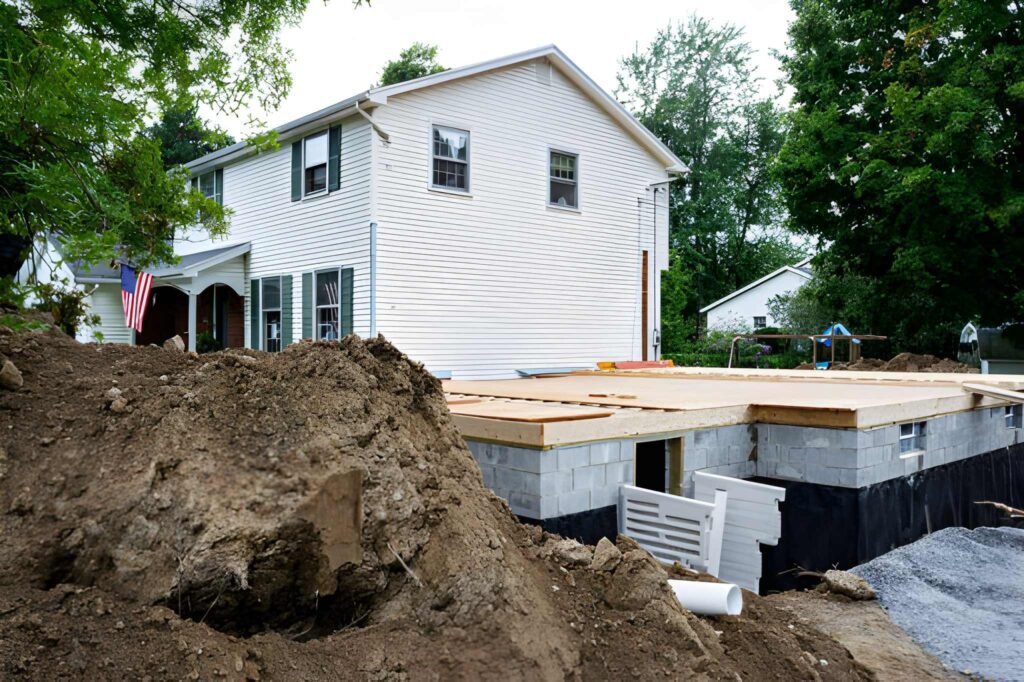
For smaller homes on unstable soil, the solution involves installing support structures (piers or piles) deep enough to anchor the foundation to stable, load-bearing strata.
Comparative Pier Systems
The choice of pier system often comes down to depth, soil stability, and contractor preference. For a 1,100 sq ft home, you might expect between 10 and 25 piers, depending on the severity and type of foundation (slab vs. perimeter footing).
| Pier Type | Installation Method | Cost/Stability Factor |
|---|---|---|
| Steel Push Piers | Hydraulically driven deep into the earth until they hit refusal (bedrock or stable soil). | High stability, most expensive. Excellent for deep, unstable clay. |
| Helical Piers | Screwed into the ground like a corkscrew. Primarily used for lighter loads or specialized locations. | Medium cost, good stability. Often used for porches or small additions. |
| Concrete Piling (Segmented) | Short concrete cylinders pushed into the ground one segment at a time until refusal. | Lower cost, widely used. Stability depends heavily on soil type. |
The Lifting Process
Once the piers are installed, hydraulic jacks simultaneously lift the home back to its original, level elevation (or as close as possible). The foundation is then permanently secured to the new piers via a steel bracket. This process requires precise monitoring to prevent damage to the upper structure.
5. Cost Expectations and Financial Strategy
Foundation repair is a capital expense, not a decorative one. Costs vary dramatically by region, soil type, and the number of piers required, but budgeting for a large expense is non-negotiable.
Estimated Cost Range (Total Project)
For a 1,100 sq ft home requiring structural stabilization, the total cost for the repair (excluding interior cosmetic fixes) typically ranges from $8,000 to $25,000, depending on the pier system chosen. Perimeter repair is generally less expensive than repairing an entire interior slab.
Cost Per Pier (Excluding Engineering)
A common method of estimating cost is based on the number of piers required, with average per-pier installation costs falling into this range:
- Concrete Piling: $400 to $800 per pier.
- Steel Push Piers: $900 to $2,000 per pier.
Remember to factor in the separate cost of the structural engineering report, which typically runs between $500 and $1,500.
Financing and Warranty
Ensure the contractor provides a transferable **Lifetime Warranty** on the installed piers. This is a standard in the industry and is critical for future resale, offering proof that the repair is permanent. Financing options often include specialized repair loans or utilizing a Home Equity Line of Credit (HELOC).
6. Long-Term Prevention and Maintenance
Once the foundation is stabilized, managing soil moisture is the best preventative strategy against future movement.
Moisture Management Checklist
- Grade Correction: Ensure the ground slopes away from the foundation on all sides. Water must drain outward, not pool against the structure.
- Gutter Maintenance: Clean gutters regularly and use downspout extensions to direct water flow at least 5 feet away from the foundation perimeter.
- Landscaping: Avoid planting large trees or thirsty shrubs (like hydrangeas) immediately adjacent to the foundation. Their roots actively seek and remove water from the critical zone beneath the slab.
- Seasonal Watering (Clay Soil): During prolonged drought, homeowners in clay regions may need to implement a soaker hose system around the perimeter to introduce controlled, consistent moisture, preventing the clay from shrinking and causing settlement.