Post-Closing Ownership & Capital Planning
The New Homeowner's 90-Day Repair Strategy: Triage, Budget, and Execution
The period immediately following closing is often chaotic, yet it offers the best opportunity to address residual inspection concerns and leverage seller-provided assurances. A strategic 90-day repair plan focuses capital on preventing catastrophic failures, maximizing energy efficiency, and executing necessary maintenance before costly cosmetic upgrades begin. This disciplined approach ensures your home remains a secured asset from day one.
Article Contents
1. The Strategic 90-Day Repair Window
Divide the first three months of homeownership into distinct phases focused on triage, functional integrity, and long-term planning. This structure prevents panic spending and ensures critical systems are addressed first.
Phase 1: Immediate Triage (Days 1–30)
This phase concentrates solely on health, safety, and security. Repairs here are mandatory and cannot be deferred.
- Safety Systems: Ensure all smoke detectors, carbon monoxide alarms, and electrical panel integrity are verified (especially GFCIs in wet areas).
- Structural Compromise: Repair active roof leaks, major electrical hazards (frayed wiring, improper grounding), and any functional plumbing leaks that could lead to water damage or mold.
- Security: Change all locks immediately. Re-keying is inexpensive and essential for establishing secure occupancy.
Triage Cost Example: Emergency plumbing leak repair and re-keying typically range from $350 (locks) to $1,500 (plumbing). Budget for the worst-case scenario.
Phase 2: System Optimization (Days 31–60)
With immediate safety risks managed, the focus shifts to mechanical efficiency and preventing future high-cost failures. These repairs preserve the longevity of major components.
- HVAC Maintenance: Schedule professional tune-ups for the furnace and air conditioner/heat pump. Repair any failed capacitors or faulty sensors. This is preventative maintenance that maximizes the life of the compressor.
- Water Management: Clean gutters, extend downspouts, and correct minor exterior grading issues to divert water away from the foundation. Water intrusion is the most common cause of deferred structural damage.
- Appliance Repair/Replacement: Address any appliances noted in the inspection report (e.g., failed water heater element, non-functional dishwasher) before they become daily liabilities.
Phase 3: Financial & Cosmetic Integration (Days 61–90)
The final phase involves transitioning from required repairs to strategic cosmetic improvements and long-term capital planning. This is when the capital reserve plan formalizes.
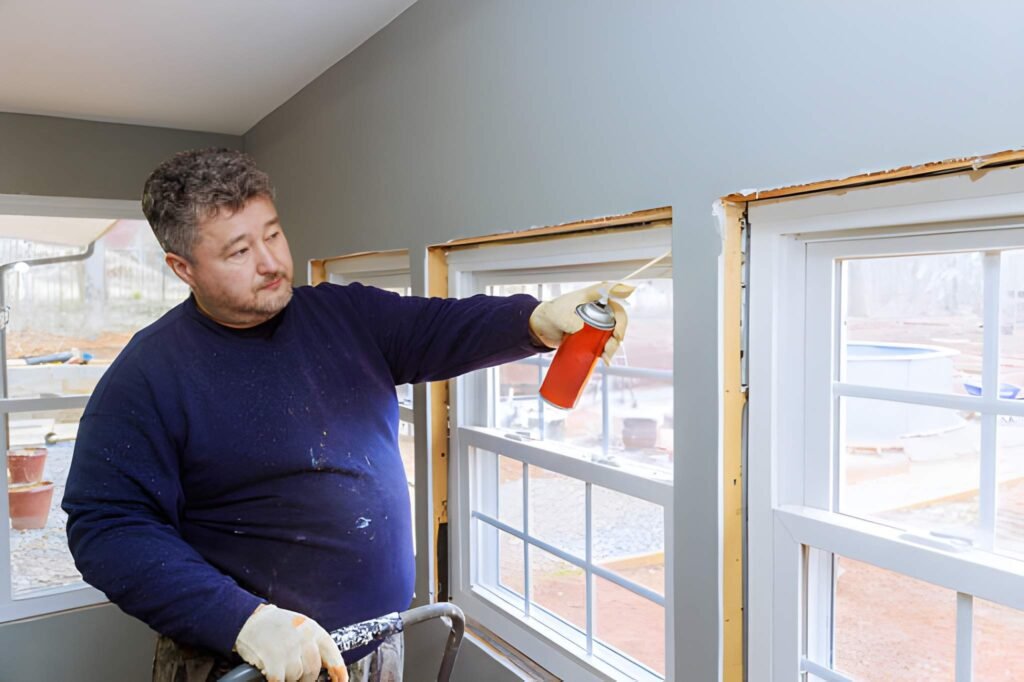
- Energy Envelope: Seal air leaks around windows and doors with caulk or weather stripping. This is a low-cost repair with immediate utility savings.
- Paint and Surface Repairs: Begin cosmetic work, such as patching holes in drywall or applying interior paint. These non-structural improvements personalize the space and generate the highest perceived value.
- Capital Reserve Plan: Create a detailed 1-year and 5-year repair schedule, earmarking monthly savings for large future expenses (roof replacement, exterior paint, new appliances).
2. Leveraging Warranties and Guarantees
The 90-day window is critical for utilizing any short-term coverage provided during the sale. Failure to report issues within this timeframe can permanently void claims.
The Home Warranty Policy (Typically 1 Year)
If a seller provided a home warranty, activate the policy immediately. Most standard home warranties cover the repair or replacement of major systems (HVAC, plumbing, electrical, appliances) that fail due to normal wear and tear. Key steps:
- Document Existing Defects: Review the inspection report against the warranty coverage. The policy generally covers *failures*, not *pre-existing defects*.
- File Claims Promptly: If a covered appliance or system fails in the first 90 days, file the claim immediately. Document the date of failure and the necessary service fee (deductible).
Seller Disclosures and Repair Guarantees
If the seller executed specific repairs as part of the purchase agreement, demand invoices and transferable warranties from the contractors who performed the work. If a newly replaced roof or HVAC component fails shortly after closing, the liability rests with the installer, not the new homeowner.
New homes often come with a 1-year general warranty covering materials and workmanship. The 90-day mark is an excellent time to prepare a "punch list" of all minor cosmetic and functional issues (sticky doors, minor drywall cracks) to submit to the builder before the one-year structural warranty period expires.
3. Cost Analysis: Prioritizing the First Three Months
The total repair cost budget for the first 90 days should be a blend of immediate needs and a contingency reserve. The goal is to spend capital only where required to maintain functional integrity.
Cost Hierarchy: Structure Over Surface
When prioritizing capital, use this financial hierarchy. Spending money on Level 3 before Level 1 is a financial mistake that exposes the asset to significant risk.
| Level | Priority Category | Typical Cost Range |
|---|---|---|
| Level 1 (Immediate) | Safety, Security, and Active Damage (Roof Leak, Electrical Hazard) | $500 – $4,000+ |
| Level 2 (Essential) | System Longevity and Water Mitigation (HVAC tune-up, Gutter Repair) | $250 – $1,500 |
| Level 3 (Deferred) | Aesthetics, Cosmetic Upgrades (Paint, Landscaping, Non-critical fixtures) | Variable, often budgeted monthly |
Budgeting the Unexpected: The Contingency Reserve
Even after closing, it is unwise to deplete all savings. Maintain a repair contingency fund equivalent to **1% to 2% of the home's purchase price** specifically for major, sudden failures that occur in the first year (e.g., water heater rupture, HVAC compressor failure). This fund allows the homeowner to execute necessary repairs without incurring high-interest debt.
4. Funding the First 90 Days of Repairs
Homeowners often utilize several financing strategies for repairs, depending on the scale of the required work.
Closing Cost Credits
If the buyer negotiated a cash credit from the seller at closing (often called a repair allowance or credit for closing costs), this capital should be prioritized for Level 1 and Level 2 repairs. This is the most efficient funding source as it involves no interest.
Home Equity Line of Credit (HELOC)
For large, unexpected expenses discovered in the 90-day window (e.g., a foundation issue not fully documented), a HELOC or home equity loan may be utilized. However, tapping into equity this early should be reserved only for vital structural or safety repairs that exceed the cash reserve.
Insurance Claims
Verify if any sudden, severe damage—such as hail damage or a burst pipe—is covered by the new homeowner's insurance policy. The first 90 days are ideal for filing claims while the property's condition and history are still fresh.
5. Interactive Repair Priority Matrix
Use this tool to help categorize and budget for the five most critical repairs identified in your inspection report during the 90-day window, estimating the cost and assigning the correct priority level.
This figure represents the total cash required for these prioritized repairs.
Securing Your Future: Planning Beyond 90 Days
The 90-day repair period is less about achieving perfection and more about establishing control. By systematically addressing safety hazards and functional defects, you minimize unforeseen costs, maximize the effectiveness of home warranties, and build the confidence necessary for responsible, long-term homeownership. Treat the inspection report as your initial maintenance schedule, and treat your repair budget as your insurance policy against future financial surprises.