Managing the Mid-Life Crisis: Essential Repairs for a 20-Year-Old House
A comprehensive financial and structural roadmap for homes entering the critical 20-year replacement cycle in the US housing market.
Table of Contents
The 20-Year Replacement Cliff: System Failures
A house built 20 years ago now faces a predictable phase of significant capital expenditure. Unlike a five-year-old home that requires cosmetic updates, the 20-year milestone marks the end of the functional lifespan for major mechanical and structural components originally installed by the builder. Homeowners must anticipate and budget for these "replacement cliff" items to avoid costly emergency repairs that destroy cash flow.
The total cost of managing this replacement cycle typically runs between $30,000 and $70,000 over a five-year period, varying by region and component quality.
HVAC System: Guaranteed Obsolescence
The heating, ventilation, and air conditioning (HVAC) system is one of the most expensive mandatory replacements. Most mid-range residential air conditioning units and furnaces carry an estimated effective lifespan of 15 to 25 years. At 20 years, systems are operating far past peak efficiency, resulting in higher utility bills and an elevated risk of catastrophic failure.
Cost of HVAC Replacement (H4)
Replacing an entire HVAC system (furnace and air conditioner/heat pump) requires specialized labor and permitting. Costs vary significantly based on regional labor rates and the SEER rating of the new unit.
| Component | Average US Replacement Cost | Notes |
|---|---|---|
| Central AC Unit (Full) | $4,500 – $8,500 | Includes condenser, coil, and labor. High-SEER units are pricier but yield long-term energy savings. |
| Gas Furnace/Air Handler | $3,500 – $7,000 | High-efficiency models (95%+ AFUE) often require updated venting. |
| Total HVAC System | $8,000 – $15,000+ | Combined cost often includes minor ductwork remediation. |
Delaying this repair is a false economy. An unplanned summer AC failure can lead to emergency service charges that are hundreds of dollars higher than scheduled maintenance, in addition to the rush fee for installation.
Roof and Exterior Envelope Integrity
The asphalt shingle roof installed 20 years ago is nearing the end of its life, especially if the house is in a region prone to high heat, high winds, or freeze-thaw cycles. Roof failure is insidious; it begins with granular loss and subtle shingle curling, quickly leading to wood deck rot and interior ceiling damage.
Cost of Roofing Replacement (H4)
Roofing costs are primarily calculated by square footage and complexity (pitch, number of valleys). The estimate must include disposal fees and the replacement of saturated decking or flashing.
The average cost to replace an asphalt shingle roof on a standard 2,000 sq. ft. home ranges from **$8,000 to $15,000**. If the house requires tearing off multiple layers or replacing structural decking, the upper cost threshold increases significantly.
Exterior Sealing and Caulking (H4)
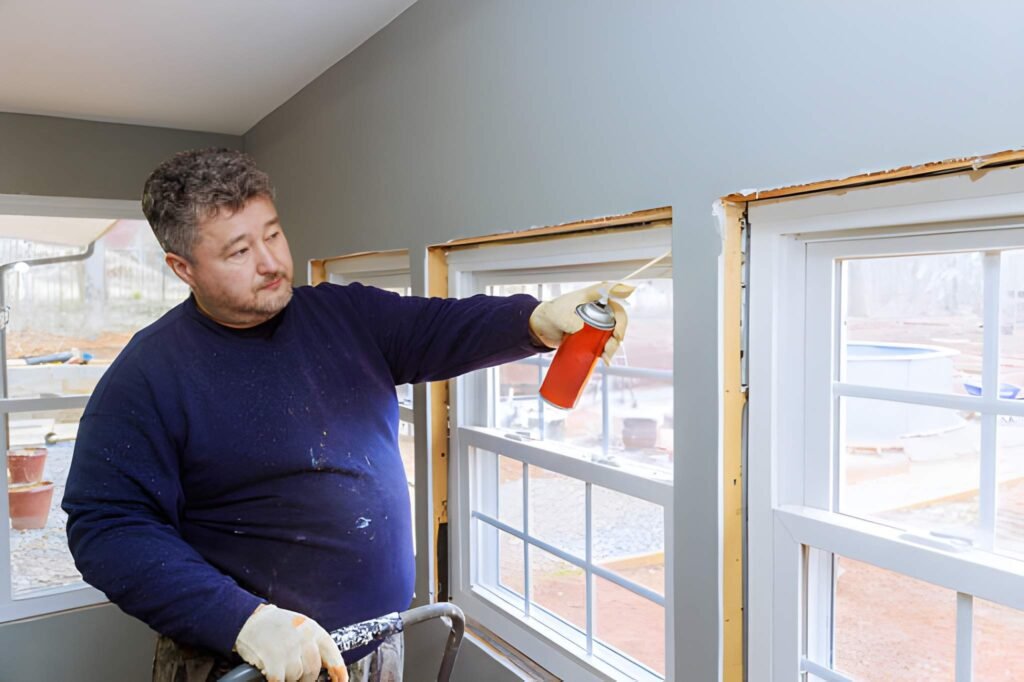
The exterior envelope relies on continuous caulking around windows, doors, and trim. This sealant degrades and shrinks, leading to water intrusion that causes window frame rot and interior mold. Recaulking the entire exterior envelope is a preventive repair costing approximately **$500 to $1,500**, but saves thousands in future water damage mitigation.
Plumbing, Water Heater, and Appliance Lifecycles
While major plumbing stacks (copper, PEX) may last much longer, components that contain moving parts or are under constant thermal stress require attention.
The Water Heater Risk (H4)
Conventional gas or electric storage tank water heaters generally last 10 to 15 years. A 20-year-old water heater is operating on borrowed time. Failure is sudden and often results in massive basement or utility room flooding, leading to thousands in water damage remediation. Replacing a standard water heater costs between **$1,200 and $2,500**, while upgrading to a tankless system costs **$3,500 to $5,000+**.
Appliance Failure and Leakage (H4)
Most built-in appliances (dishwasher, washer, refrigerator) last 10 to 15 years. Failures here are disruptive and pose a major risk: a leaking dishwasher or washing machine hose can flood a kitchen or laundry room. Budgeting **$5,000 to $10,000** for proactive replacement of kitchen appliances and major laundry units is a strategic move to control both repair costs and aesthetic value.
Hidden Costs: Deferred Maintenance Traps
Beyond the primary mechanical systems, several smaller, often-ignored elements of a 20-year-old home carry disproportionate financial risk if deferred.
Attic, Ventilation, and Insulation Check
Twenty-year-old insulation may have settled or suffered damage from pests or improper ventilation. A home energy audit reveals air leaks and inadequate R-value, addressing which improves comfort and drastically lowers energy bills. Attic ventilation checks are essential; improper venting can lead to excessive heat buildup and premature roof failure.
- Insulation Upgrade (Blown-in): $1.50 – $3.50 per square foot.
- Air Sealing (Weatherstripping/Caulking): $500 – $1,000.
Siding and Trim Remediation
Exterior wood trim or fiber cement siding typically needs major painting or sealing maintenance around this time. Look for evidence of wood rot (soft, spongy areas) near the ground or around window sills. Replacing rotted fascia or trim costs **$15 to $35 per linear foot**, labor included, and is mandatory before exterior painting occurs.
Sewer Line and Drainage Inspection
Cast iron or clay sewer lines, common 20 years ago, are susceptible to root intrusion or corrosion. Investing **$300 to $600** in a sewer camera inspection is cheap insurance against a total main sewer line replacement, which can cost **$10,000 to $25,000** if excavation is required.
Interactive Priority Cost Estimator
Use this tool to aggregate the anticipated costs of your home’s 20-year replacement cliff based on regional labor assumptions.
Select Replacement Projects (H4)
Projected Repair Investment (H4)
Total Low Estimate: $0
Total High Estimate: $0
PROJECTED 5-YEAR BUDGET: $0
Costs are national averages and exclude potential structural discoveries.
Protecting Equity: Valuation and Financing Strategy
The status of a home's major systems impacts its market value directly. A house where the major replacement cycle has been ignored sells at a discount. Buyers factor in the immediate expense of a new roof, HVAC, and water heater, demanding a price reduction equal to 1.5 to 2 times the actual repair cost to offset the risk and inconvenience.
ROI of System Upgrades
Investing in high-ticket replacements often yields excellent returns, especially when selling. A new roof, for instance, typically recoups 60% to 70% of its cost in sale price, far exceeding the ROI of purely cosmetic updates in a 20-year-old home. Moreover, new high-efficiency HVAC systems are a major selling point, immediately attracting energy-conscious buyers and reducing ownership costs for the seller.
Key Valuation Impacts (H4)
- Appraisal Risk: An aging roof or HVAC unit noted by the appraiser can trigger mandatory escrow holdbacks or condition the loan approval, especially for FHA or VA financing.
- Warranty Transfer: New systems come with transferable warranties (typically 10 years for HVAC, 30 years for roofing). This peace of mind justifies a higher price point for buyers.
- Energy Efficiency: Upgrading 8 SEER AC to 16 SEER AC can cut cooling costs by 50% or more, an immediate, measurable benefit.
Financing the Replacement Cliff
Homeowners facing multiple large repairs should explore financing options beyond credit cards or emergency funds:
- Home Equity Line of Credit (HELOC): Uses the home's equity to provide flexible, low-interest funding for multiple repairs over time.
- FHA 203(k) Loan: Ideal for buyers purchasing a 20-year-old house, as it bundles the cost of rehabilitation (e.g., roof, HVAC) into the primary mortgage.
- Energy Efficient Mortgages (EEMs): Specifically finance energy-saving upgrades like insulation and high-efficiency HVAC based on the expected utility savings.
Proactive management of the 20-year replacement cycle shifts these inevitable costs from a disruptive crisis to a controlled, value-enhancing investment, ensuring the home remains competitive and structurally sound.