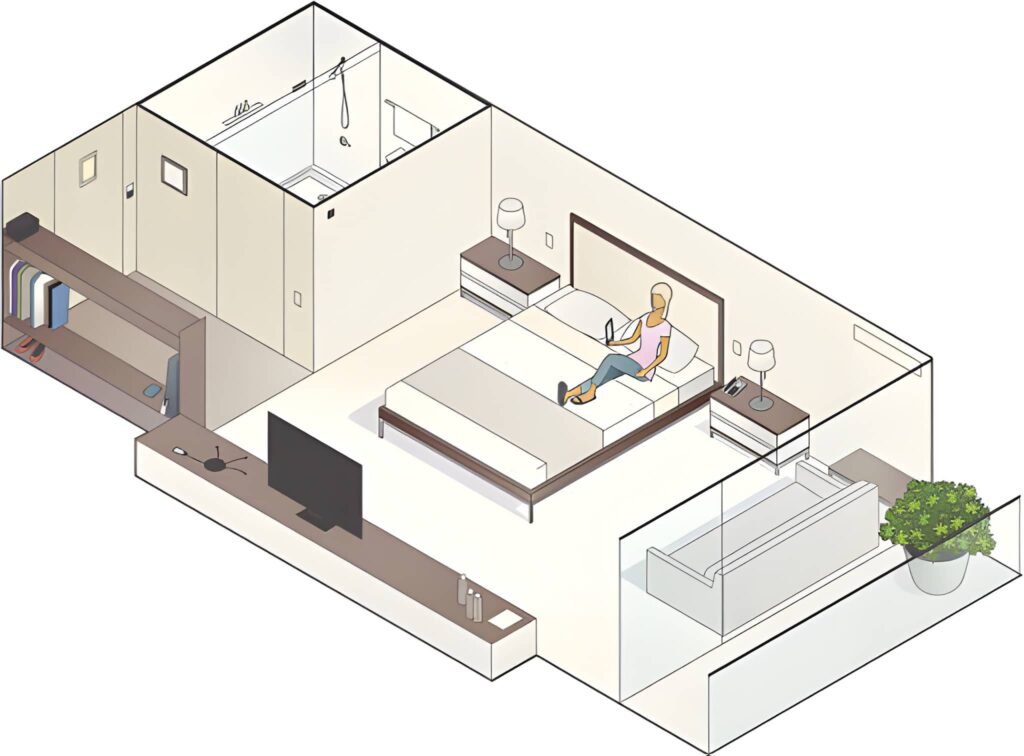
The one-bedroom apartment is a universal urban dwelling, a compact canvas that demands a sophisticated approach to interior design. The challenge and the opportunity lie in its scale. This is not a realm for excess or for merely replicating the rooms of a larger home. Successful one-bedroom design is an exercise in curation, spatial illusion, and functional layering. It requires a philosophy where every object, every color, and every piece of furniture must justify its presence not only aesthetically but also operationally. The goal is to create a sense of expansive comfort and refined personality within a limited footprint.
This is achieved by moving beyond mere decoration and embracing architectural and psychological principles that enhance the perception of space, light, and order.
The Foundational Strategy: A Unified Spatial Narrative
Before selecting a single item, the overarching strategy must be to create a cohesive and flowing environment. The traditional model of treating each room as a separate entity fails in a small space, creating visual clutter and a sense of confinement.
- A Cohesive Color Palette: The most powerful tool for unifying a space is a restrained, monochromatic or analogous color scheme. This does not mean a sterile, all-white box. It means selecting a primary neutral (e.g., a warm white, a light grey, or a soft beige) and using it on walls, ceilings, and major furniture pieces. One or two accent colors can then be introduced through textiles, art, and decor. This continuity allows the eye to travel smoothly through the space, making it feel larger.
- Consistent Flooring: Using the same flooring material throughout the entire apartment—especially from the living area into the bedroom—eliminates visual breaks and creates a seamless flow. Light-toned, wide-plank wood or laminate is ideal for enhancing the sense of space and reflecting light.
- The Sightline Principle: Arrange furniture to preserve long, unobstructed sightlines from the entryway through the living area and, if possible, to a window. This deep perspective is a psychological cue for spaciousness.
The Living Area: The Multi-Functional Heart
The living room must often perform as a lounge, a dining room, and a home office. This requires furniture that is both sculptural and supremely functional.
- The Scale-Down Sofa: Avoid overstuffed, deep-sectional sofas. Opt for a sofa with a clean profile, raised legs (to create a sense of airiness), and a depth that is comfortable but not space-consuming. A two-seater or a small, apartment-scale three-seater is often sufficient.
- The Disappearing Dining Table: A wall-mounted drop-leaf table or a small, round pedestal table that can be tucked into a corner serves perfectly for daily meals and can be expanded for guests. Alternatively, a narrow console table against a wall can double as a dining surface with the use of stools that slide underneath.
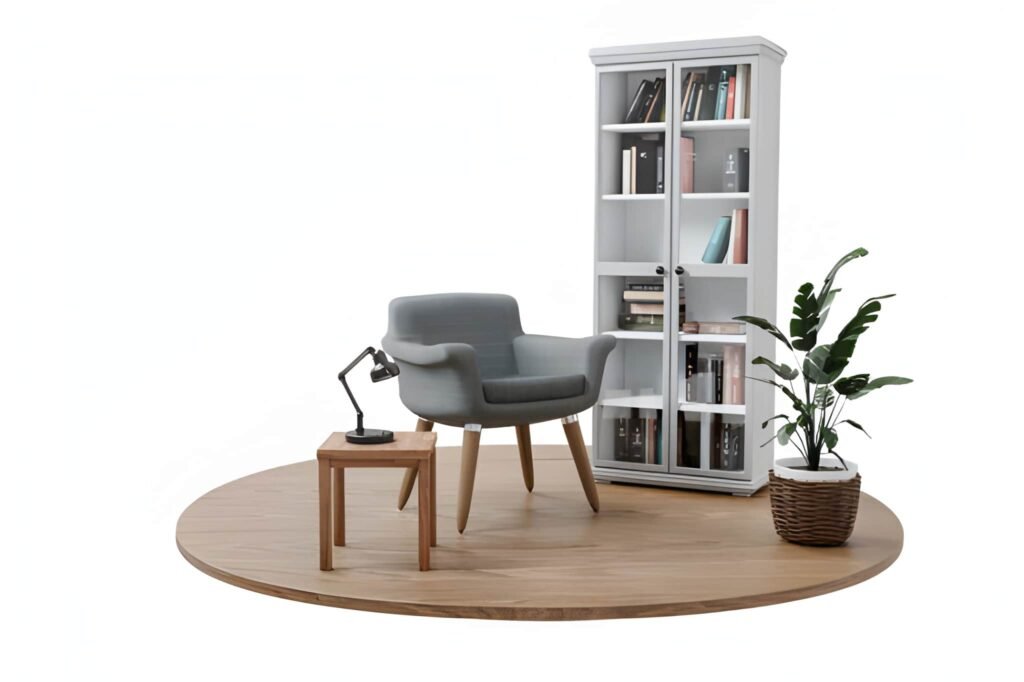
- Vertical Storage: Replace bulky bookcases with floating shelves. They provide display and storage without consuming floor space, drawing the eye upward and emphasizing vertical space.
- Strategic Lighting: Abandon the single, harsh overhead light. Create a “lighting layer” with a combination of:
- Ambient: A single, stylish pendant or flush-mount light.
- Task: A floor lamp arching over the sofa for reading.
- Accent: A small table lamp on a console or LED strips on floating shelves.
The Bedroom: The Sanctuary Within a Sanctuary
The bedroom’s primary function is rest, and its design should actively promote a calm, uncluttered environment.
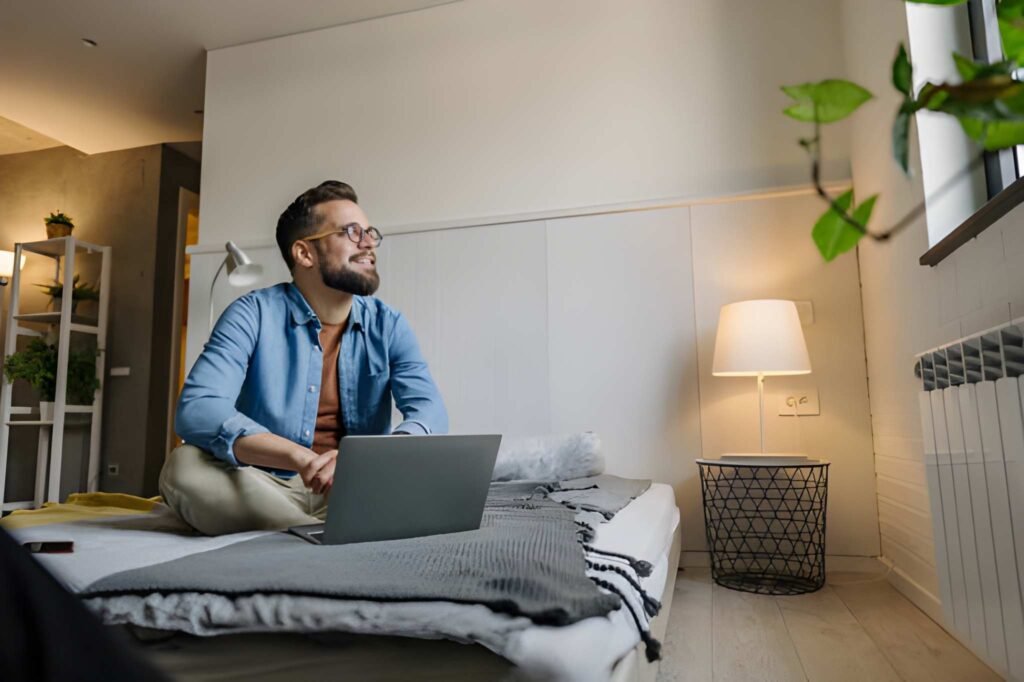
- The Low-Profile Bed: A platform bed with a low headboard, or even no headboard, maintains a lower visual center of gravity, making the ceiling feel higher. The space underneath can be used for shallow storage bins.
- Replace Nightstands: Instead of two bulky nightstands, use wall-mounted shelves, a single small floating cabinet, or even a slender shelf that runs the width of the headboard wall. This frees up floor space.
- The “Closet-As-A-Room” Mentality: If the bedroom has a closet, treat it as a primary design element. Use an organized system with matching hangers. Consider replacing a solid door with a frosted glass or woven sliding door to add texture and visual depth without the visual weight of a swinging door.
- Textural, Monochromatic Scheme: Layer textures (linen, wool, velvet) in a tight color family rather than using multiple colors. This creates a rich, sensory experience that feels intentional and serene, not busy.
The Kitchen and Entryway: Maximizing the Margins
These transitional spaces are often neglected but are critical to the overall feeling of order.
- The Kitchen:
- Visual Cohesion: Use a countertop dish rack and utensil crocks to reduce visual clutter. Store small appliances behind cabinet doors.
- Open Shelving (Sparingly): One or two open shelves can display beautiful dishware, making the kitchen feel more personal and open, but too much becomes chaotic.
- Reflective Surfaces: A glass or glossy tile backsplash reflects light and adds depth.
- The Entryway: Create a designated “landing strip” even in a tiny foyer. A shallow console table with a drawer for keys, a mirror above to reflect light and check your appearance, and a single, stylish hook for a daily-use bag or coat prevents clutter from spilling into the living area.
The Illusionist’s Toolkit: Advanced Techniques
- Mirrors as Architecture: Do not just hang a small mirror. Use a large, leaning floor mirror or a wall-sized mirror to double the visual space and light in a room. Place it opposite or adjacent to a window for maximum effect.
- Curtains to the Ceiling: Hang curtain rods several inches above the top of the window frame, extending all the way to the ceiling. This draws the eye up and makes windows appear larger. Use light, flowing fabrics.
- Furniture with Exposure: Choose sofas, chairs, and tables with visible legs. This transparency allows light to pass underneath and makes the floor plan appear more expansive than if filled with solid, heavy blocks.
The ultimate goal of one-bedroom apartment design is not to make it feel like a larger home, but to make it feel like the perfect, most intentional version of itself. It is a exercise in refining your possessions and your aesthetic to their purest form. The result is a home that is not defined by its square footage, but by its clarity, comfort, and profound sense of personal style—a true sanctuary that is both efficient and inspiring.