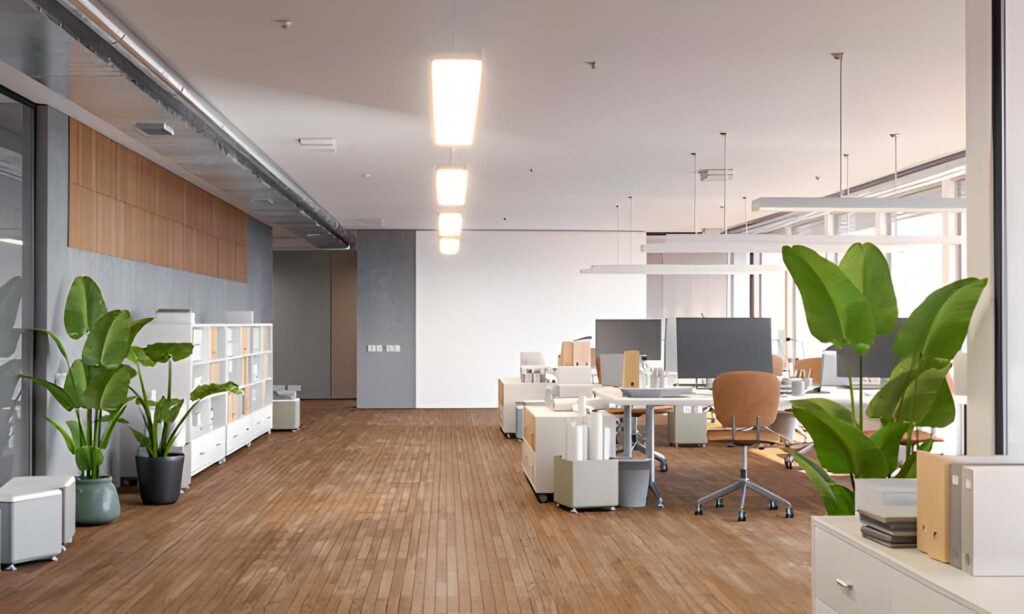
Office interior design has shed its former skin of beige cubicles and fluorescent glare. It is no longer a discipline concerned solely with fitting the maximum number of desks into a floor plate. Today, it is a strategic tool for shaping culture, fueling productivity, and attracting talent. The modern office is a dynamic ecosystem, a physical manifestation of a company’s values and operational rhythm. Its design is a careful calibration of acoustics, light, space, and technology, all working in concert to support the diverse ways people work in the 21st century.
The goal is to move beyond aesthetics and create an environment that is both highly functional and authentically human-centric. This requires a deep understanding of how work actually happens—the collaborative bursts, the periods of deep focus, the informal exchanges that spark innovation, and the need for respite.
The Foundational Principles: The “Why” Before the “What”
Before selecting a single paint color or furniture piece, a successful design is built on a core set of principles.
- Activity-Based Working (ABW): This is the dominant philosophy. It rejects the notion of a one-size-fits-all workspace. Instead, it provides a diverse portfolio of settings tailored to specific tasks. Employees are empowered to choose the right environment for the work they are doing at any given moment, rather than being tethered to a single assigned desk.
- Biophilic Design: This is the intentional connection to nature. It is not merely adding a few plants; it is a fundamental integration of natural elements to reduce stress, enhance cognitive function, and improve well-being. This includes maximizing access to natural light, using natural materials like wood and stone, incorporating living walls, and providing views of the outdoors.
- Acoustic Control: In an open, collaborative environment, noise is the primary antagonist to productivity. Effective design must strategically manage sound through a layered approach: absorbing it at the source (acoustic panels on ceilings and walls), blocking it (privacy booths, high-backed seating), and masking it (sound masking systems that emit a gentle, neutral background hum).
The Zoning Framework: Designing for the Rhythm of Work
An ABW approach translates into a floor plan composed of several distinct, purpose-built zones.
- The Focus Zone: This is the sanctuary for deep, uninterrupted work. It is characterized by quiet and visual privacy.
- Elements: Sound-proof phone booths or focus pods, library-style carrels, small individual rooms with doors, and high-walled cubicles.
- Considerations: Ample task lighting, minimal visual distractions, and reliable power and data ports.
- The Collaboration Zone: This is the engine of teamwork, designed for spontaneous and scheduled interaction.
- Elements: Open meeting areas with comfortable, flexible seating; writable walls (whiteboards or glass); high-top tables for quick stand-up meetings; and project rooms with integrated technology for videoconferencing and screen sharing.
- Considerations: Robust Wi-Fi, easy-to-use technology, and vibrant, energizing colors or textures.
- The Social & Community Zone: This is the “heart” of the office, fostering the informal connections that build culture.
- Elements: A well-designed cafe or kitchen with ample seating, comfortable lounge furniture, game tables, and a layout that encourages serendipitous encounters.
- Considerations: Located centrally, often near the main entrance. Should feel distinctly different from work zones—warmer, more residential.
- The Anchors: Dedicated Desks & Team Areas: While hot-desking is common in pure ABW, many offices use a hybrid model.
- Elements: Adjustable-height desks, ergonomic chairs, and personalized storage for employees who require a fixed base. These areas should be organized in neighborhoods to maintain team cohesion.
| Zone Type | Primary Purpose | Key Furniture & Features | Acoustic Strategy |
|---|---|---|---|
| Focus Zone | Deep, individual work | Phone booths, focus pods, library carrels | Soundproofing; absorption and blocking |
| Collaboration Zone | Teamwork, brainstorming | Writable walls, flexible seating, project rooms | Absorption (panels) and masking; some visual privacy |
| Social/Community Zone | Informal connection, breaks | Cafe seating, lounge furniture, games | Absorption (soft surfaces) and masking; energetic ambiance |
| Anchored Desking | Individual task work, team identity | Adjustable desks, ergonomic chairs, lockers | Absorption (ceilings, panels) to create a “hum” |
The Material and Sensory Palette
The selection of materials directly impacts the feel and function of the space.
- Flooring: A mix is ideal. Durable, easy-to-clean carpet tiles with high acoustic ratings in work areas; polished concrete or luxury vinyl plank in social areas for a more energetic feel; and warm wood in focus zones to add warmth.
- Furniture: Ergonomics is non-negotiable for task chairs and desks. Beyond that, furniture should be modular and reconfigurable to allow the space to evolve. Quality and durability are more important than trendy designs.
- Lighting: The hierarchy is crucial. Natural light is the top priority, with workspaces placed along the perimeter. Ambient lighting should be indirect and warm to avoid glare. Task lighting at each desk gives employees individual control. Lighting should be tunable, able to shift color temperature from energizing cool white in the morning to calming warm white in the afternoon.
The Technology Integration
Technology must be seamless and intuitive. It is the nervous system of the modern office.
- Wireless First: A robust, secure Wi-Fi network is the foundation.
- Power Access: Ample and accessible power is critical. This includes outlets at desks, but also in collaboration and social zones—integrated into floors, furniture, and walls.
- AV & Conferencing: Video conferencing capabilities should be embedded in collaboration spaces, from large project rooms to small huddle booths, with a consistent and simple user interface.
Office interior design is the practice of building a tool for human potential. It is not about creating a perfect, static photograph, but a resilient, adaptable environment that supports the messy, creative, and collaborative process of work. The most successful designs are those that feel less like an office and more like a well-equipped, comfortable, and inspiring habitat for a company’s most valuable asset: its people.