
A 20,000 square foot retail space is not merely a store; it is a commercial anchor. In a major metropolitan area, this footprint is home to mid-sized grocery chains, large furniture showrooms, or specialty fitness centers. In the context of Toledo, Ohio—a post-industrial city characterized by affordable real estate and a fiercely loyal, value-conscious population—a 20,000 sq ft vacancy represents a significant opportunity and a substantial challenge. The success of a venture at this scale is less about a clever concept and more about a fundamental alignment with the city’s economic drivers, demographic realities, and evolving retail landscape. This is a real estate decision that requires thinking like a developer, not just a shopkeeper.
Toledo’s retail market is bifurcated. It features strong, stable corridors alongside areas struggling with vacancy, a result of decades of suburban migration and the decline of traditional manufacturing. A 20,000 sq ft space must be analyzed not in isolation, but as a pivotal piece within a specific trade area.
Location Analysis: The Tale of Two Toledos
The viability of a 20,000 sq ft space is entirely dependent on its location within the greater metro area.
- The I-475/Alexis Road Corridor (Suburban Power Center): This is the primary retail hub of the region, featuring Franklin Park Mall and dense concentrations of big-box and national chain retail. A 20,000 sq ft space here would command premium rents but exists in a highly competitive environment. It is best suited for a national or strong regional brand with significant marketing power. The customer base is broad, drawing from the entire metro area and into Michigan.
- The Secor Road Corridor: Another strong, established retail strip with a mix of national and local tenants. It serves a dense residential population and the University of Toledo community. A space here could support a large-scale service retail concept that benefits from high daily traffic counts.
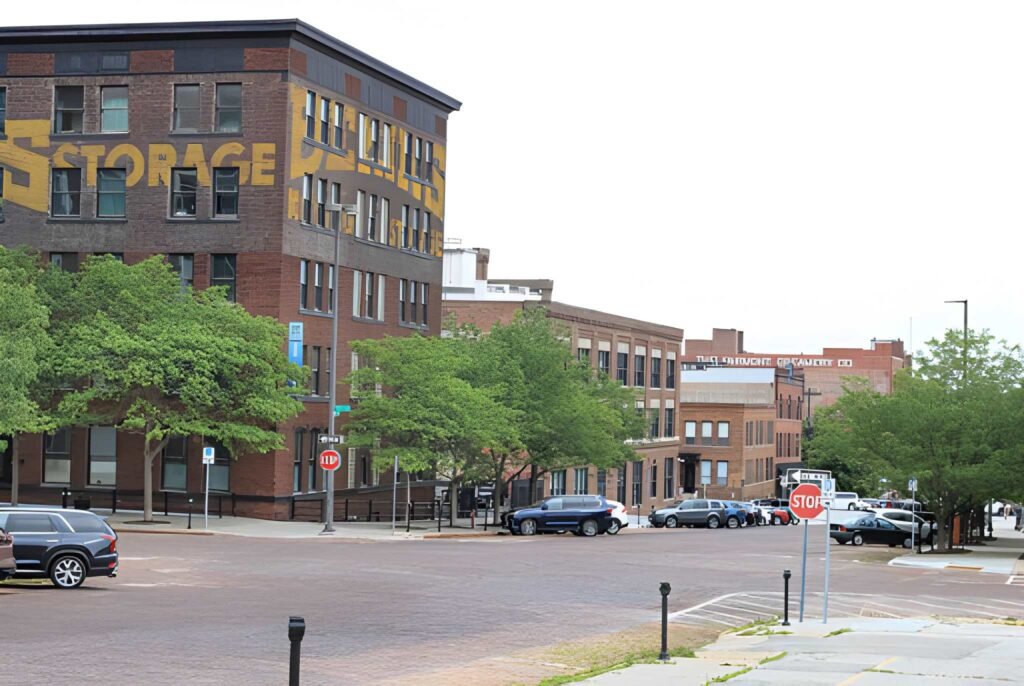
- Downtown Toledo & The Waterfront: This area is in a state of active, though cautious, reinvention. A 20,000 sq ft space downtown is a statement. It would suit a user seeking to be part of the city’s cultural and economic resurgence—perhaps a flagship entertainment venue, a food hall, or a large-scale experiential retailer. The trade-off is a less proven retail market and a reliance on event-driven and daytime office traffic, though the residential base is growing.
- Neighborhood Corridors (e.g., Sylvania Avenue, Airport Highway): These locations serve established, loyal neighborhood trade areas. A 20,000 sq ft space here could become a community anchor, but the concept must be a daily or weekly necessity for the surrounding population. Vacancies in these areas can represent a value opportunity for the right user.
The Business Concept: Scale and Community Need
A 20,000 sq ft space demands a business model that can generate substantial revenue. It is too large for a simple boutique and too small for a category-killer like a Home Depot. The sweet spot lies in concepts that combine extensive inventory with experience or service.
- The Mid-Market Grocer or Specialty Food Hall: Toledo has a strong independent grocery scene. A 20,000 sq ft space is ideal for a regional chain like Fresh Thyme or a large, independent ethnic market (e.g., a Hispanic or Asian supermarket) that requires space for extensive perishables and dry goods.
- The Large-Format Value Retailer: Concepts like Ollie’s Bargain Outlet, Big Lots, or a TJ Maxx HomeGoods utilize this footprint perfectly, offering a treasure-hunt experience that requires significant square footage for displaying a wide, rotating assortment of goods.
- The Experiential Fitness Center: A flagship gym, such as a Crunch Fitness or a large local operator, could occupy this space with room for extensive cardio and weight areas, group fitness studios, and ancillary services like a smoothie bar.
- The Indoor Recreation Venue: This is a growing category. A 20,000 sq ft space could house an axe-throwing venue, a large trampoline park, a multi-field indoor soccer complex, or a “eatertainment” concept like a Dave & Buster’s, catering to families and groups.
- The Furniture & Home Decor Showroom: This size allows for the creation of realistic room settings and a deep inventory of furniture, area rugs, and lighting, serving as a destination for the entire region.
Financial and Operational Realities of Scale
Operating at this level is a major commercial enterprise. The financial commitments are of a different magnitude than those of a small retail shop.
| Operational Factor | Implications for a 20,000 Sq Ft Business in Toledo |
|---|---|
| Staffing | This is a major employer. Requires a full management team, department supervisors, and a large cohort of full-time and part-time staff, potentially numbering 30-50+ employees. |
| Inventory Investment | The capital required to stock the space is immense, easily reaching hundreds of thousands of dollars. Cash flow management is critical, as is a sophisticated inventory control system. |
| Lease Structure | Lease negotiations are complex. Terms are often 5-10 years. The tenant may be responsible for a portion of roof and structural repairs. Base rent in prime corridors may be $10-$18/SF/YR, but value locations can be $6-$10/SF/YR. The annual base rent alone could be $200,000 – $360,000. |
| NNN/CAM Costs | These are monumental. For a 20,000 sq ft space, even a $4/SF/YR CAM charge adds $80,000 to the annual occupancy cost. Property taxes and insurance will be significant line items. |
| Marketing Budget | A substantial, ongoing marketing budget is required to build regional awareness. This includes digital advertising, direct mail, and traditional media like radio and billboards. |
The Toledo-Specific Calculus
The decision to take a 20,000 sq ft space in Toledo hinges on understanding the city’s unique advantages and challenges.
- The Advantage: Affordability. Compared to national averages, Toledo offers very affordable lease rates and lower labor costs. This allows a business to achieve profitability with a lower sales volume per square foot.
- The Advantage: Logistics. Toledo is a major logistics hub at the intersection of I-75 and I-80/I-90, with access to rail and the Port of Toledo. This is a significant benefit for a business with substantial inventory needs.
- The Challenge: Demographics. While the population is loyal, the median household income is below the national average. The business model must be value-oriented and cannot rely on premium pricing alone.
- The Opportunity: Market Gaps. A deep analysis of the market may reveal unmet needs—a lack of a specific type of fitness center, a missing ethnic grocery, or an underserved category in home goods. Filling a demonstrable gap is the key to success.
A 20,000 square foot retail space in Toledo is not for the faint of heart. It is a multi-million dollar commitment that requires deep capitalization, experienced leadership, and a concept that resonates with the pragmatic, value-driven nature of the Northwest Ohio consumer. For the right operator with a solid business plan and a clear understanding of the market dynamics, it represents a chance to establish a dominant, anchor-level presence in a city that rewards practicality and perseverance.