A 20×30 retail space, encompassing 600 square feet, occupies a distinct and challenging niche in the commercial landscape. It is a realm of deliberate constraints, a canvas that is too large for a simple kiosk yet too compact for expansive, warehouse-style merchandising. This specific footprint demands a business model built on precision, where every square foot must justify its existence through direct revenue generation or critical operational support. Success in a 20×30 space is not achieved by what is offered, but by what is ruthlessly edited out. It is an ideal proving ground for hyper-specialized retailers, service providers with a retail component, and digitally-native brands making their first foray into physical presence.
The architectural challenge of a 20×30 rectangle is one of flow and perception. The classic approach is to orient the 30-foot dimension as the storefront, creating a long, inviting facade with a central entrance. This draws the customer into a space that feels deeper than it is wide. The immediate area just inside the door is the decompression zone, a critical but non-revenue-generating space that must be kept clear of merchandise to avoid overwhelming entrants. The primary customer path should then be choreographed along the perimeter, creating a natural loop that ensures exposure to all wall displays. A central fixture, such as a low-profile table or a round rack, can act as an anchor without obstructing sightlines from the entrance to the back wall. The cash wrap must be strategically placed, often at the rear on one side, to pull traffic through the space while allowing for transaction privacy and security oversight.
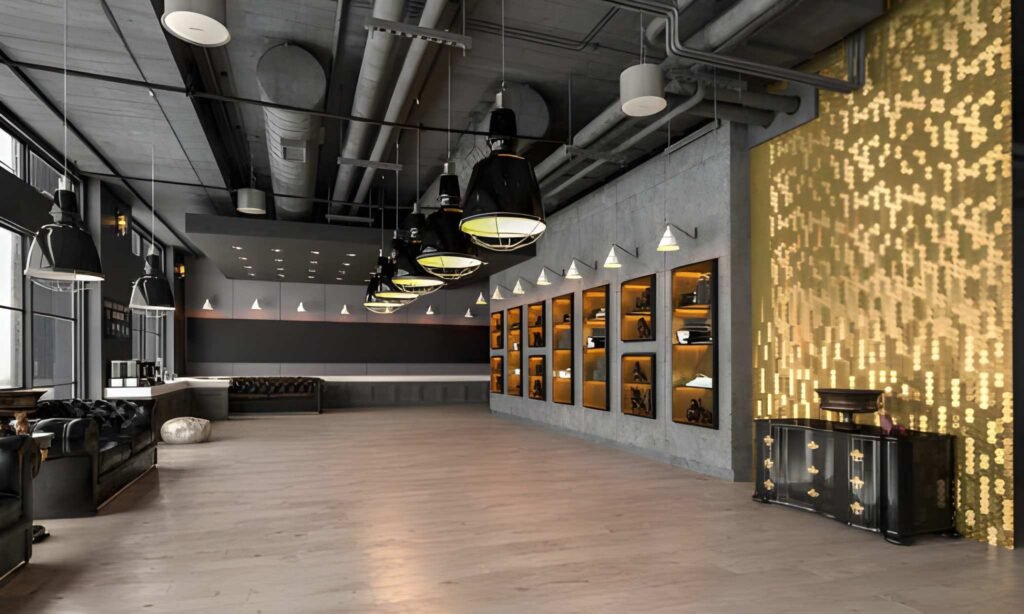
Vertical real estate is the most underutilized asset in a 20×30. Standard shelving is insufficient. The design must incorporate floor-to-ceiling displays: slatwall systems, grid panels, or custom-built shelving that climbs to an 8 or 10-foot ceiling. This not only multiplies the display capacity but also draws the eye upward, creating a sense of volume and abundance that counteracts the limited floor area. Lighting is not an amenity but a structural element. A dark 20×30 box feels claustrophobic. A well-lit one feels curated and dynamic. A combination of ambient lighting for general illumination and focused track lighting to highlight featured products or wall displays creates depth and drama, guiding the customer’s gaze and defining zones within the open plan.
The Viable Business Model: Specialization and Service
The 600-square-foot space is unforgiving to generalists. It is the domain of the niche “category killer.” The business must be the absolute best destination for a very specific type of product. This could be a boutique focusing exclusively on men’s high-end shaving supplies and barbering tools, a store dedicated solely to rare and imported hot sauces, or a retailer for high-performance yarns and knitting accessories. The model relies on a deep, curated inventory within a narrow category, attracting a dedicated customer base willing to make a special trip.
An equally potent model is the service-based business with an integrated retail front. A 20×30 space perfectly accommodates a single-chair barbershop or a two-station hair salon, with the remaining square footage dedicated to selling the premium products used in the services. Similarly, a specialty bicycle repair shop can allocate space for a workstand and tools while displaying a curated selection of components, apparel, and accessories. This hybrid model creates multiple revenue streams; the service business guarantees foot traffic and builds trust, while the retail component boosts the average transaction value and serves the ongoing needs of a loyal clientele.
For the modern entrepreneur, this space is an ideal physical touchpoint for an e-commerce brand. It functions as a showroom, a place for customers to experience the product tactilely, receive personalized styling, and pick up online orders. This “click-and-mortar” approach drastically reduces the need for extensive on-site inventory, as the space is used for display samples while fulfillment is handled from a lower-cost warehouse. The 20×30 footprint becomes a marketing and customer service center that pays for itself through increased online conversion rates and reduced return rates, all while building a stronger local community around the brand.
Financial and Operational Precision
The financial model for a 600 sq ft space must be lean and efficient. Assuming a moderate lease rate of $20 per square foot NNN, the base rent would be $12,000 annually, or $1,000 per month. With NNN fees adding an estimated $4-6 per square foot, the total monthly occupancy cost lands between $1,200 and $1,300, plus utilities. This accessible overhead is the primary advantage, but it necessitates high sales per square foot.
Inventory management must be surgical. There is no room for slow-moving stock. The retailer must become an expert in just-in-time ordering and maintain a razor-sharp focus on turnover. The point-of-sale system should be integrated with inventory management software to provide real-time data on what is selling and what is not. The operational reality is that this is often a one or two-person operation. The owner is the buyer, the merchandiser, the sales associate, and the janitor. This demands exceptional organization and a floor plan that minimizes steps and maximizes efficiency during opening, closing, and restocking.
Table: The 20×30 Pro-Forma and Operational Blueprint
| Category | Specifications & Benchmarks | Strategic Imperative |
|---|---|---|
| Dimensions & Layout | 20′ (depth) x 30′ (width); Perimeter loop path; Central focal point; Rear cash wrap. | Maximize wall space; create an intuitive, uncluttered flow; ensure clear sightlines for security. |
| Monthly Occupancy Cost | ~$1,200 – $1,500 (Rent + NNN + Utilities). | Lower risk allows for experimentation, but requires high margin or high turnover to be profitable. |
| Target Monthly Sales | $8,000 – $15,000+ to achieve break-even and sustainable profit. | Demands a high Average Transaction Value (ATV) or a high volume of small transactions. |
| Inventory Strategy | Hyper-curated, deep in a narrow category; high turnover required. | No room for error; data-driven purchasing is essential to avoid dead stock. |
| Ideal Business Concepts | Niche retail (vinyl records, tea, running gear); Service/Retail hybrid (salon, repair shop); E-commerce showroom. | The concept must be specialized enough to be a destination, yet broad enough within its niche to generate repeat business. |
In conclusion, the 20×30 retail space is a crucible that forges exceptionally disciplined retailers. It punishes indecision and rewards creativity, curation, and a fanatical focus on the customer experience. It offers a lower barrier to entry but a higher barrier to success. For the right entrepreneur with a compelling, narrow focus, these 600 square feet are not a limitation but a strategic advantage, forcing a clarity of purpose that can build a powerful and enduring brand. It proves that a small, well-defined box can often be far more potent and profitable than a large, ambiguous one.