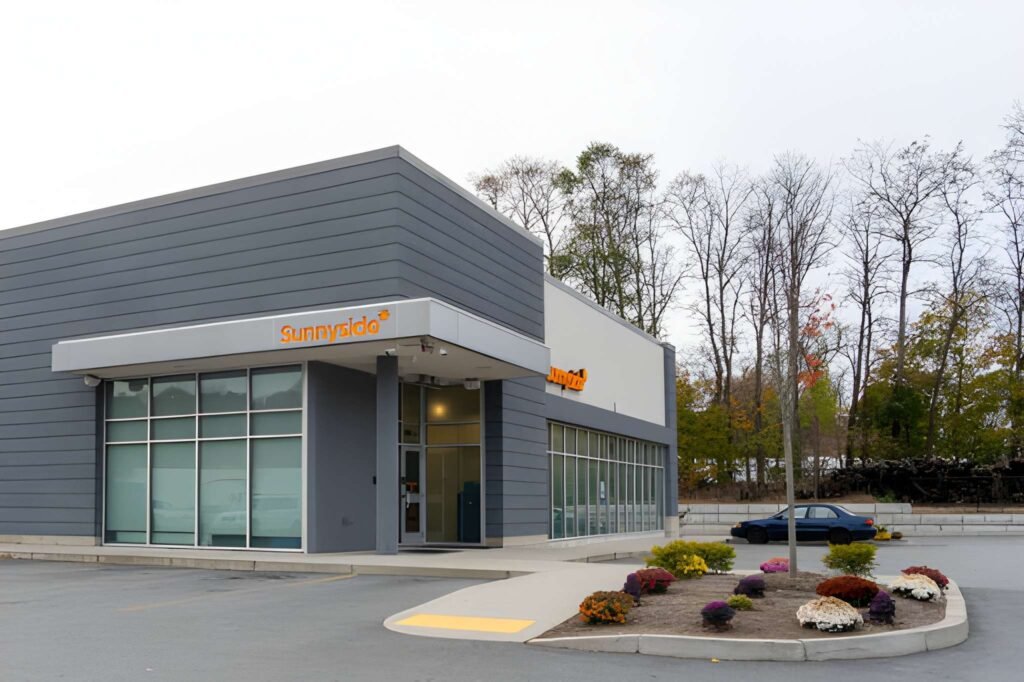
The retail space at 100 Worcester Rd in Framingham, Massachusetts, presents a unique and compelling proposition. It is not a blank slate in a forgotten strip mall, but a significant opportunity embedded within a established, high-traffic corporate center. Success here demands a strategic understanding of its distinct advantages and the calculated navigation of its inherent challenges. This location operates under a different set of rules than a traditional Main Street or regional mall, and the winning tenant will be the one who masters this specific ecosystem.
The property’s greatest asset is its built-in, high-quality daytime population. The presence of major corporate tenants like TJX Companies, the anchor of this sprawling campus, provides a consistent stream of potential customers. These are employees with disposable income, seeking convenience, quality, and respite during lunch hours and breaks. A retailer here is not waiting for random foot traffic; it is serving a captive audience. The synergy with the adjacent Crowne Plaza hotel further expands this base, adding a steady flow of business travelers and event attendees who value accessible amenities.
However, the model for success is narrow and specific. This is not an environment for a destination boutique or a late-night entertainment venue. The retail concept must align perfectly with the rhythm of a corporate and hospitality campus. The primary demand is for fast, high-quality convenience. A lunch destination that offers both quick-service and elevated grab-and-go options would thrive. A premium coffee shop, acting as a third place for meetings and breaks, is another natural fit. Complementary services like a dry cleaner, a high-end salon, or a small, curated fitness studio would cater directly to the time-strapped professional demographic.
The challenges are real and must be factored into any business plan. The location is car-centric, and while visibility from the road is excellent, the retail space must work to draw people in from the office buildings and parking lots. Evening and weekend traffic will likely be a fraction of the weekday surge, meaning the business model cannot rely on those periods for survival. Marketing must be hyper-focused, targeting the employees within the complex through direct outreach, corporate partnerships, and loyalty programs, rather than broad regional advertising.
The following table outlines the core strategic considerations for a potential tenant:
| Factor | Opportunity | Challenge |
|---|---|---|
| Demographics | Captive audience of professionals with high disposable income. | Limited residential population in immediate vicinity. |
| Foot Traffic | Predictable, high-volume weekday traffic from office workers and hotel guests. | Significant drop-off in evenings and weekends. |
| Concept Fit | High demand for daily needs: food, coffee, convenience, and personal services. | Low demand for destination retail, apparel, or evening-centric entertainment. |
| Competition | Less direct competition than a dense downtown, allowing for market capture. | Must compete with corporate cafeterias and the habit of employees bringing their own lunch. |
Ultimately, 100 Worcester Rd is a play for consistency and high-margin transactions. The retailer who views this space not as a standalone storefront, but as the de facto amenity hub for a powerful corporate community, will unlock its significant potential. It requires a concept that is both essential and excellent, turning the daily routines of thousands of employees into a reliable and profitable revenue stream. The success here is built on a deep understanding of a specific customer’s daily life and a commitment to seamlessly integrating into it.