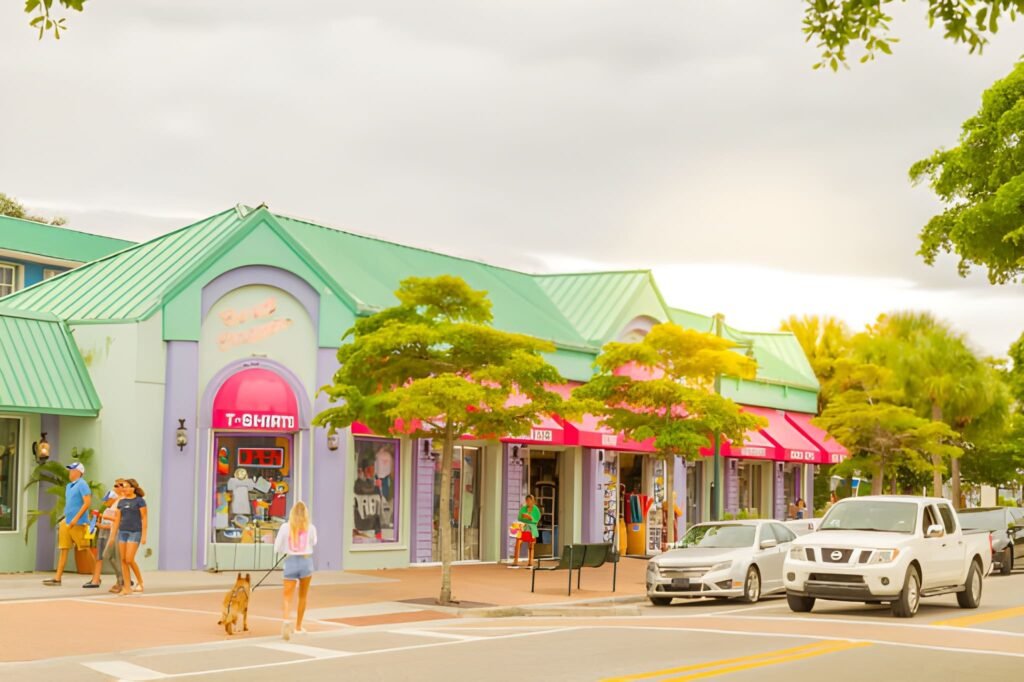
Sarasota presents a unique and compelling landscape for a retail business occupying a 1,000 square foot space. This footprint is the sweet spot for many small to medium enterprises, offering enough room to create an immersive brand experience without the overwhelming overhead of a larger box store. The city’s distinct socioeconomic and tourist-driven economy creates both opportunities and specific challenges that a potential tenant must navigate with precision. A 1,000 sq ft space here is not a generic retail box; its success is entirely dependent on its strategic alignment with Sarasota’s dual identity as a cultured, affluent year-round community and a seasonal tourist destination.
The first critical step is a granular analysis of location within the Sarasota market. The city is a collection of micro-markets, each with a different customer profile and cost structure. Downtown Sarasota, centered around Main Street and Palm Avenue, offers high visibility and dense foot traffic, particularly from tourists and patrons of the surrounding arts district, which includes the Sarasota Opera, Florida Studio Theatre, and numerous art galleries. The trade-off is premium rent, which can range from $30 to $45 per square foot on a Net Lease (NNN) basis, and intense competition for attention. A retail concept here must have broad appeal or a luxury bent that aligns with the sophisticated, high-income demographic.
St. Armands Circle is a retail environment unlike any other, a high-end, pedestrian-friendly circle known for its national brands and exclusive boutiques. Rent here is at the top of the market, often exceeding $50 per square ft NNN. A 1,000 sq ft space on the Circle demands a concept with exceptionally high margins and a product that appeals to both wealthy seasonal residents and luxury-seeking tourists. The Southside Village (Hillview Street) and Gulf Gate neighborhoods offer a more local, neighborhood feel. These areas attract a mix of long-term residents and a slightly younger, more casual demographic. Rents are more accessible, typically in the $20-$30 per sq ft NNN range. A business here must build a strong base of repeat local customers to sustain itself through the quieter tourist off-season. The key is to match the concept to the neighborhood’s character—a high-fashion boutique may struggle in Gulf Gate, while a trendy, artisanal cafe or a specialty pet store could thrive.
Financial Realities and Lease Scrutiny
The advertised base rent is only the foundation of the financial commitment. In Sarasota’s commercial market, a Triple Net (NNN) lease is standard. This means the tenant pays the base rent plus a pro-rata share of the property’s property taxes, building insurance, and Common Area Maintenance (CAM). For a 1,000 sq ft space, CAM fees can add $5 to $12 per square foot annually to your costs. It is imperative to request a historical breakdown of these charges from the landlord to forecast true occupancy costs accurately.
The initial build-out, or Tenant Improvement (TI) allowance, is a critical point of negotiation. A 1,000 sq ft raw space may require a significant investment to become retail-ready—easily $50,000 to $100,000 or more for custom millwork, lighting, flooring, and restrooms. A strong tenant with a credible business plan can often negotiate a TI allowance from the landlord, which is a cash contribution toward these build-out costs. The strength of this negotiation often depends on the desirability of the location and the tenant’s financial standing.
Beyond rent and CAM, operational costs must be factored. Florida’s climate means HVAC is a major utility expense, especially for a space with large storefront windows. General liability and property insurance are also necessities. A prudent financial model for a 1,000 sq ft store in a mid-range Sarasota location like Southside Village would need to account for total monthly occupancy costs (rent + NNNs) of $3,500 – $5,000, plus utilities, payroll, and inventory costs.
Concept and Design for the Sarasota Consumer
A successful 1,000 sq ft concept in Sarasota must cater to a specific, well-defined niche. The city’s demographic is a blend of cultured, high-net-worth retirees, seasonal “snowbirds,” and a growing population of professionals and families. Tourist traffic, which peaks from January through April, provides a vital revenue surge but cannot be the sole focus for a sustainable year-round business.
Winning concepts often tap into the Sarasota lifestyle:
- High-End Wellness & Beauty: A boutique yoga studio with a small retail component for high-quality apparel and props, a specialized skincare clinic, or an apothecary focusing on clean beauty and wellness products.
- Artisanal Food & Drink: A specialty grocer focusing on local, organic, or imported gourmet foods, a wine or craft spirits shop with a tasting bar, or a premium coffee roastery with a small seating area.
- Curated Home & Fashion: A boutique offering resort wear, linen clothing, and unique jewelry that fits the Florida aesthetic. Alternatively, a home goods store featuring work by local artists and artisans, focusing on coastal-modern rather than kitschy beach decor.
- Experience-Rich Retail: A “sip and paint” studio, a boutique offering crafting workshops, or a high-end pet boutique with grooming services.
The interior design of a 1,000 sq ft space must maximize every inch. An open floor plan with high, exposed ceilings can create an airy feel. Strategic use of large mirrors, a cohesive color palette, and layered lighting (ambient, accent, and task) are essential. The flow should guide customers from the entrance past featured displays to a central browsing area, culminating in a well-defined, efficient checkout counter. Given Sarasota’s weather, a small, designated area for seasonal merchandise or a clearance rack can help manage inventory without cluttering the main floor.
Table: Sarasota 1,000 Sq Ft Retail Space – Location Profile
| Neighborhood/District | Typical Rent (NNN PSF/Year) | Customer Profile | Ideal Concept Fit |
|---|---|---|---|
| Downtown/Main Street | $30 – $45+ | Tourists, arts patrons, affluent professionals, condo residents. | High-end fashion gallery, specialty food & wine, designer home goods, experiential retail. |
| St. Armands Circle | $50+ | Luxury tourists, high-net-worth seasonal residents. | Luxury brand boutique, fine jewelry, high-end resort wear, art gallery. |
| Southside Village | $22 – $32 | Local residents, younger professionals, families. | Boutique fitness apparel, specialty food market, unique gift shop, pet boutique, casual dining cafe. |
| Gulf Gate | $20 – $28 | Mixed-income locals, a vibrant restaurant/bar crowd. | Eclectic gift shop, vintage clothing, record store, casual and affordable food concepts. |
The Operational Imperative: Seasonality and Synergy
A Sarasota retail business must have a clear strategy for managing seasonality. The summer months (May-October) are slower and hotter. This is the time for community-building initiatives: hosting local workshops, running targeted promotions for residents, and focusing on online sales. It is also the period for deep cleaning, re-merchandising, and preparing for the winter influx.
Building relationships with neighboring businesses is not a soft benefit; it is a strategic necessity. Cross-promotions with nearby restaurants, salons, or galleries can drive valuable foot traffic. Participating in neighborhood events like St. Armands Circle’s “Art Festival” or Southside Village’s “Jazz Fridays” provides critical local exposure.
A 1,000 sq ft retail space in Sarasota offers a powerful platform for a brand that understands its market. The path to success requires more than a great product; it demands a forensic understanding of local lease structures, a concept finely tuned to the Sarasota lifestyle, and an operational plan that leverages the tourist season while cultivating a loyal local base. For the entrepreneur who does their homework, this space can become a profitable and enduring part of Sarasota’s vibrant commercial tapestry.