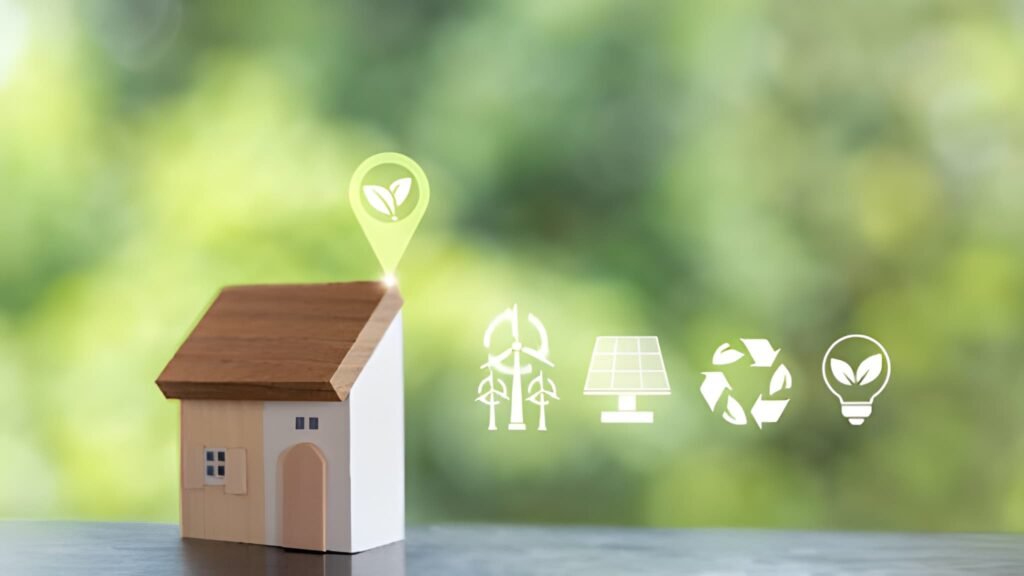
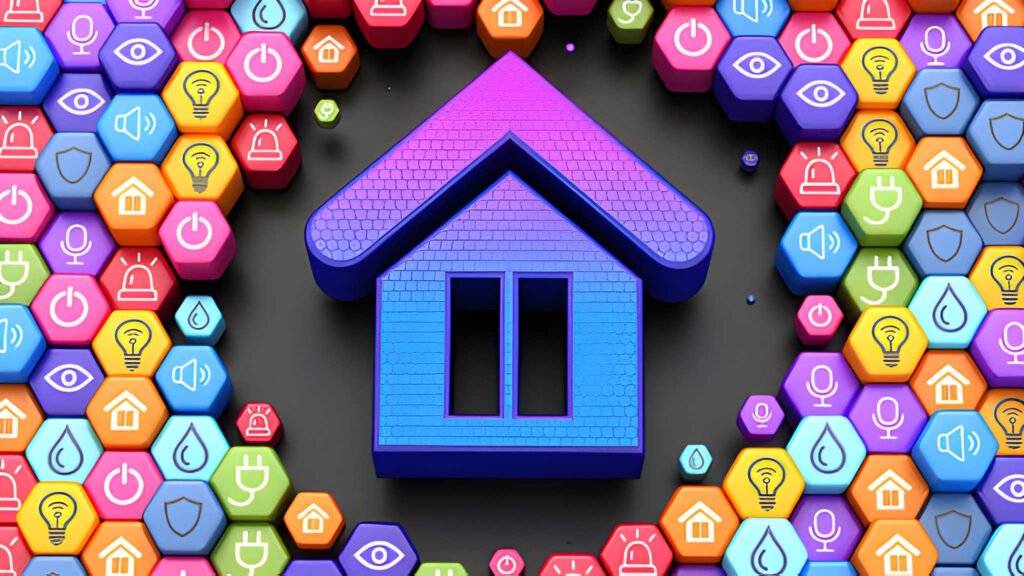
The eco-friendly smart home represents the pinnacle of modern residential living, where advanced technology and environmental stewardship merge to create a living environment that is not only convenient and secure but also profoundly efficient, healthy, and sustainable. This is not a home with a few smart gadgets; it is an integrated, adaptive ecosystem where intelligence is applied systematically to minimize ecological impact without sacrificing comfort. The home itself becomes a conscious entity, dynamically managing resources, responding to its environment, and providing unparalleled data to its inhabitants.
The Core Framework: An Intelligent, Self-Optimizing System
An eco-friendly smart home operates on a closed-loop principle: it continuously monitors its own performance and the occupants’ habits, then automatically adjusts its systems for optimal efficiency. This framework is built on three interconnected layers.
1. The Sensing and Monitoring Layer: The Home’s Nervous System
This layer consists of a network of sensors that provide real-time data, the foundation for all intelligent action.
- Environmental Sensors: Monitor temperature, humidity, air quality (VOCs, CO2), and light levels in every room.
- Energy Monitors: Devices like the Sense Energy Monitor or Span Smart Panel track electricity consumption at the circuit level, identifying which appliances are drawing power and when.
- Water Flow Sensors: Attached to the main water line, these detect usage patterns and minute leaks long before they cause damage or massive waste.
- Occupancy and Motion Sensors: Determine which rooms are in use, allowing for targeted conditioning and lighting.
2. The Automated Control and Execution Layer: The Home’s Brain and Muscles
This layer takes the data from the sensors and executes commands through connected devices.
- Smart Thermostats (e.g., Ecobee, Nest): The quintessential example. They use occupancy data, schedules, and weather forecasts to pre-emptively heat or cool only the spaces that need it, eliminating wasted energy on empty rooms.
- Smart HVAC Zoning: Works with the thermostat to open and close dampers in the ductwork, directing air flow precisely where it’s needed.
- Smart Lighting: Automated systems turn lights off in unoccupied rooms and dim them based on the amount of natural daylight available.
- Smart Plugs and Appliances: Allow for remote control and scheduling, enabling “load shifting” (running dishwashers or dryers during off-peak energy hours) and eliminating phantom loads.
3. The Predictive and Adaptive Intelligence Layer: The Home’s Consciousness
This is the most advanced layer, where the home moves from reaction to prediction.
- AI and Machine Learning: The system learns from long-term data. It can predict that you typically come home at 6 PM on weekdays and will begin conditioning the house at 5:30 PM, using the most efficient method based on current electricity rates and solar production.
- Integration with Renewable Energy: The system knows when your solar panels are producing excess energy. It can automatically decide to charge your home battery (e.g., Tesla Powerwall), pre-heat your water heater, or send power back to the grid based on financial and environmental optimization algorithms.
- Weather-Responsive Automation: The system receives a storm alert and automatically raises motorized shades to protect them, checks the sump pump, and ensures the home battery is fully charged in case of a power outage.
Key Synergistic Systems in Action
The true power is revealed when these systems work in concert through pre-programmed “scenes” or adaptive AI routines.
- The “Good Morning” Scene: As you wake up, the system opens motorized blinds to use natural light and solar heat. It checks the outdoor air quality and temperature; if conditions are favorable, it turns off the HVAC and opens smart windows for fresh air instead.
- The “Eco Mode” Automation: When the system’s occupancy sensors determine no one is home, it enters a deep energy-saving mode: lowering the thermostat, turning off all non-essential lights and electronics, and pausing the hot water recirculation pump.
- Water Conservation Loop: A smart irrigation controller (e.g., Rachio) skips a scheduled watering cycle because it knows it rained two hours ago. Simultaneously, the whole-home water monitor detects a slight, continuous flow from a master bathroom, alerts you to a likely running toilet, and allows you to shut off water to that line remotely until it can be repaired.
The Tangible Benefits: Beyond Convenience
The outcome of this integration is a home that delivers measurable, significant advantages.
- Radical Resource Efficiency: Home energy use can be reduced by 20-40% through automated management alone, with water savings of up to 30-50% through leak detection and smart irrigation.
- Enhanced Resilience: With integrated battery storage, the home can seamlessly power critical loads during an outage, using its intelligence to prioritize essentials like refrigeration and communication.
- Proactive Health and Maintenance: The home alerts you to failing appliances (via unusual energy draw), poor air quality, and moisture issues before they become health hazards or costly repairs.
- Data-Driven Empowerment: Homeowners gain a clear, granular understanding of their consumption patterns, empowering them to make more informed, sustainable choices.
Eco-friendly smart homes are the definitive future of sustainable living. They solve the “human factor”—the forgetfulness and inconsistency that lead to energy and water waste—by embedding conservation into the very fabric of the home’s operation. This is not about technology for technology’s sake; it is about leveraging intelligence to create a living space that is inherently responsible, resilient, and responsive. It represents a harmonious partnership between human aspiration and technological capability, resulting in a home that cares for both its inhabitants and the planet with equal diligence.