
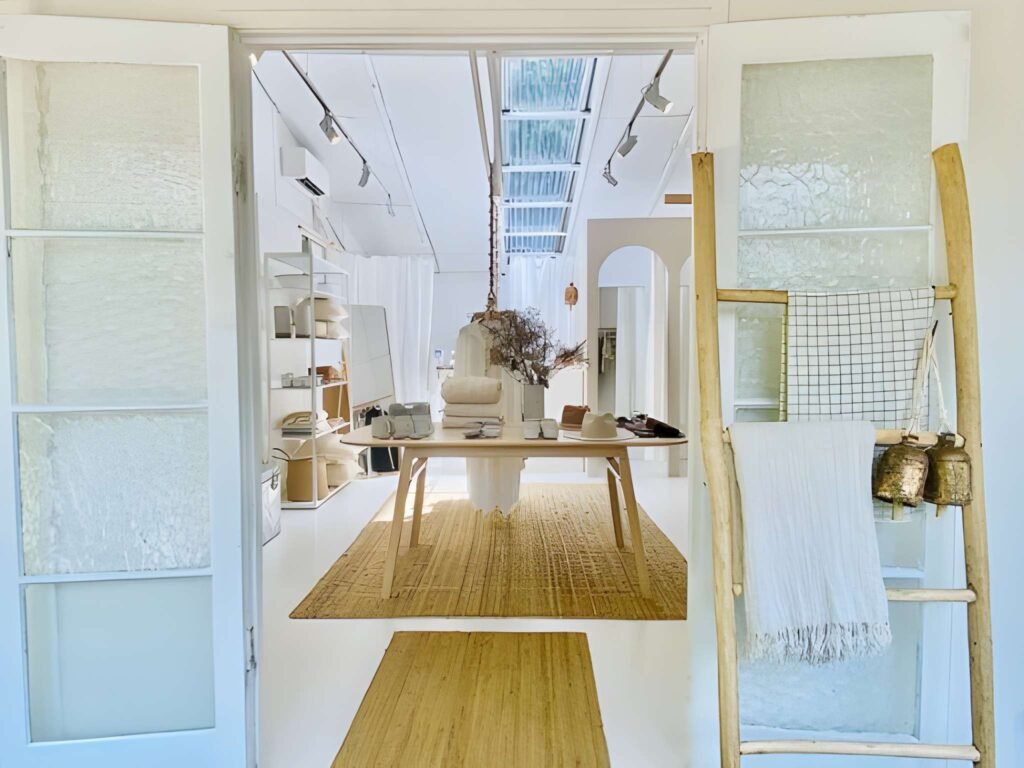
The final layer of a home, its furnishings, is where personality, comfort, and daily life intersect. For generations, this domain has been ruled by trends, impulse buys, and the seductive allure of fast furniture—inexpensive, stylish pieces designed for a short lifespan and destined for the landfill. A quiet rebellion is now reshaping our interiors, moving beyond mere aesthetics to embrace a philosophy of conscious consumption. Eco-friendly home furnishing is not a style, but a standard. It is the practice of surrounding yourself with objects that are not only beautiful but also tell a story of ethical provenance, natural integrity, and enduring value. This approach transforms a house into a home that is a true sanctuary, healthy for its inhabitants and gentle on the planet.
This curated method challenges the disposable mindset. It favors the patina of age over the gleam of the new, the unique story over the mass-produced copy, and the integrity of materials over the illusion of a bargain. The result is an interior that feels collected, authentic, and deeply personal. It is a space that eschews the transient noise of trends for the quiet, lasting language of quality and care.
The Foundation: A Philosophy of Mindful Acquisition
The most sustainable piece of furniture is the one you already own. Before purchasing anything new, the eco-conscious individual first assesses what can be repaired, reupholstered, or repurposed. A worn wooden chair, stripped and oiled, can reveal a grain more beautiful than any laminate finish. A solidly built but dated sofa given new life with organic fabric becomes a centerpiece with a unique history. This practice of “make do and mend” is not about deprivation, but about respect for resources and craftsmanship. When acquisition is necessary, the guiding questions shift from “Is it cheap?” to “Is it well-made? Will it last? What is it made of, and who made it?”
The Material World: Selecting for Substance and Soul
The essence of eco-furnishing lies in the choice of materials. This is a return to the elemental, prioritizing natural, renewable, and non-toxic substances that are safe for your home and the environment.
The Integrity of Wood
Wood is the soul of furniture. The critical distinction lies in its source and treatment.
- Reclaimed Wood: Lumber salvaged from old barns, factories, and demolished buildings carries a narrative depth that new wood cannot replicate. Each knot, nail hole, and variation in color is a record of its past life. Using reclaimed wood prevents deforestation and gives a unique, grounded character to tables, shelving, and flooring.
- FSC-Certified Wood: For new pieces, the Forest Stewardship Council (FSC) certification is the gold standard. It guarantees the wood comes from responsibly managed forests that provide environmental, social, and economic benefits.
- Natural Finishes: The beauty of the wood should be protected with equally natural finishes. Look for pieces treated with plant-based oils, waxes, or shellac rather than synthetic polyurethanes that can off-gas volatile organic compounds (VOCs) and create a plastic-like barrier.
The Life Cycle of a Cushion: Upholstery and Fillings
What lies beneath the fabric is as important as the fabric itself.
- Springs and Frames: Seek out furniture with eight-way, hand-tied coil springs and frames constructed with solid wood and dowel or mortise-and-tenon joints. This is the hallmark of heirloom quality, designed to last for decades.
- Cushioning: Avoid conventional polyurethane foam, a petroleum-based product that can break down and release dust. Superior, non-toxic alternatives include:
- Natural Latex: Derived from the sap of rubber trees, it is resilient, hypoallergenic, and biodegradable.
- Wool: A natural flame retardant, wool wicks moisture and provides supportive, breathable cushioning.
- Organic Cotton Batting: A classic, chemical-free filling for cushions and upholstered layers.
The Fabric of Life: Textiles from the Earth
The textiles we live with—on sofas, chairs, and beds—are in constant contact with our skin and our home’s air.
- Organic Cotton: Conventionally grown cotton is one of the world’s most pesticide-intensive crops. Organic cotton, grown without synthetic chemicals, is a fundamental and widely available choice for slipcovers, drapery, and bedding.
- Linen: Made from the flax plant, linen requires minimal water and no pesticides. It is exceptionally strong, becomes softer with each wash, and possesses a beautiful, relaxed drape that embodies effortless elegance.
- Hemp: An eco-champion, hemp grows quickly, enriches the soil, and requires no agrochemicals. The resulting fabric is durable, antimicrobial, and similar in texture to linen.
- Wool: Beyond cushioning, wool is a superb upholstery fabric. It is naturally stain-resistant, moisture-wicking, and incredibly long-wearing.
- Tencel™ (Lyocell): Produced from sustainably sourced wood pulp in a closed-loop process that recycles water and solvents, Tencel is a silky-smooth, biodegradable fabric known for its minimal environmental impact.
The Art of the Find: Secondhand, Vintage, and Artisanal
Building an eco-friendly home is an opportunity to reject the homogeneity of mass production and cultivate a space with a unique soul.
The Primacy of Secondhand
Shopping for vintage and antique furniture is the ultimate form of recycling. It extends the life of well-made pieces, keeps them out of landfills, and reduces the demand for new resource extraction. A mid-century modern teak sideboard, a solid oak farmhouse table, or a pair of worn leather club chairs have already stood the test of time. Their patina and minor imperfections are not flaws but a record of a life well-lived, adding instant warmth and history to a room.
The Value of the Artisanal
When buying new, supporting local craftspeople and small-scale artisans ensures that your purchase supports fair wages and reduces the carbon footprint of long-distance shipping. A hand-forged iron bedframe, a hand-thrown ceramic vase, or a custom-built dining table from a local woodworker carries the energy of human hands. These pieces are investments in both beauty and community, and their unique character cannot be replicated on an assembly line.
The Conscious Consumer’s Checklist
Navigating the marketplace for eco-friendly furnishings requires a discerning eye. Use this framework to guide your decisions:
| Furniture Category | Key Eco-Friendly Considerations | What to Look For | What to Avoid |
|---|---|---|---|
| Wooden Tables & Casegoods | Wood source, construction, finish. | Reclaimed wood, FSC-certified new wood, dovetail or mortise-and-tenon joints, natural oil or wax finishes. | Particleboard/MDF, veneers over unsustainable wood, synthetic lacquer finishes. |
| Upholstered Sofas & Chairs | Frame construction, cushion fill, fabric. | Solid wood frame, eight-way hand-tied springs, natural latex/wool fill, GOTS-certified organic fabric (cotton, linen, hemp). | Plastic or particleboard frame, polyurethane foam cushions, synthetic fabric (polyester, acrylic) unless recycled. |
| Textiles & Soft Furnishings | Fiber content, dyes, production process. | GOTS-certified organic cotton, linen, hemp, wool; Oeko-Tex certified dyes. | Conventional cotton, polyester, acrylic, chemically treated “stain-resistant” fabrics. |
| Bedding & Mattresses | Materials against the skin, fire retardants. | GOTS-certified organic cotton or linen sheets, mattresses with organic wool, natural latex, or cotton fills. | Conventional cotton sheets, mattresses with polyurethane foam and chemical fire retardants. |
| Decorative Accessories | Material composition, origin. | Handmade ceramics, recycled glass vases, objects made from natural materials (seagrass, bamboo). | Plastic decor, mass-produced resin items. |
Curating an eco-friendly home is a journey, not a destination. It is a slow and thoughtful process of choosing pieces you truly love, that are made well, and that align with a commitment to a healthier home and a healthier planet. This approach results in an interior that is not merely decorated, but deeply considered—a collection of meaningful objects that provide comfort without compromise and beauty that endures. It is the art of living with less, but better.