The world of repossessed (“repo”) trailer houses, more accurately termed manufactured homes, presents a unique and often high-risk, high-reward segment of the real estate market. These are homes that have been seized by a lender, landlord, or community owner due to the previous owner’s default on a loan or lot rent. While the prospect of acquiring a property significantly below market value is compelling, navigating this process requires a clear understanding of the distinct legal, financial, and physical challenges involved.
The Two Primary Repo Scenarios: Real vs. Personal Property
The fundamental first step is determining how the home is classified, as this dictates the acquisition process.
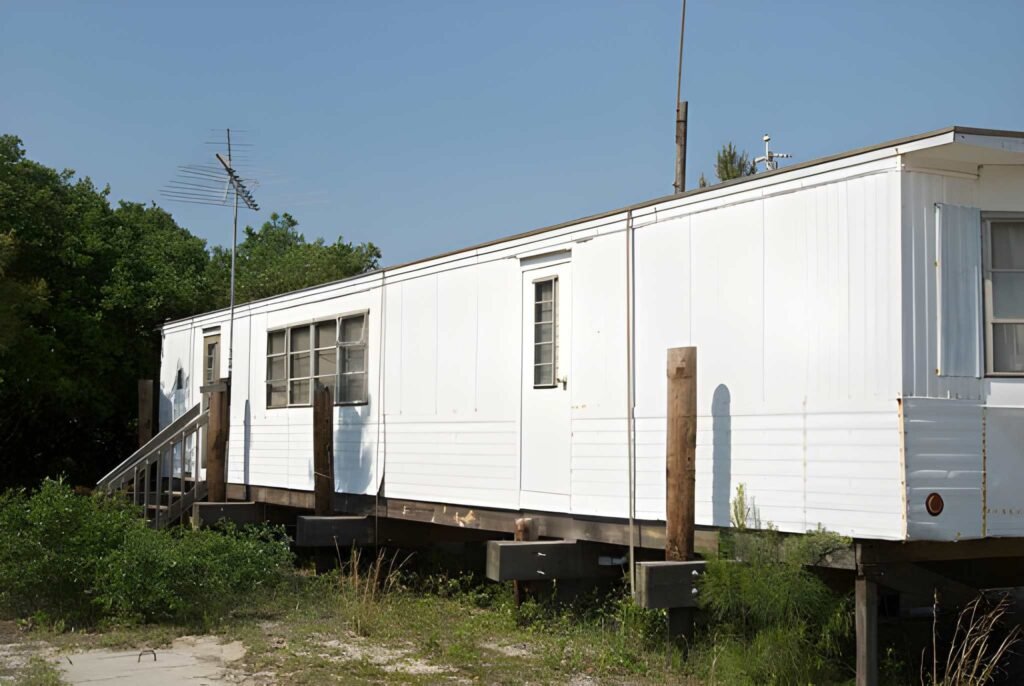
- Repossessed Personal Property: This is the most common scenario for older manufactured homes or those not permanently affixed to land they own.
- How it Works: The home was financed with a personal property loan (like a car loan), not a mortgage. Upon default, the lender repossesses the title.
- Acquisition Process: Buying from a lender or dealer holding the title is similar to buying a used vehicle. You receive a title and bill of sale.
- Key Consideration: You are only buying the structure. You must have a place to put it—either in a leased lot within a manufactured home community or on private land you own.
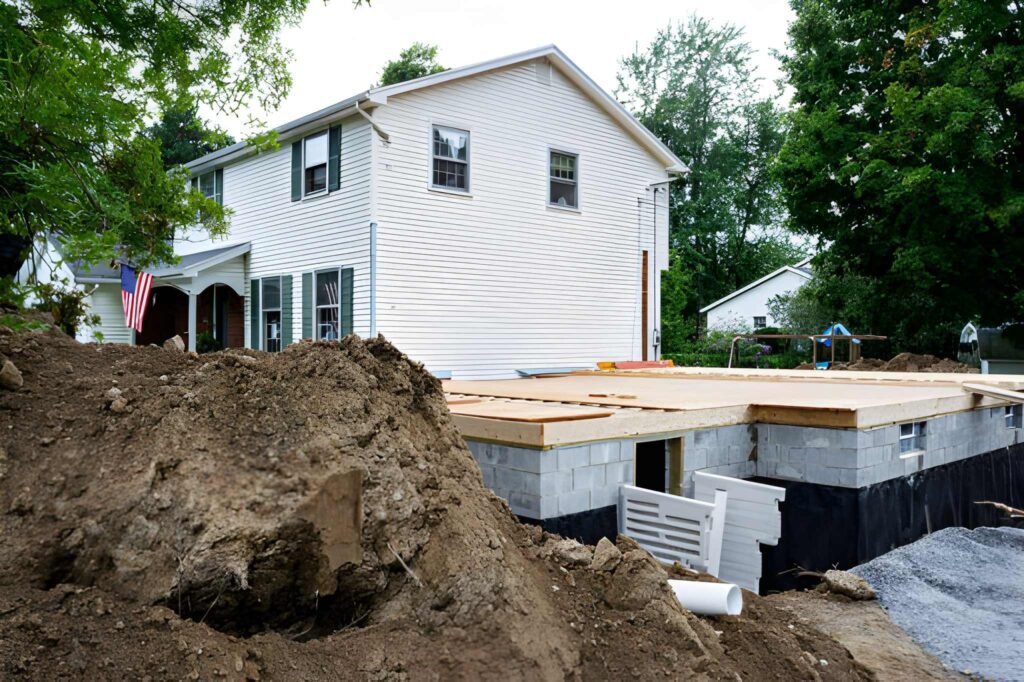
- Foreclosed Real Property: This applies when the manufactured home and the land it sits on were purchased together with a traditional mortgage.
- How it Works: The foreclosure process is similar to that of a site-built house, conducted through the court system. The home and land are sold together.
- Acquisition Process: Purchased at a county sheriff’s sale, auction, or as a bank-owned (REO) property. You receive a deed.
- Key Consideration: This is generally a safer and more straightforward investment as you acquire both the asset and its location.
Where to Find Repo Manufactured Homes
- Lenders: Banks and credit unions that specialize in manufactured home loans often have an inventory of repossessed units.
- Manufactured Home Communities: Community owners may repossess homes due to abandoned tenancies or unpaid lot rent. They then sell the home to recoup losses.
- Government Agencies: HUD (Department of Housing and Urban Development) occasionally sells repossessed manufactured homes, often as part of a package with land.
- Online Auctions: Websites like Auction.com or GovDeals may list repo manufactured homes from various sources.
- Local Classifieds & Dealers: Local newspapers and manufactured home dealers often have listings for “repo” or “repossessed” models.
The Critical Due Diligence Process
The low price of a repo manufactured home reflects its high risk. Thorough inspection is non-negotiable.
1. Title and Lien Search:
- For Personal Property: Conduct a VIN (Vehicle Identification Number) title search through the state’s DMV or equivalent agency to ensure there are no outstanding liens (e.g., from the original lender, a repair shop, or for unpaid taxes). A clouded title can make the home impossible to insure or finance.
2. Physical Inspection (“The Walk-Through”):
Repos are often sold “as-is, where-is,” meaning you inherit all problems. If access is granted, check for:
- Structural Integrity: Look for soft spots in the floors, water stains on walls and ceilings, and any signs of sagging or damage to the steel frame (I-beams).
- Roof: Check for leaks, damaged roofing material, and soft spots. Roof replacement on a manufactured home is a major expense.
- Skirting: Ensure it is intact to protect plumbing from freezing and prevent animal intrusion.
- Plumbing & Electrical: Turn on all faucets and flush toilets. Check for leaks under sinks. Test light switches and outlets. Look for outdated or unsafe wiring like aluminum or frayed cords.
- Pests: Look for signs of rodents, insects, or mold, which can be pervasive and costly to eradicate.
- Appliances & HVAC: Assume all included appliances and the heating/cooling system are non-functional unless proven otherwise.
3. Location and Relocation Costs:
- If the home must be moved: You must factor in the massive cost of hiring a licensed and insured mobile home transport company. This can range from $2,000 to $10,000+ depending on distance, home size, and permits. You are also responsible for setup, reconnecting utilities, and anchoring at the new site.
The Financial Realities and Hidden Costs
The sticker price is just the beginning.
| Cost Category | Estimated Range | Notes |
|---|---|---|
| Purchase Price | $5,000 – $30,000 | Highly variable based on size, age, and condition. |
| Title Transfer & Taxes | $200 – $1,000 | Varies by state; includes title fee, sales tax, and registration. |
| Transportation | $2,000 – $10,000+ | Only if relocation is required. |
| Setup & Installation | $3,000 – $8,000 | Includes blocking, anchoring, utility hookups, and skirting. |
| Repairs & Rehabilitation | $2,000 – $20,000+ | The most unpredictable cost. Can range from cosmetic to structural. |
| Lot Rent Deposit | $500 – $2,000 | First and last month’s rent and a security deposit if moving to a community. |
Financing a Repo: Securing a loan for a repo manufactured home, especially one classified as personal property, is challenging. Traditional mortgages are not an option. You may need a personal property loan from a specialty lender, which often comes with higher interest rates and shorter terms, or you will need to pay in cash.
Pros and Cons: A Clear-Eyed Assessment
Potential Advantages:
- Extremely Low Entry Cost: Allows for homeownership with a minimal initial investment.
- Potential for Equity: If you can acquire a sound structure cheaply and install it on owned land, you can build equity quickly.
- Rental Income: Can be used as a rental property for a relatively low capital outlay.
Significant Disadvantages & Risks:
- “As-Is” Condition: You assume all liability for any and all defects, which can be severe and expensive.
- Depreciation: Unlike site-built homes, manufactured homes often depreciate in value like a vehicle, especially if not on owned land.
- High Hidden Costs: Transportation, setup, and repairs can easily double or triple the total investment.
- Financing Hurdles: Difficult to get a loan, and personal property loans are less favorable than mortgages.
- No Land: If you don’t own the land, you are vulnerable to lot rent increases and community rule changes.
Purchasing a repo manufactured home is a speculative venture best suited for experienced individuals, cash buyers, or contractors with the skills to perform major repairs. It is not a path for the faint of heart or those without a significant contingency fund. Success requires treating the process with the diligence of a business investment: conducting exhaustive due diligence on the title and condition, accurately calculating the total cost of acquisition and setup, and having a clear, viable plan for where the home will be located. For the right buyer, it can be a pathway to affordable housing or investment, but for the unprepared, it can quickly become a financial sinkhole.