House repair services encompass a vast and varied industry, spanning from emergency interventions to planned renovations, each requiring distinct expertise, project management, and financial planning. For a homeowner, navigating this landscape effectively is crucial to protecting their most significant investment. Understanding the different tiers of service, how to vet professionals, and the structure of a typical repair project can transform a potentially stressful experience into a manageable and successful collaboration.
The Taxonomy of House Repair Services
Repair services can be categorized by the nature of the problem, the skill set required, and the project’s urgency.
1. Emergency Remediation Services
These are 24/7 responders for acute, damaging events. Their primary goal is to mitigate further damage and stabilize the property.
- Scope: Water damage extraction and drying, fire and smoke damage board-up and cleaning, storm damage temporary repairs, sewer backup cleanup.
- Key Providers: Companies like Servpro, Rainbow International, and local, certified restoration specialists.
- Defining Characteristic: Speed is the priority. They perform emergency mitigation and then provide a scope and estimate for the subsequent reconstruction work.
2. Specialized Trade Services
These are licensed experts focused on a single, complex system within the home.
- Scope:
- Plumbing: Repairing or replacing supply lines, drain pipes, water heaters, and sewer lines.
- Electrical: Upgrading panels, repairing faulty wiring, installing new circuits, and resolving code violations.
- HVAC: Servicing, repairing, or replacing furnaces, air conditioners, and ductwork.
- Roofing: Repairing leaks, replacing shingles or entire roof systems.
- Structural Engineering/Foundation Repair: Assessing and remediating settling, cracks, and structural failures.
- Key Providers: Licensed, bonded, and insured master plumbers, electricians, and HVAC technicians.
- Defining Characteristic: Requires specific state or local licenses. Work often must be permitted and inspected by the municipality.
3. Handyman Services
Ideal for a “punch list” of small, multi-disciplinary tasks that do not require a permit or licensed specialist.
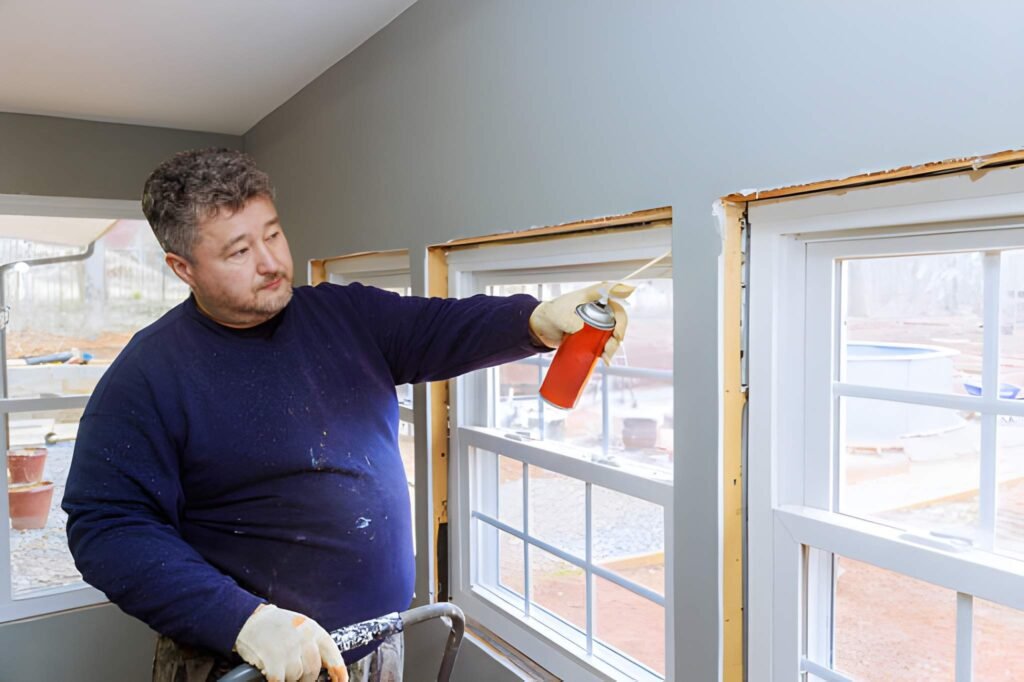
- Scope: Minor drywall patches, painting, faucet replacement, door adjustment, gutter cleaning, assembling furniture, mounting TVs, minor fence repair.
- Key Providers: Individual handymen or small companies.
- Defining Characteristic: Versatility over deep specialization. Not for structural, electrical, or major plumbing work.
4. General Contracting & Remodeling Services
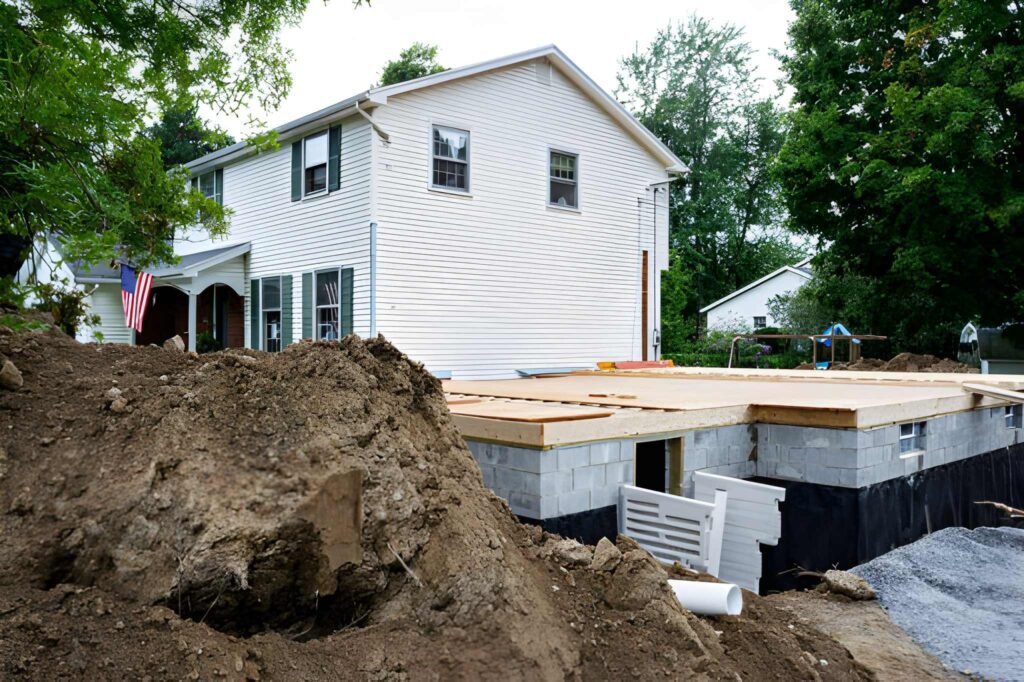
These professionals manage larger-scale projects that involve multiple trades, such as a kitchen remodel, bathroom renovation, or room addition. They act as the project manager.
- Scope: Coordinates the workflow of carpenters, plumbers, electricians, and drywallers. Pulls permits, schedules inspections, and is the single point of contact for the homeowner.
- Key Providers: Licensed General Contractors (GC).
- Defining Characteristic: They do not typically perform the specialized work themselves but hire and manage the subcontractors who do.
The Homeowner’s Roadmap: From Problem to Solution
A systematic approach ensures the right professional is hired for the job and the project runs smoothly.
Phase 1: Diagnosis and Scoping
- Homeowner’s Role: Clearly identify the symptom. Is there a water stain on the ceiling? A flickering light? Note when the problem occurs and its severity.
- Professional’s Role: A reputable professional will conduct a thorough inspection to diagnose the root cause, not just the symptom. A good plumber will find the source of a leak, not just repair the visible water damage.
Phase 2: The Vetting and Bidding Process
This is the most critical phase for ensuring a quality outcome.
- Seek Multiple Quotes: Obtain at least three detailed, written estimates for any significant repair.
- Verify Credentials: Check for a state-issued license (where required), proof of insurance (liability and workers’ compensation), and membership in professional associations (e.g., National Association of the Remodeling Industry – NARI).
- Check References and Reviews: Ask for and contact recent references. Look beyond star ratings on online platforms; read the content of reviews for patterns of behavior.
- The Quote vs. The Estimate: Understand the difference. An estimate is a best-guess of the cost. A fixed-price quote is a binding agreement for the stated price, barring any unforeseen conditions discovered after work begins.
Phase 3: The Contract and Project Management
A clear contract is the homeowner’s primary protection.
- The Contract Must Include:
- A detailed scope of work, including specific materials (brand, model, color).
- A total price and payment schedule (avoid contractors who demand full payment upfront).
- A start date and a projected completion date.
- A clause for handling change orders (written amendments for any changes to the original scope).
- Warranty information for both labor and materials.
- Communication: Establish a primary point of contact and a preferred method for daily updates.
The Financial Realities of Home Repair
Costs are highly variable but follow certain principles.
- The “Triage” Hierarchy: Address problems in order of severity: Structural/Safety > Water Intrusion > Envelope (roof, siding, windows) > Cosmetic.
- The Cost of Quality: The cheapest bid is often the most expensive in the long run. Quality materials and skilled labor cost more upfront but prevent callbacks and premature failures.
- Financing Options: For major repairs, homeowners may use home equity loans/lines of credit (HELOCs), cash-out refinances, or specialized renovation loans like the FHA 203(k).
Navigating house repair services requires a shift from being a passive homeowner to an informed project manager. Success hinges on understanding the different service categories, conducting rigorous due diligence before hiring, and formalizing the agreement with a detailed contract. By partnering with the right, qualified professional for the specific job at hand, a homeowner can ensure that repairs are completed correctly, safely, and to a standard that protects and enhances the value of their home for years to come. The goal is not just to fix a problem, but to invest in the long-term health and integrity of the property.