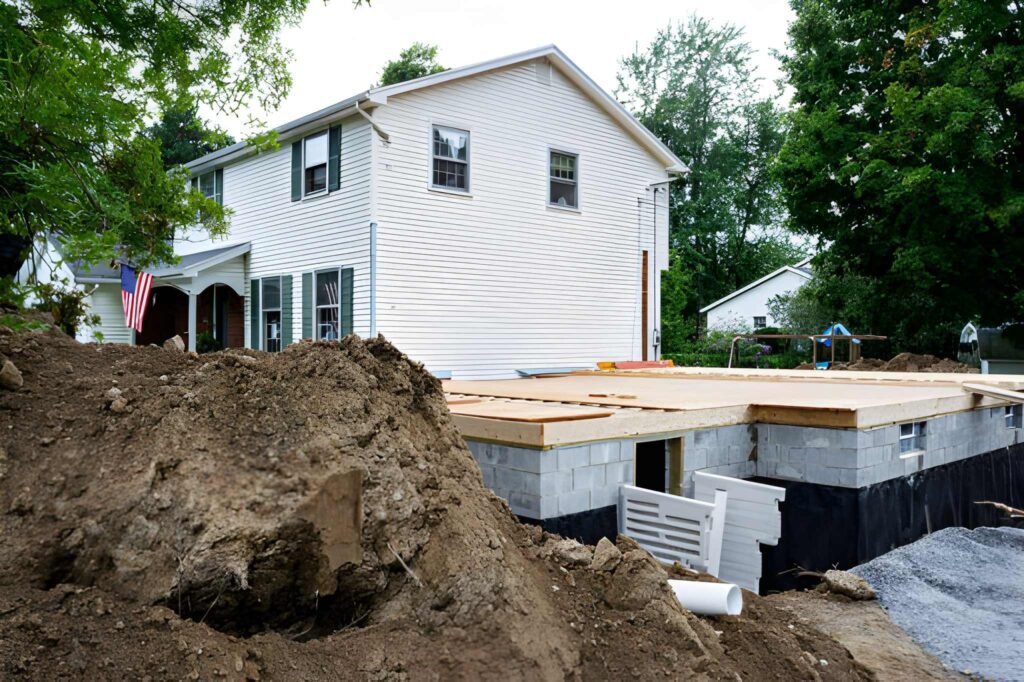

Engaging a house repair contractor is one of the most significant and potentially stressful decisions a homeowner can make. A contractor is not merely a hired laborer; they are the project manager, master of trades, financial steward, and temporary partner in your home’s well-being. The difference between a successful renovation and a costly, stressful nightmare often hinges on the diligence applied during the selection process and the clarity maintained throughout the project’s execution. Navigating this relationship requires a methodical approach, from initial vetting to final payment.
The Contractor Landscape: Understanding Specializations and Structures
The term “contractor” encompasses a wide range of professionals with varying specialties and business models.
Types of Contractors:
- General Contractor (GC): Acts as the project manager for larger, multi-trade projects (e.g., whole-house renovation, room addition). They hire, coordinate, and manage subcontractors (plumbers, electricians, carpenters), pull permits, and serve as the single point of responsibility.
- Specialty Contractor: Focuses on a specific trade, such as roofing, plumbing, electrical, HVAC, or painting. They are ideal for discrete, single-trade projects.
- Handyman: Suited for minor repairs and small tasks (e.g., fixing a door, assembling furniture, patching drywall) that do not require permits or licensed trades.
Business Structures:
- Established Companies: Often have a physical office, a team of employees, and a portfolio of completed projects. Typically higher overhead but offer stability and established processes.
- Crew-Based Contractors: A skilled lead with a dedicated team of laborers. Can offer a good balance of personal service and manpower.
- Independent Craftspeople: A sole proprietor who often performs the work themselves. Ideal for specialized, high-skill tasks like custom cabinetry or historical restoration, but may lack the bandwidth for large projects.
The Vetting Process: Due Diligence is Non-Negotiable
Selecting a contractor based solely on a low bid or a friendly demeanor is a profound financial risk. A rigorous vetting process is your primary defense.
1. Soliciting and Screening Candidates:
- Source from Referrals: The best source is a personal referral from a trusted friend, neighbor, or real estate professional.
- Verify Credentials: This is the most critical step.
- License: Confirm their state-level contractor’s license is current and in good standing. This can almost always be verified online through your state’s licensing board.
- Insurance: Request a Certificate of Insurance (COI) that proves both General Liability (protects your property if it’s damaged) and Workers’ Compensation (protects you from being sued if a worker is injured on your property). Call the insurer to verify the policy is active.
- Bonding: A surety bond provides a financial guarantee of project completion if the contractor defaults.
2. The Interview and Bid Process:
- On-Site Walkthrough: A reputable contractor will always insist on seeing the project in person before providing a quote.
- The Detailed Proposal: A bid should be a comprehensive document, not a number on a napkin. It must include:
- Scope of Work: A precise, narrative description of every task to be performed.
- Materials List: Specific brands, models, grades, and quantities of materials (e.g., “Benjamin Moore Aura paint,” “½-inch Type X drywall,” “Kohler Archer toilet in white”).
- Project Timeline: Start date and estimated completion date, with an understanding that weather and unforeseen issues may cause delays.
- Payment Schedule: A clear, fair schedule tied to project milestones, not just time elapsed.
- Total Cost: A fixed price for the defined scope. Beware of open-ended “time and materials” bids without a “not-to-exceed” clause.
3. Checking References and Portfolio:
- Ask for at least three references for projects similar in scope and age to yours.
- Ask specific questions: “Was the project completed on time and on budget?” “How did they handle unexpected problems?” “Would you hire them again?”
- Review their online portfolio and ask to see a completed project in person if possible.
The Legal and Financial Framework: Protecting Your Investment
The contract is the rulebook for the entire project. Do not proceed without a signed, detailed agreement.
The Contract Essentials:
- Parties Involved: Full legal names and contact information for both homeowner and contractor.
- Scope, Materials, and Timeline: The detailed proposal becomes an exhibit to the contract.
- Payment Schedule: A standard schedule might be 10% at signing, 25% at start of work, 25% at rough-in, 25% at drywall, and 15% upon final completion and walk-through. Never pay the majority upfront.
- Change Order Process: A formal procedure for any changes to the original scope, including written description, cost impact, and signature from both parties before work begins.
- Warranties: Explicit terms of warranties on both labor (typically 1 year) and manufacturer’s warranties on materials.
- Permits and Inspections: Stipulation that the contractor will pull all required permits and arrange for inspections.
- Cleanup and Disposal: Specification of daily and final cleanup and responsible disposal of debris.
Red Flags and Warning Signs:
- Demands for a large cash deposit or full payment upfront.
- High-pressure sales tactics or a “today-only” discount.
- No physical address or uses only a P.O. box.
- Is unwilling to put everything in writing or provides a vague contract.
- Asks you to pull the homeowner permit (this often shifts legal liability onto you).
Project Management and Communication
Once the project begins, your role shifts to active participant and communicator.
- Establish a Single Point of Contact: Designate one person in your household to communicate with the contractor’s foreman or lead.
- Maintain a Project Journal: Document daily progress, conversations, decisions, and issues with photos and notes.
- Conduct Regular Walk-Throughs: Schedule brief daily or weekly meetings with the lead to discuss progress, upcoming work, and any concerns.
- Manage Change Orders Formally: The #1 cause of budget overruns is informal changes. Insist on a signed change order for everything outside the original scope.
- The Final Walk-Through and Punch List: Upon project completion, do a thorough walk-through with the contractor and create a “punch list” of minor items needing correction (paint touch-ups, a sticky door, etc.). Do not make the final payment until the punch list is complete.
Hiring a house repair contractor is a partnership built on trust, verified through due diligence, and governed by a clear contract. The most successful outcomes are achieved by homeowners who are engaged, informed, and proactive. By investing time in a rigorous selection process and maintaining clear communication throughout the project, you transform a potentially daunting undertaking into a collaborative and successful endeavor that enhances the value, function, and enjoyment of your home. The goal is not merely to have work done, but to have it done correctly, efficiently, and to your complete satisfaction.