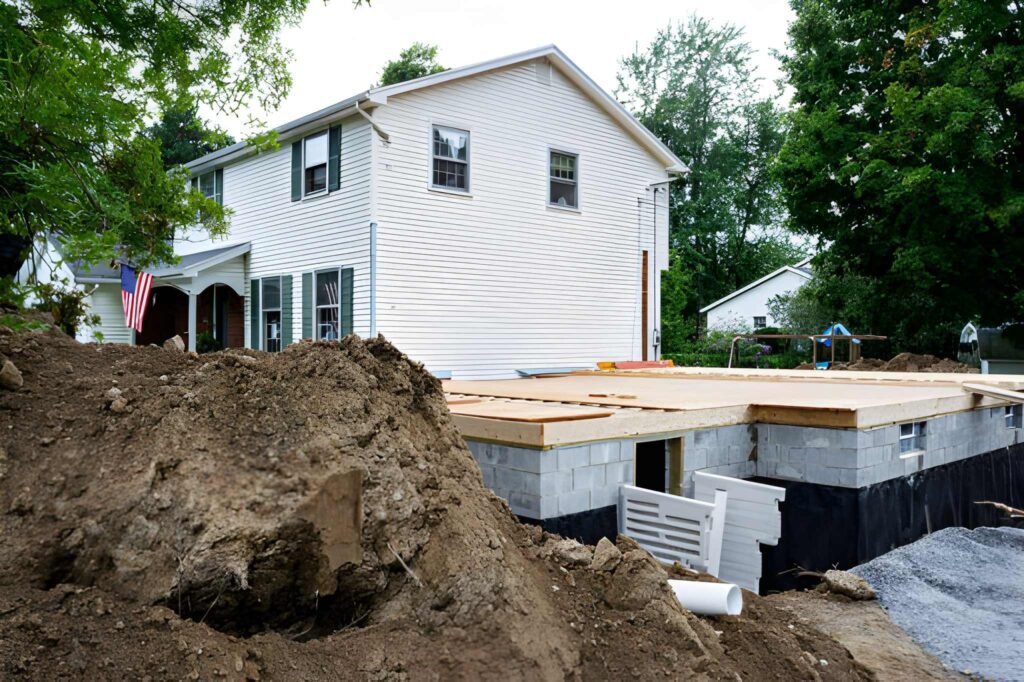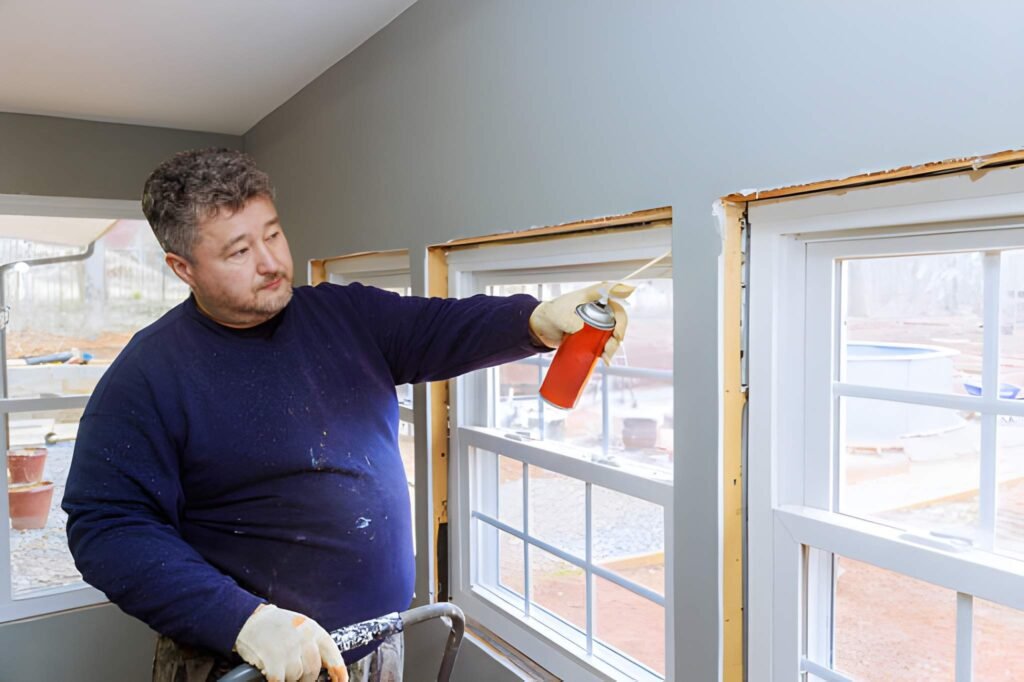
Home repair insurance is not a single policy but rather a strategic approach to managing property risk through a combination of traditional insurance products and modern service agreements. Understanding the ecosystem of available coverage is essential for protecting your home from both catastrophic damage and the gradual deterioration that comes with homeownership. This guide breaks down the various forms of home repair protection, their limitations, and how to use them effectively as part of a comprehensive home maintenance strategy.
The Core Components of Home Repair Protection
1. Homeowners Insurance: The Catastrophe Shield
This is the foundational layer of protection, designed for sudden, accidental damage rather than routine maintenance or wear and tear.
- What It Typically Covers:
- Dwelling Coverage: Damage from named perils like fire, lightning, windstorms, hail, and explosions.
- Other Structures: Damage to detached garages, fences, or sheds.
- Personal Property: Loss or damage to belongings.
- Liability Protection: If someone is injured on your property.
- Additional Living Expenses (ALE): Covers hotel and food costs if your home is uninhabitable during repairs.
- What It Explicitly Excludes:
- Gradual Damage: Leaks that develop slowly over time, rust, rot, mold, and pest infestation.
- Lack of Maintenance: Failure to maintain the property (e.g., a roof that fails because it was old, not because a tree fell on it).
- Earth Movement: Earthquakes and sinkholes (requires separate policy).
- Flooding: From external sources (requires separate NFIP or private flood policy).
2. Home Warranty: The Systems and Appliance Service Contract
A home warranty is a service contract that covers the repair or replacement of major home systems and appliances due to breakdown from age and use.
- What It Typically Covers:
- Systems: Electrical, plumbing, water heaters, HVAC, and ductwork.
- Appliances: Refrigerators, ovens, dishwashers, garbage disposals, and washers/dryers.
- Critical Limitations & Costs:
- Service Fee: You pay a deductible (often $75-$125) for each service call.
- Coverage Caps: Payouts are often limited (e.g., $2,000 per appliance, $15,000 for a HVAC system).
- Pre-Existing Conditions: Items that were already malfunctioning before the contract began are not covered.
- Maintenance Requirements: Claims can be denied if you haven’t performed documented routine maintenance.
3. Manufacturer’s Warranties: The First-Line Defense
These are provided by the manufacturer for new systems, appliances, and building materials (e.g., roofing shingles, windows).
- Key Distinction: They cover defects in the product itself, not the cost of labor for installation or subsequent repairs due to improper installation.
Navigating the Home Insurance Claim Process for Repairs
Filing a claim is a formal process that requires documentation and precision.
Step 1: Mitigate Further Damage
Your policy requires you to take reasonable steps to prevent additional damage (e.g., placing a tarp on a damaged roof, shutting off the water main after a burst pipe). Keep receipts for any materials purchased for this temporary repair.
Step 2: Document Everything
Before cleaning up, take extensive photographs and videos of the damage from multiple angles. Create a detailed list of all damaged items.
Step 3: Notify Your Insurer Promptly
Contact your insurance agent or company to start the claim. They will assign an adjuster to your case.
Step 4: The Adjuster’s Inspection
The insurance adjuster will inspect the damage to verify the cause and assess the cost of repair. It is highly advisable to obtain your own independent estimate from a reputable local contractor to use as a comparison.
Step 5: Review the Settlement Offer
The insurer will issue a claim payout based on the adjuster’s estimate. This payment often comes in two parts:
- Actual Cash Value (ACV): The depreciated value of the damaged item.
- Recoverable Depreciation: The withheld amount that is paid out once repairs are complete and receipts are provided.
Table: Homeowners Insurance vs. Home Warranty
| Feature | Homeowners Insurance | Home Warranty |
|---|---|---|
| Primary Purpose | Protect against sudden, accidental catastrophe. | Provide budget predictability for aging systems/appliances. |
| Typical Cost | $1,200 – $2,500+ annually. | $500 – $1,200 annually, plus service fees. |
| Best For | Major structural damage from storms, fire, theft. | Managing the cost of breakdowns in older homes or for homeowners with minimal emergency savings. |
| Claim/Service Process | Formal claim process with a deductible (often $500 – $2,500). | Service call with a trade professional and a service fee ($75 – $125). |
| Key Exclusion | Wear and tear, lack of maintenance, gradual damage. | Pre-existing conditions, improper installation, lack of maintenance. |
Strategic Considerations and Gaps in Coverage
The “Gray Area” Claim:
Many disputes arise over the cause of damage. For example, did a roof leak occur suddenly from a wind-damaged shingle (likely covered) or gradually from worn-out flashing (not covered)? Your documented maintenance history is your best defense in these situations.
The Role of a Public Adjuster:
If a claim is complex or you believe the insurer’s settlement is too low, you can hire a public adjuster. They work for you, not the insurance company, to maximize your settlement, typically for a percentage of the claim payout (usually 10-15%).
Proactive Risk Management: The Best “Insurance”
The most effective strategy is to prevent claims altogether through diligent maintenance.
- Create a Home Maintenance Schedule: Regularly inspect and service your roof, gutters, HVAC system, and plumbing.
- Keep Detailed Records: Maintain a log of all repairs, services, and replacements. This proves you have maintained the property and is invaluable during a claim dispute.
- Understand Your Policy: Annually review your policy’s declarations page to understand your coverage limits, deductibles, and exclusions.
Conclusion: An Integrated Approach
Home repair insurance is not a substitute for responsible homeownership. It is a financial risk management tool. A robust strategy involves a three-pronged approach:
- Adequate Homeowners Insurance: To serve as a safety net for true disasters.
- A Strategic Emergency Fund: Savings of $10,000-$20,000 to cover deductibles, non-covered repairs, and the inevitable failures that fall through the cracks of other policies.
- Diligent, Documented Maintenance: This is the most cost-effective “insurance” you can have, preventing the majority of issues that lead to costly repairs and claim denials.
By understanding the distinct roles of each type of coverage and proactively maintaining your home, you can navigate the complexities of home repair with confidence, ensuring your investment is protected against both the sudden storm and the slow drip of time.