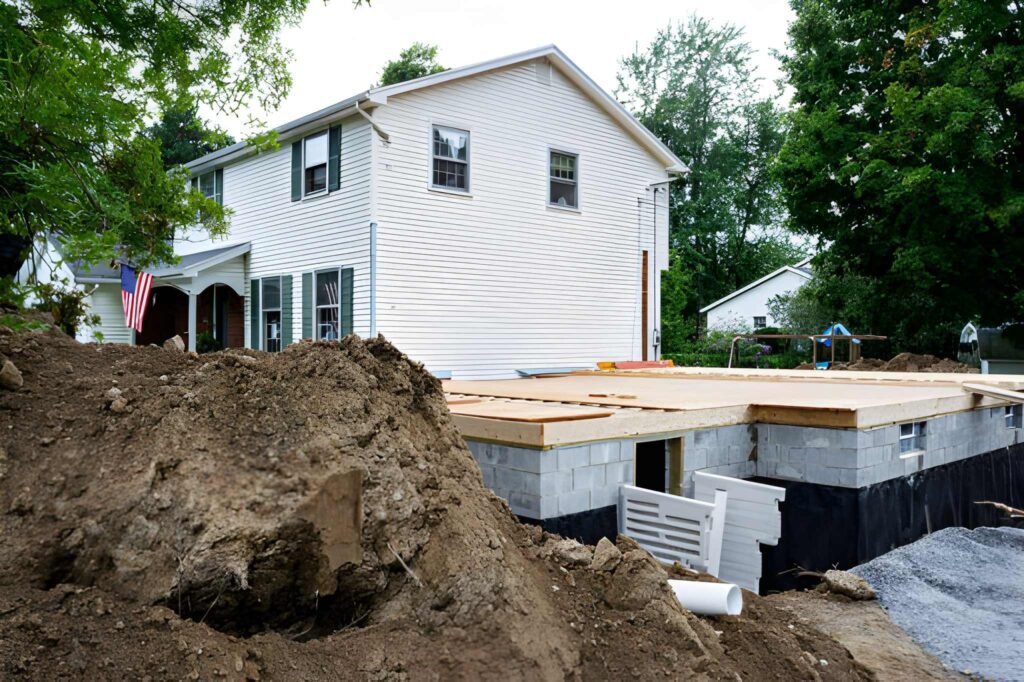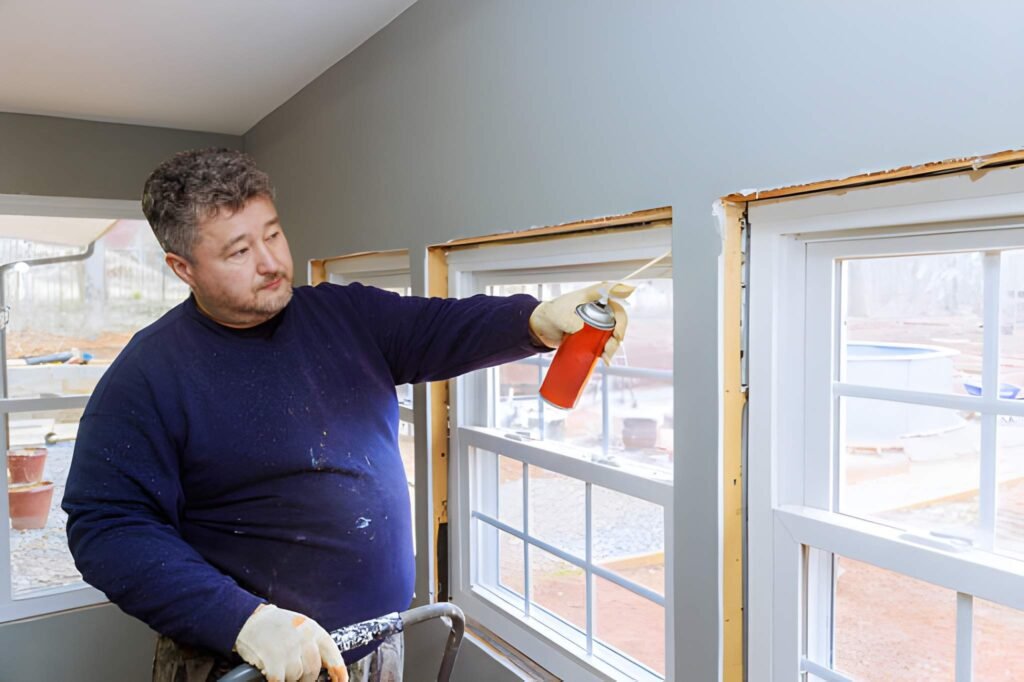
Single-family housing repair loans are specialized financial products designed to help homeowners maintain, repair, and improve their primary residence. Unlike standard personal loans or credit cards, these loans often feature specific terms tailored for home rehabilitation, addressing issues ranging from critical structural repairs to essential system upgrades. Understanding the nuances of these loans—including government-backed programs, conventional options, and their respective eligibility requirements—is crucial for homeowners seeking to protect their investment and ensure their property remains safe, functional, and valuable.
The Spectrum of Repair Loan Options
Home repair financing exists on a continuum, from highly-subsidized government programs for basic health and safety to conventional loans for discretionary improvements.
1. Government-Insured Programs: Targeted Assistance
These programs are typically designed for low-to-moderate-income homeowners and focus on necessities rather than luxury upgrades.
A. Section 504 Home Repair Program (U.S. Department of Agriculture)
Commonly known as the “Single Family Housing Repair Loans & Grants” program, this is a direct loan from the USDA.
- Purpose: To remove health and safety hazards or to improve accessibility for disabled household members. Examples include repairing a failing roof, replacing a faulty heating system, or installing wheelchair ramps.
- Key Features:
- Loan Amount: Up to $40,000.
- Term: 20-year term.
- Interest Rate: Fixed at 1%.
- Grant Component: Homeowners aged 62 or older may qualify for a grant of up to $10,000, which must be repaid if the property is sold within three years.
- Eligibility:
- Owner-occupant of the property.
- Unable to secure affordable credit from other sources.
- Family income below 50% of the area median income.
- Property must be located in a USDA-eligible rural area.
B. FHA 203(k) Rehabilitation Mortgage Insurance
This is the most comprehensive government-backed program, allowing homeowners to finance both the purchase (or refinance) and rehabilitation of a property through a single mortgage.
- Purpose: To fund a wide range of repairs, from structural and systemic to cosmetic improvements.
- Key Features:
- Two Types: The “Limited 203(k)” covers repairs up to $35,000 for non-structural work. The “Standard 203(k)” has no maximum repair limit but is for complex projects requiring architectural reviews.
- Loan Basis: The loan amount is based on the projected value of the property after renovations are complete.
- Consultant Oversight: A HUD-approved consultant is mandatory for the Standard 203(k) to oversee the project scope.
- Eligibility: Standard FHA requirements apply, including owner-occupancy and a minimum credit score (often 580 with a 3.5% down payment).
C. FHA Title 1 Property Improvement Loan
This program provides insurance to private lenders who make loans for property improvements.
- Purpose: For alterations, repairs, and improvements that enhance the property’s livability or durability.
- Key Features:
- Loan Amount: Up to $25,000 for a single-family home.
- Term: Up to 20 years.
- Credit Focus: Emphasis on the borrower’s ability to repay rather than strict credit scores or home equity.
- Eligibility: The homeowner must demonstrate repayment capability, and the property must be a 1-4 family dwelling.
2. Conventional Private-Sector Loans
These options offer more flexibility but generally at a higher cost than government-subsidized programs.
- Home Equity Loans/Lines of Credit (HELOCs): Ideal for homeowners with significant equity. A home equity loan provides a lump sum at a fixed rate, while a HELOC offers a revolving line of credit with a variable rate. These are not restricted to specific repair types.
- Personal Loans: Unsecured loans based on creditworthiness. They provide fast funding without requiring home equity but carry higher interest rates and lower borrowing limits.
- Contractor-Arranged Financing: Some contractors partner with lenders to offer project-specific financing. These require careful scrutiny, as terms and interest rates can be less favorable.
Strategic Selection: Matching the Loan to the Need
Choosing the right financing tool requires a clear assessment of the project’s scope, the homeowner’s financial profile, and the property’s location.
| Loan Type | Ideal Use Case | Maximum Amount | Primary Advantage | Primary Disadvantage |
|---|---|---|---|---|
| USDA 504 Loan | Critical health/safety repairs for low-income rural homeowners. | $40,000 | Extremely low 1% fixed interest rate. | Stringent income and geographic eligibility. |
| FHA 203(k) Loan | Major renovations or purchasing a fixer-upper. | Based on after-repair value. | Consolidates purchase and renovation costs. | Complex process with mandatory oversight. |
| FHA Title 1 Loan | Moderate-cost improvements for borrowers with limited equity. | $25,000 | No home equity or collateral required. | Lower maximum loan amount. |
| Home Equity Loan | Costly repairs for homeowners with substantial equity. | Up to 80-85% of home equity. | Lower interest rates; potential tax benefits. | Puts the home at risk as collateral. |
| Personal Loan | Small-to-mid-scale repairs for borrowers with excellent credit. | Varies (often $50,000-$100,000). | Rapid access to funds; no collateral. | Highest interest rates among secured options. |
The Loan Execution Process
For government-backed loans, the process is methodical and requires documentation:
- Identify the Appropriate Lender/Agency: FHA loans require an FHA-approved lender; USDA loans are applied for through a local USDA Rural Development office.
- Develop a Detailed Proposal: Provide written estimates from licensed contractors outlining the scope and cost of work.
- Property Assessment: An appraisal (FHA 203k) or feasibility analysis (USDA) ensures the work is warranted and the property will meet program standards upon completion.
- Escrow and Disbursement: Funds are typically held in escrow and released in stages as work is completed and inspected, protecting both the homeowner and the lender.
Single-family housing repair loans are vital tools for maintaining the safety, integrity, and value of residential properties. The optimal choice hinges on a homeowner’s specific circumstances: income level, geographic location, available equity, and the nature of the repairs needed. For qualified low-income homeowners in rural areas, the USDA 504 program offers an unparalleled opportunity. For those undertaking substantial renovations, the FHA 203(k) provides a powerful, all-in-one solution. Homeowners with significant equity will typically find home equity products to be the most cost-effective and flexible option. A thorough evaluation of both the property’s needs and the homeowner’s financial standing is the essential first step toward securing the right financing for successful home preservation.