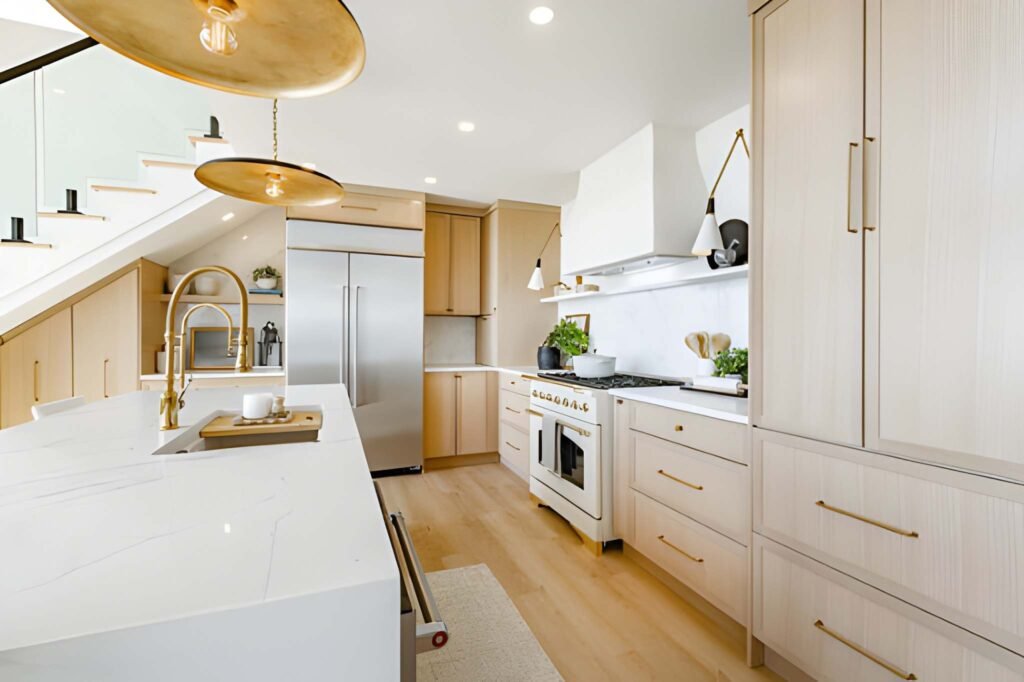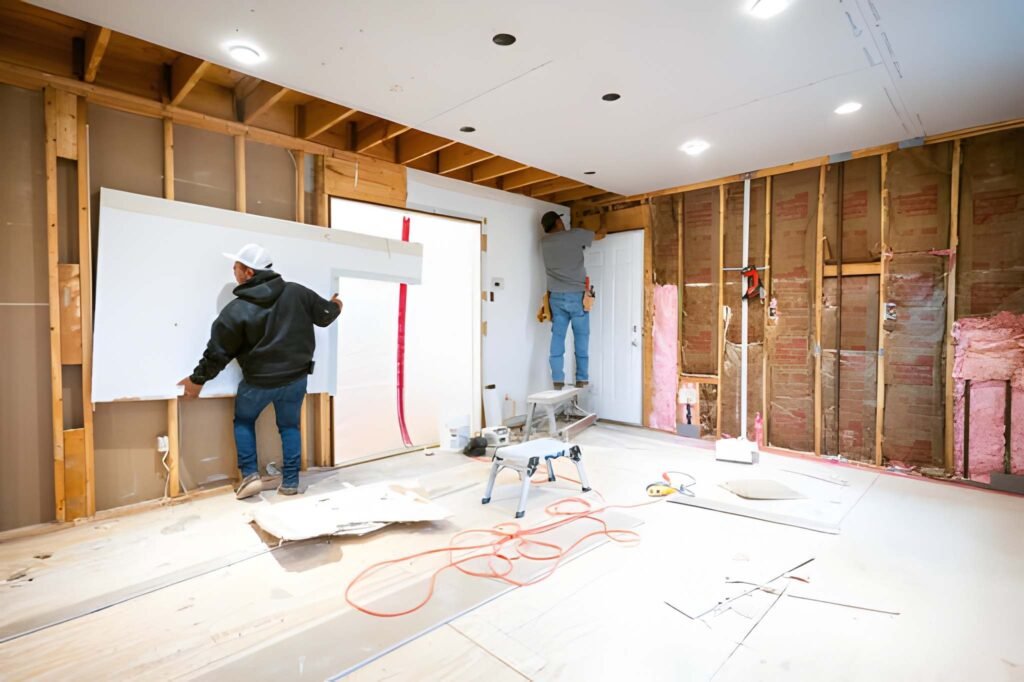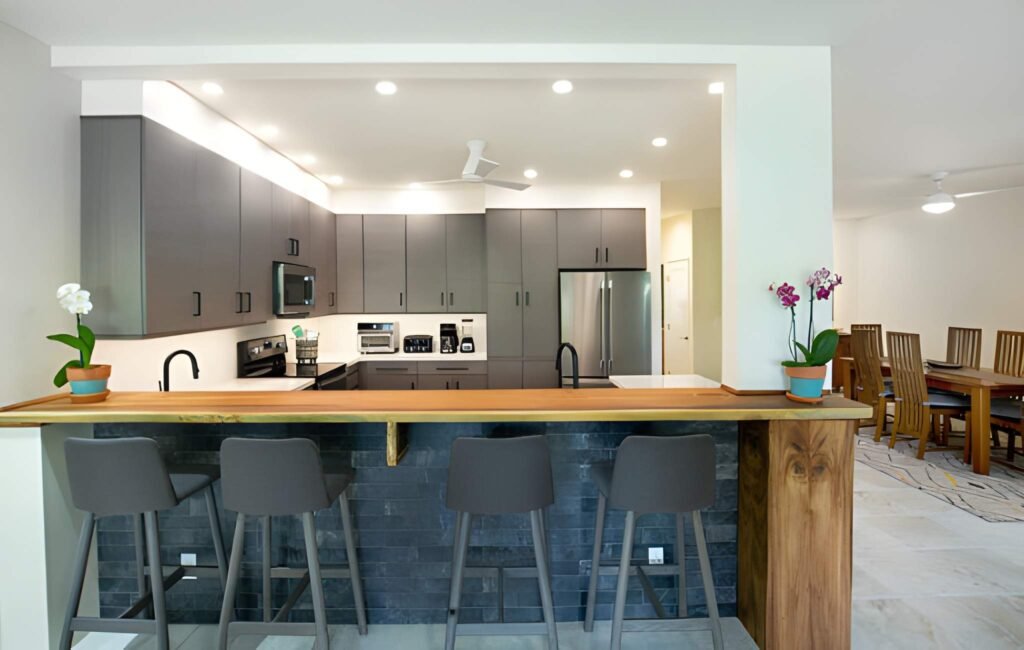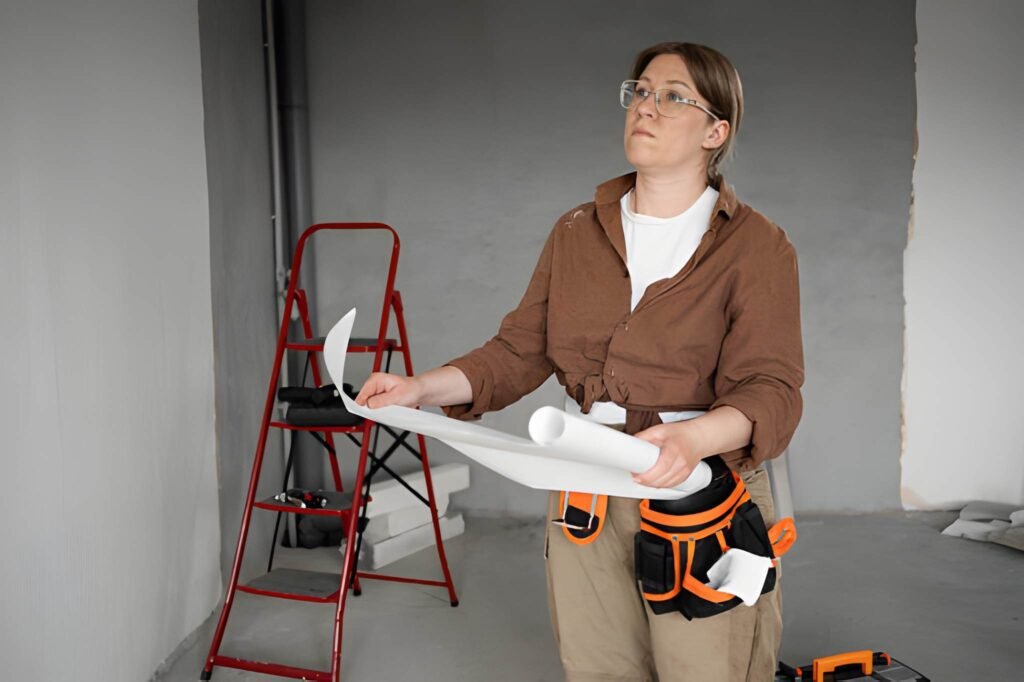

The decision to secure a one-month rental during a home renovation is often viewed as a luxury or an avoidable expense. In reality, for any project of significant scale—be it a whole-house gut rehab, a comprehensive kitchen and bath overhaul, or an addition—it is a critical strategic investment in the project’s success, the contractor’s efficiency, and the homeowner’s sanity. This temporary relocation is not about comfort; it is about creating the necessary physical and psychological space for transformation to occur unimpeded. It is the single most effective way to de-risk a complex project, accelerating the timeline, protecting your belongings and health, and preserving the well-being of everyone involved.
The Unseen Costs of “Living Through It”
The romanticized notion of camping out in one room while the rest of the house is a construction zone quickly collides with a harsh reality. The true cost of remaining in place often far exceeds the financial outlay for a short-term rental.
The Productivity Tax on Contractors: When homeowners are present, the workflow is constantly interrupted. Contractors must halt noisy work for phone calls, clean pathways multiple times a day, and schedule disruptive tasks around the homeowner’s sleep or work schedule. This “stop-and-start” rhythm can extend a project’s timeline by 25% or more. A vacant property allows for an uninterrupted, logical sequence of work. Crews can start early, work late if needed, and leave tools and materials exactly where they are most efficient, leading to a faster, more focused completion.
The Physical and Health Hazards: A renovation site is inherently dangerous. Dust from drywall, silica from concrete, and volatile organic compounds (VOCs) from paints and adhesives permeate the entire living environment, regardless of plastic sheeting barriers. This poses a significant risk to respiratory health, especially for children, the elderly, or those with allergies or asthma. Tripping over extension cords, navigating around stored materials, and the constant presence of debris create an unsafe living condition. A temporary relocation removes your family from this hazardous environment entirely.
The Psychological Toll: The unrelenting noise, the loss of routine, the inability to cook or relax, and the visual chaos of a construction site create a state of chronic stress. Decision fatigue is amplified when you are making critical choices about tile or faucet finishes surrounded by the din of saws and hammers. The mental exhaustion can lead to poor decisions, strained relationships, and a deep resentment toward the project itself. A separate, calm sanctuary allows you to process decisions clearly and return to the site for walk-throughs with a fresh, objective perspective.
Sourcing the Right Temporary Residence
The ideal one-month rental for a renovation is different from a vacation rental. Its primary attributes are functionality, proximity, and flexibility.
Corporate Housing vs. Short-Term Rental Platforms: Corporate housing apartments (often found through networks like Oakwood or National Corporate Housing) are purpose-built for this need. They come fully furnished with kitchenware, linens, and utilities included, and they typically offer flexible 30-day leases. Platforms like Airbnb and Vrbo can also be excellent resources, but you must filter for “monthly stay” discounts and scrutinize the listing to ensure it functions as a true home, not just a vacation spot. Look for reliable WiFi, a dedicated workspace, and a functional kitchen.
The Proximity Premium: The cost of a rental slightly farther from your home may be lower, but a premium for a property within a 5-10 minute drive is often money well spent. This allows for daily or every-other-day site visits to check on progress, answer urgent questions from the contractor, and accept deliveries without a significant time investment or commute. Being close by maintains your connection to the project without forcing you to live inside it.
Key Lease Considerations: When booking, confirm the terms explicitly. Ensure the lease is for a firm 30-day period, understand the cancellation policy in the highly unlikely event your renovation finishes early, and verify what is included (internet, parking, laundry). A lease agreement that provides stability is crucial.
Strategic Integration with the Renovation Timeline
The rental period should be carefully synchronized with the project’s most disruptive phases. It is not always necessary to vacate for the entire duration.
The Critical Vacancy Window: The most essential time to be off-site is during the “rough-in” and demolition phase. This 2-4 week period involves the most noise, dust, and danger. Key activities include:
- Full Demolition: The controlled chaos of tearing out old fixtures, cabinets, and walls.
- Structural Work: Any framing, beam installation, or floor leveling.
- Mechanical Rough-Ins: The running of new electrical wires, plumbing pipes, and HVAC ductwork, which requires walls and ceilings to be open.
- Drywall and Plaster Work: The sanding of drywall joint compound creates an exceptionally fine, pervasive dust that is impossible to contain fully.
The Move-Out and Move-In Coordination: Plan to move out 1-2 days before major demolition begins. This allows you to pre-pack and remove any items the contractor does not need to move. The return date should be scheduled for at least one week after the projected completion date. This buffer accounts for almost inevitable delays and provides time for the contractor to perform a deep clean, ensuring you return to a finished home, not a construction site.
Financial Justification and Budgeting
The cost of a one-month rental should be integrated into the initial renovation budget as a non-negotiable line item, similar to the contractor’s contingency fund.
Weighing Cost vs. Benefit: Frame the expense not as a sunk cost, but as an investment with a tangible return. The rental cost is a fixed amount. The cost of project delays, caused by living in the space, is variable and often much higher. If your presence adds just one week to a project managed by a crew costing $5,000 per week, the rental has already paid for itself. Furthermore, it protects the value of your new investment by preventing damage to finished surfaces or new appliances from ongoing construction dust.
Tax Implications: For a primary residence renovation, the rental cost is generally not tax-deductible. However, if you are renovating a rental property or a home office used exclusively for business, a portion of the temporary housing costs may be deductible as a business expense. Consultation with a tax professional is recommended.
Securing a one-month rental is the hallmark of a well-planned, professionally managed renovation. It is a clear acknowledgment that a home cannot simultaneously be a construction site and a sanctuary. By creating physical separation, you empower your contractor to work with maximum efficiency, you safeguard your family’s health and well-being, and you protect the investment you are making in your property. The relatively modest cost of a temporary residence pales in comparison to the immense value of a smoother, faster, and less stressful journey to your newly transformed home. It is the strategic key that unlocks the full potential of the renovation process.