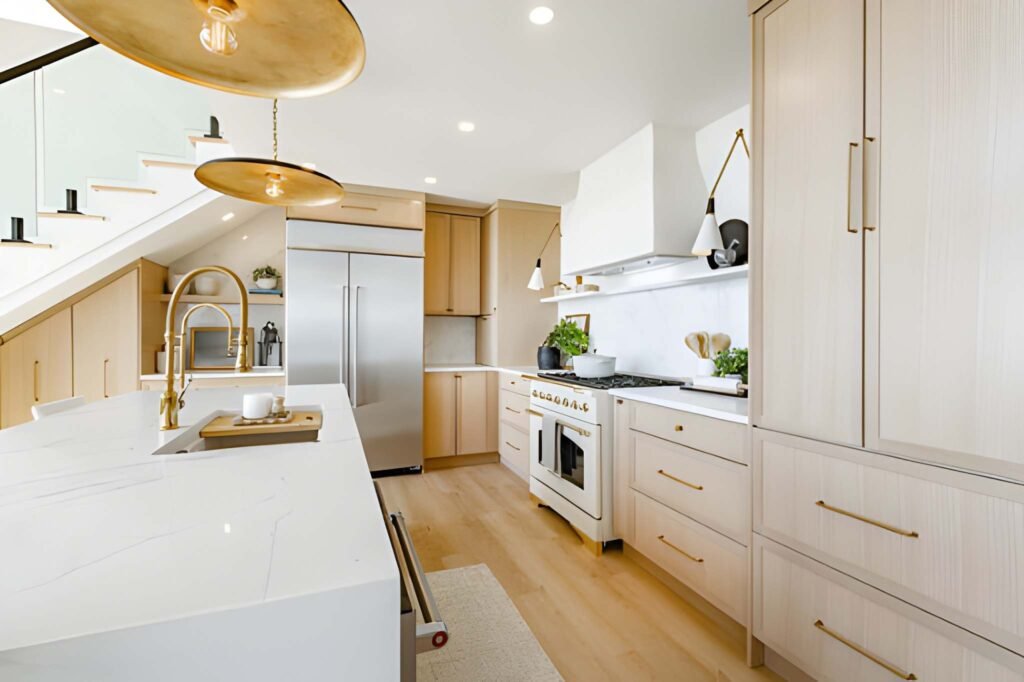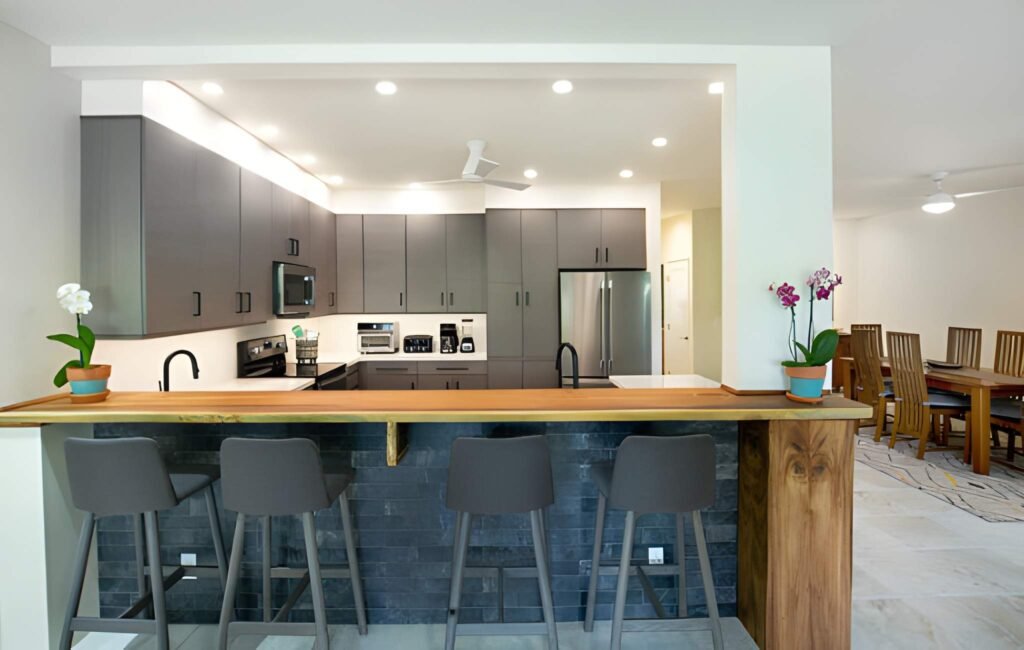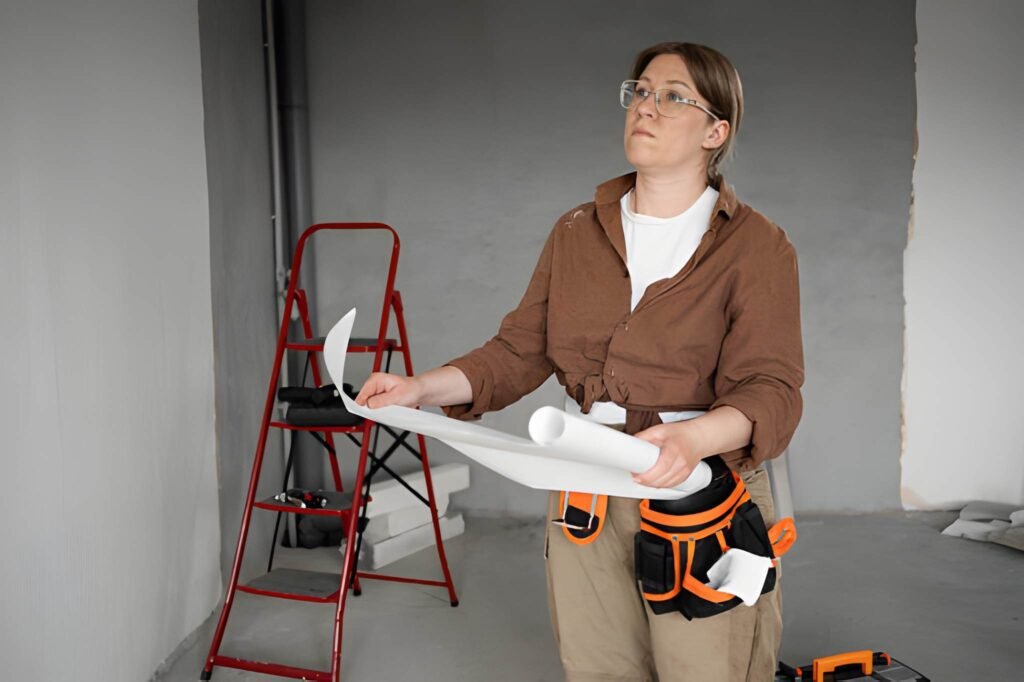
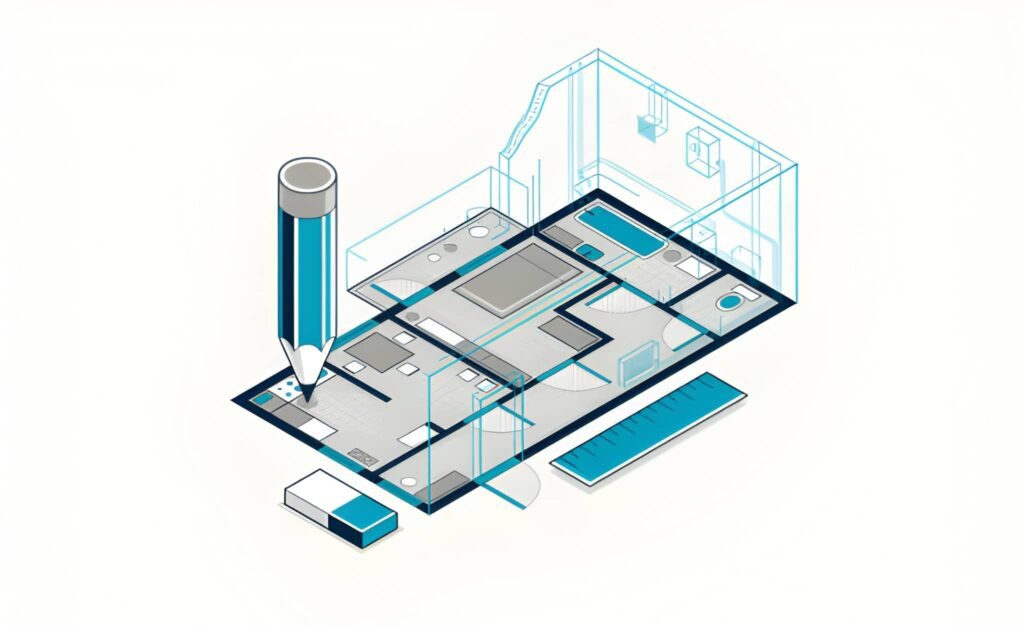
Apartment renovation represents a unique category of remodeling that balances personal vision with practical constraints. Unlike standalone homes, apartments exist within a larger ecosystem of shared walls, common areas, and governing regulations. A successful renovation requires navigating this complex landscape while transforming a standardized space into one that reflects individual needs and aesthetic preferences. The process demands equal parts creativity and pragmatism, where every decision from layout changes to material selection must consider both immediate impact and long-term functionality.
The Foundation: Defining Your Renovation Philosophy
Before examining paint samples or flooring options, you must establish the fundamental purpose of your renovation. This core objective will guide every subsequent decision.
The Investment-Focused Renovation prioritizes return above all else. This approach is characterized by strategic upgrades that maximize property value without overcapitalizing. The aesthetic is universally appealing—neutral color palettes, durable mid-range materials, and layouts that maximize perceived space. Kitchen and bathroom updates offer the highest return, but the investment is carefully calibrated against neighborhood comps. This philosophy avoids overly personal or trendy choices in favor of what market data shows appeals to the broadest pool of potential buyers or tenants.
The Lifestyle Renovation centers on creating a home tailored to specific ways of living. Here, the resident’s daily habits, hobbies, and comfort take precedence over resale considerations. This might mean sacrificing a bedroom to create a spacious home office, installing custom storage for collections, or designing a kitchen layout optimized for serious cooking. Materials are chosen for pleasure and durability rather than purely for cost. While resale value isn’t ignored, it becomes secondary to creating an environment that genuinely supports how the occupants want to live.
The Rental Optimization Renovation walks a careful line between cost containment and tenant appeal. The goal is to create an attractive, functional space that withstands the wear of multiple occupants while minimizing maintenance calls. Choices prioritize durability and ease of replacement—think scratch-resistant laminate flooring instead of real wood, quartz composite counters over natural stone, and semi-gloss paint that can be easily wiped clean. The design is contemporary but neutral, allowing potential tenants to envision themselves in the space without being distracted by the owner’s personal style.
Navigating the Apartment Ecosystem: Rules and Realities
The single greatest differentiator between apartment and house renovations is the web of external regulations and physical constraints.
Understanding Governing Documents is the non-negotiable first step. The building’s covenants, conditions, and restrictions (CC&Rs) or co-op proprietary lease will outline critical limitations. These documents frequently specify:
- Approved construction hours and noise restrictions
- Rules for moving materials and debris through common areas
- Requirements for elevator padding and hallway protection
- Insurance and liability requirements for contractors
- Restrictions on plumbing and electrical modifications
- Flooring requirements, particularly for sound attenuation
The Physical Constraints of apartment living directly impact renovation possibilities. Load-bearing walls often cannot be altered without engineering approval. The locations of plumbing stacks and electrical risers may limit how far kitchens and bathrooms can be relocated. Ceiling heights might preclude certain lighting options, and window placement can dictate furniture arrangements. A professional assessment early in the planning process can identify which walls are structural and what systems can be practically modified.
The Human Dimension requires careful management. Unlike a house renovation where disruption primarily affects the occupants, apartment work inevitably impacts neighbors. Proactive communication about timelines, potential noise, and scheduled disruptions builds goodwill and can prevent formal complaints. Phasing noisy work during approved hours and containing dust demonstrates respect for shared living environments.
The Strategic Execution Framework
A successful apartment renovation follows a disciplined sequence that respects both the construction process and the building community.
Phase 1: Pre-Construction Documentation and Approval
This administrative phase often determines the project’s smoothness. It involves:
- Securing required permits from both municipal authorities and building management
- Providing detailed plans to the building’s architect or engineering team for review
- Scheduling elevator use and confirming contractor insurance requirements
- Establishing a realistic timeline that accounts for building restrictions
Phase 2: Demolition and Protection
The physical work begins with careful preparation:
- Installation of floor-to-ceiling dust barriers at the apartment entrance
- Protection of all common areas along the path from street to apartment
- Systematic removal of existing fixtures, cabinets, and non-structural elements
- Assessment of underlying conditions once surfaces are exposed
Phase 3: Systems and Structural Work
With the space exposed, foundational updates proceed:
- Any necessary electrical rewiring and panel upgrades
- Plumbing modifications and modernizations
- HVAC adjustments or ductwork modifications
- Structural modifications if approved and engineered
- Installation of soundproofing insulation in walls and floors
Phase 4: Enclosure and Surfaces
The space begins taking its new form through:
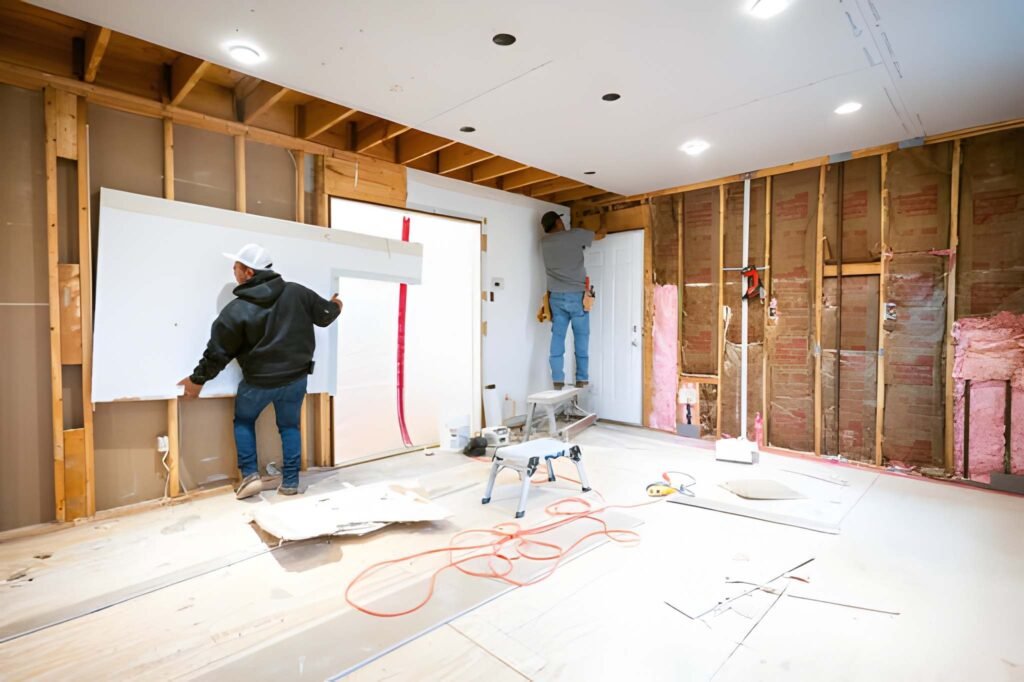
- Drywall installation and finishing
- Flooring installation with required underlayment
- Wall tiling in kitchens and bathrooms
- Ceiling repairs and potentially new lighting integration
- Primer application on all surfaces
Phase 5: Finishes and Fixtures
The character of the space emerges during this phase:
- Cabinet and built-in installation
- Countertop templating and installation
- Painting and wallpaper application
- Light fixture and plumbing trim installation
- Appliance placement and connection
Phase 6: Final Details and Transition
The project concludes with:
- Flooring transitions and trim work
- Hardware installation on cabinets and doors
- Deep cleaning and touch-up painting
- Final inspections and building sign-off
- Furniture placement and personalization
Budget Allocation and Value Decisions
A realistic budget acknowledges that apartment renovations often carry unique costs not present in single-family homes.
| Budget Category | Typical Allocation | Strategic Considerations |
|---|---|---|
| Professional Services & Permits | 10-15% | Includes building application fees, architect/designer services, and municipal permits |
| Kitchen | 20-30% | Highest impact area where quality should align with renovation purpose |
| Bathroom(s) | 15-25% | Second most important space for value creation |
| Flooring | 10-15% | Must balance aesthetics with building sound transmission requirements |
| Lighting & Electrical | 8-12% | Modernizing lighting often provides dramatic transformation |
| Painting & Wall Treatment | 5-8% | Relatively low cost for significant visual impact |
| Built-ins & Storage | 5-10% | Custom solutions maximize functionality in limited space |
| Building & Contractor Fees | 5-10% | Specific to apartments: elevator fees, disposal charges, superintendent fees |
| Contingency | 10-15% | Essential for addressing unexpected conditions once walls are opened |
The most successful apartment renovations demonstrate a clear understanding of proportion and scale. In compact urban spaces, every element must work harder—storage doubles as room division, furniture serves multiple functions, and lighting creates both atmosphere and perceived volume. The choice between open-plan living and defined rooms depends not just on preference but on realistic assessment of how the space will be used daily.
Material selection in apartments requires particular attention to transport and installation. Large format tiles, full-height doors, and oversized appliances must fit through elevators and narrow corridors. The sequencing of material delivery becomes a logistical puzzle that, when solved poorly, can create costly delays and building conflicts.
Ultimately, the well-executed apartment renovation achieves something remarkable: it transforms a standardized unit into a personalized home while respecting its place within a larger community. It balances bold vision with practical compromise, creating spaces that feel both expansive and intimate, modern and timeless, highly personal yet universally appealing. This delicate equilibrium is the true art of apartment renovation, where constraints don’t limit creativity but rather give it form and purpose.