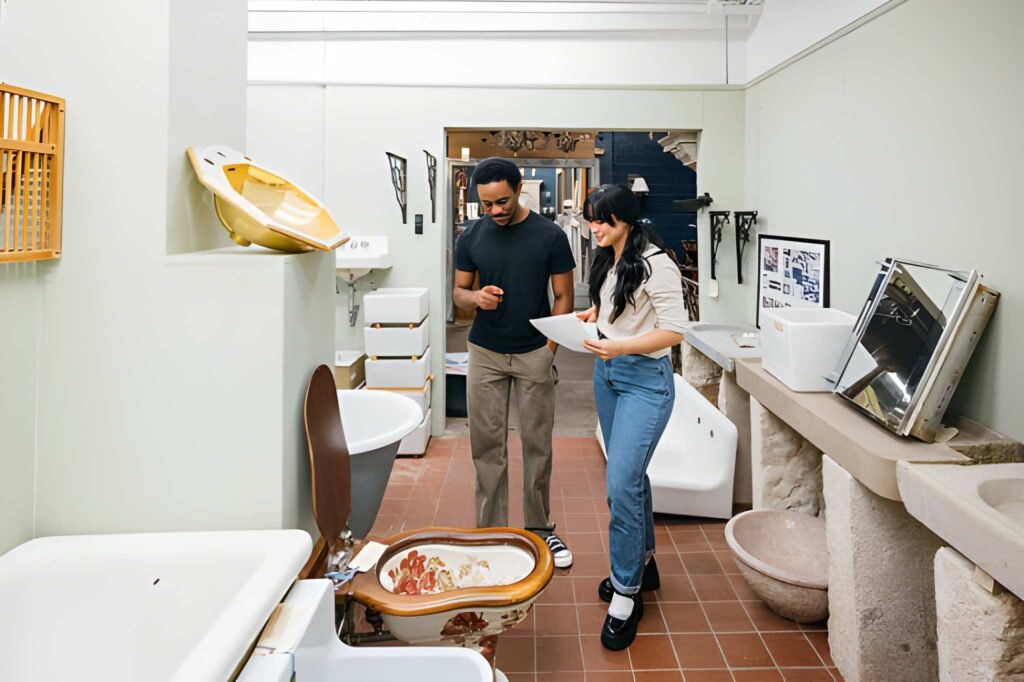
A five-thousand-dollar home renovation operates under a distinct and uncompromising set of rules. This is not the budget for structural changes, professional room makeovers, or high-end material upgrades. Instead, it is a budget of focus and precision, where every dollar must work twice as hard to deliver visible results. The success of a $5,000 project hinges on a clear-eyed understanding of its limitations and a strategic embrace of its unique potential. This is the realm of the DIY-able, the cosmetic, and the highly tactical—a financial investment that, when applied with intelligence and effort, can yield a dramatic return in both comfort and curb appeal without requiring a second mortgage.
The Foundational Mindset: Constraints as a Creative Catalyst
The first step is to abandon any notion of a full-room gut job. A $5,000 budget, if you were to hire contractors for everything, would be consumed almost entirely by labor costs, leaving little for materials. Therefore, the core philosophy for this level of investment must be owner-empowerment. Your own labor, or your willingness to learn new skills, is the primary currency that will stretch these funds into a meaningful transformation. The goal is to identify the projects that offer the highest visual or functional return for the lowest cash outlay.
Your strategy must be guided by a clear hierarchy of value. Begin with a walk-through of your home and note the elements that cause the most daily frustration or that create the worst first impression. Is it the dark, dated lighting? The scuffed and tired floors? The drab, peeling exterior? The most powerful $5,000 renovations often address a single, pervasive issue throughout the home, or combine two or three highly focused mini-projects that create a cohesive sense of renewal.
The following table outlines the most effective strategic paths for this budget:
| Strategic Path | Primary Goal | Key Tactic |
|---|---|---|
| The Cohesive Cosmetic Overhaul | Create a unified, modern feel throughout the main living areas. | Focus on paint, lighting, and hardware—the “jewelry” of the home. |
| The Curb Appeal Crusade | Maximize the home’s first impression and exterior value. | Invest in the front door, landscaping, and clean lines. |
| The Functional Problem-Solver | Address one or two specific, nagging issues that improve daily life. | Target storage, organization, or a single outdated fixture. |
High-Impact Project Portfolios for $5,000
With the right strategy, $5,000 can be deployed to create a stunning amount of change. The following portfolios are realistic, high-yield endeavors that combine material costs with a moderate to high level of DIY involvement.
Portfolio 1: The Whole-House Cosmetic Revival
This approach uses a consistent color palette and modern updates to make the entire interior feel fresh, clean, and intentional.
- Professional-Quality Interior Paint (DIY): $750 – $1,200
This is, without question, the single most cost-effective transformation in all of home improvement. For this budget, you can invest in high-quality paint, primer, and the proper tools—brushes, rollers, painter’s tape, and drop cloths. Painting all walls, ceilings, and trim in a modern, neutral palette instantly erases years of wear and dated colors. The labor is your own, but the payoff is profound. - Modern Light Fixtures & Hardware (DIY/Pro Install): $1,500 – $2,000
Replace every builder-basic ceiling light, fan, and outdated brass doorknob. Swap out old toggle light switches for clean, rocker-style switches. This is a project with a surprisingly low skill barrier; many fixture replacements require only a voltage tester and a screwdriver. Updating these details throughout the home creates a cohesive, polished look that signals a well-maintained property. - New Flooring in Key Areas (DIY): $1,800 – $2,500
Instead of replacing all flooring, focus on the most visible or worn areas. Today’s luxury vinyl plank (LVP) is a DIY-friendly product that clicks together over the existing subfloor. Replacing the flooring in the entryway, living room, and hallways—the “main flow” of the home—creates a continuous, modern foundation. The remaining carpet in bedrooms can be professionally deep-cleaned for a fraction of the cost of replacement.
This portfolio consumes the entire budget but transforms the home’s entire aesthetic character, making it feel move-in ready to a potential buyer or newly beloved to its owner.
Portfolio 2: The Maximum Curb Appeal Package
The exterior of your home is its handshake. A $5,000 investment here can significantly alter perceived value.
- A New Front Door or Professional Paint Job: $300 – $2,500
If your door is dated but structurally sound, a professional spray job in a bold, modern color (like a deep navy or charcoal) can cost a few hundred dollars. If it’s beyond repair, a new steel or fiberglass door provides excellent insulation and style for a larger portion of the budget. This is the centerpiece of your facade. - Strategic Landscaping: $1,000 – $1,500
This does not mean a few annuals. Hire a landscaper for a half-day of “curb appeal” work: edging the lawn, laying fresh mulch in all beds, pruning overgrown shrubs, and planting a few clusters of durable, low-maintenance perennials like lavender, ornamental grasses, or boxwoods. This creates a manicured, intentional look. - Modern Exterior Accents (DIY): $500 – $800
Replace old, tarnished house numbers with larger, modern ones. Install a new, solid mailbox. Update the porch light and any flanking sconces to match the new door’s style. Add two large, statement planters with evergreen shrubs on either side of the door. - Professional Window Cleaning & Gutter Cleaning: $400 – $600
The power of a truly clean exterior is underestimated. Sparkling windows and clean gutters make the entire home look cared for and bright. - Power Wash the Driveway & Siding: $300 – $500 (or DIY with a rental)
Removing years of grime, moss, and mildew from walkways and siding is like giving the house a deep cleanse, revealing its original color and texture.
This approach uses every dollar to create a powerful and welcoming first impression that boosts pride and property value.
Portfolio 3: The Kitchen and Bathroom Facelift
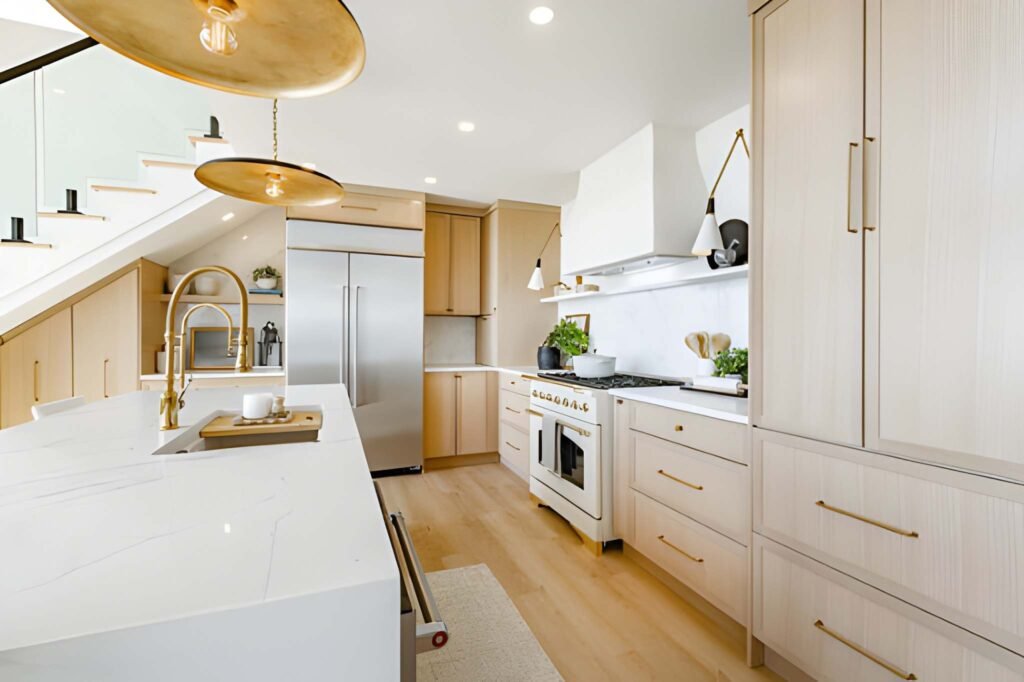
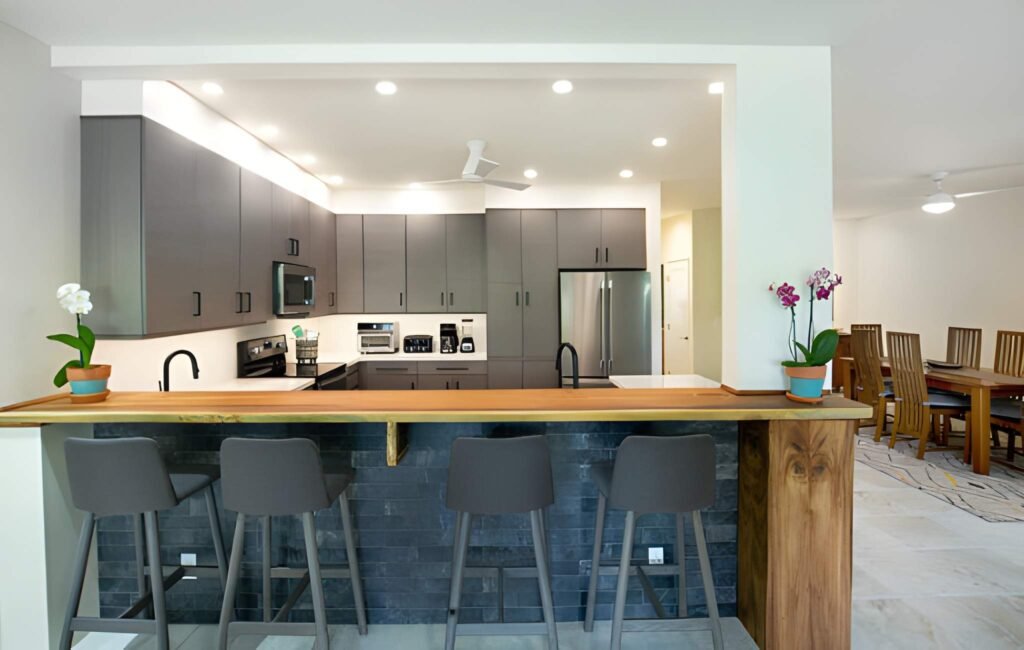
A full remodel is impossible, but a strategic facelift for these high-value rooms is entirely within reach.
- Kitchen Cabinet Transformation (DIY): $800 – $1,500
This involves meticulously cleaning, sanding, and priming cabinet boxes, then applying a hardwearing enamel paint with a sprayer or foam roller. Pair this with new, modern hardware (pulls and knobs). The visual impact is staggering for the cost. - New Countertops & Sink (Pro Install): $1,800 – $2,500
While stone is out of reach, a professional-grade laminate that mimics quartz or butcher block is a durable and stylish option. A pro can install new counters and an under-mount sink in a day, completely updating the room’s focal point. - New Faucet & Lighting (DIY): $300 – $500
A new, high-arc kitchen faucet and a modern pendant light over the sink (or a flush-mount ceiling light) provide the functional jewelry. - Bathroom Vanity & Mirror Update: $600 – $1,000
Replace a dated, cultured marble vanity with a new, pre-assembled unit from a home center. Install a large, frameless mirror or two modern medicine cabinets. Update the vanity light fixture to something with integrated LEDs.
This portfolio leverages a mix of DIY and strategic professional help to deliver 80% of the visual impact of a full remodel for a fraction of the cost.
The Execution: The DIY Imperative and Smart Sourcing
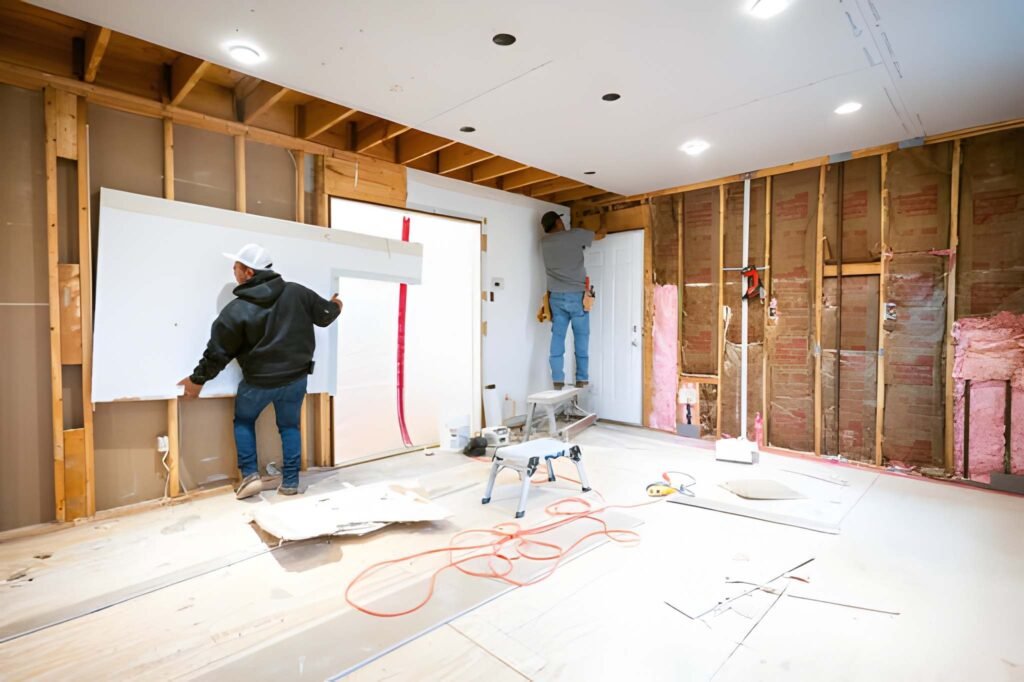
At this budget, your planning must be meticulous. You become the project manager and primary laborer. This requires honest self-assessment of your skills. Painting and hardware installation are low-risk starting points. Flooring installation requires more precision but is learnable through online resources. Electrical work beyond a simple like-for-like fixture swap should be left to a professional.
Sourcing materials intelligently is paramount. This does not mean buying the cheapest option, but rather finding the best value. Look for floor model appliances or scratch-and-dent items that are hidden from view. Shop at local hardware stores for advice and quality paint, but consider big-box stores for standard materials like lumber and drywall. Always set aside 10% of your budget ($500) for unforeseen costs—the specialized tool you need to rent, the patch compound for unexpected drywall damage, or the extra box of flooring.
A $5,000 home renovation is a test of vision and will. It proves that transformative change is not always a function of vast capital, but of focused effort and intelligent choices. By embracing the constraints, leveraging your own capacity for work, and deploying funds with surgical precision, you can achieve a level of satisfaction and results that far exceeds the modest financial input. The outcome is a home that feels renewed, a bolstered sense of accomplishment, and a clear demonstration that value is often created not by what you spend, but by how thoughtfully you spend it.