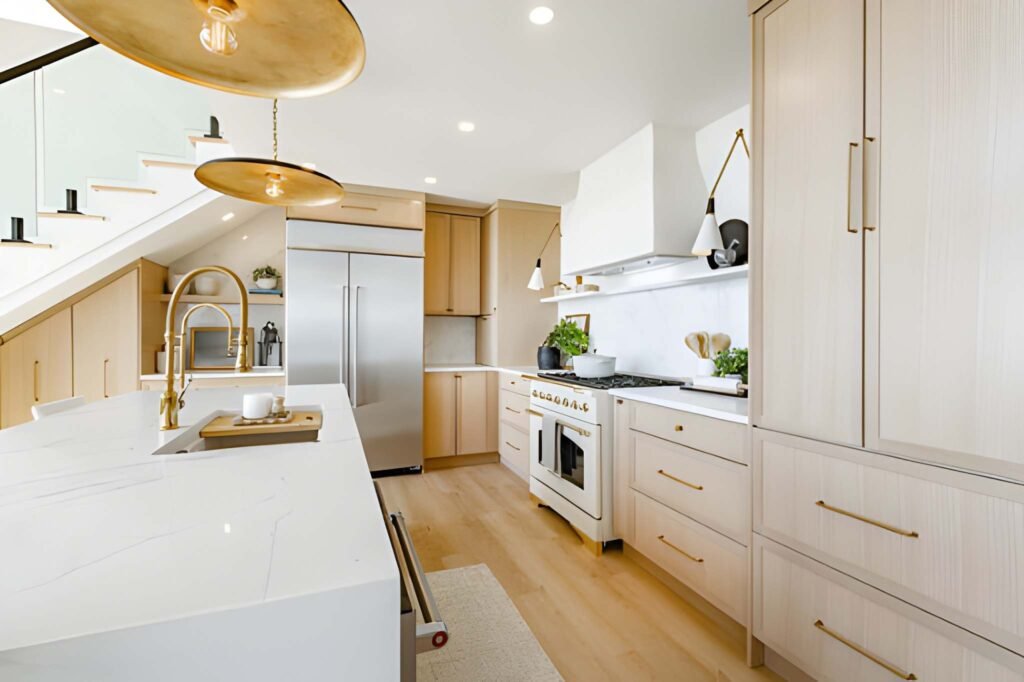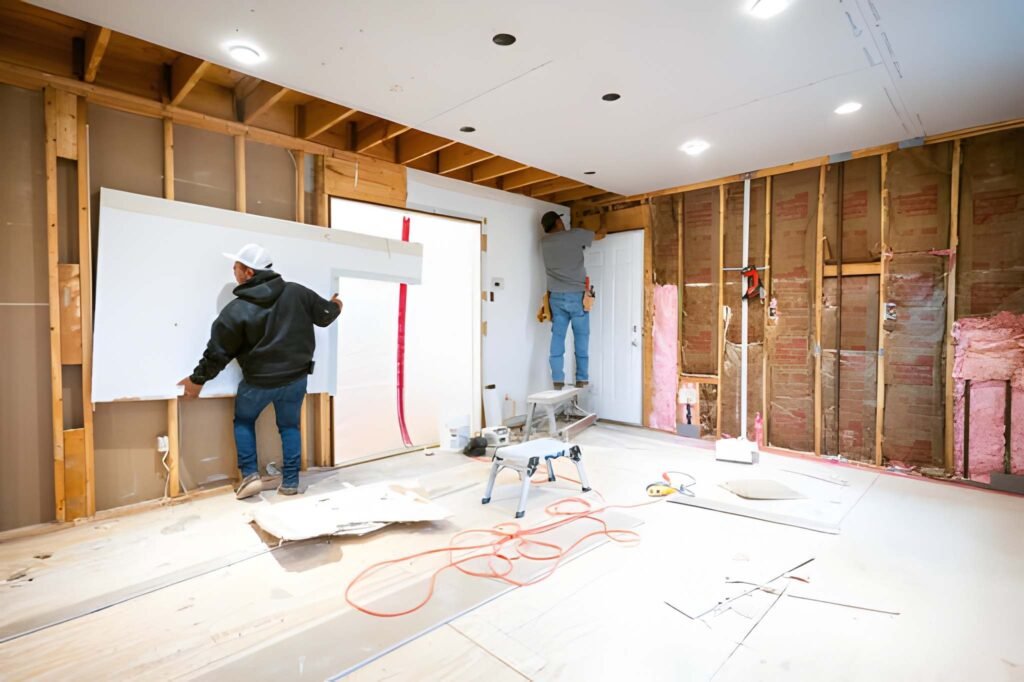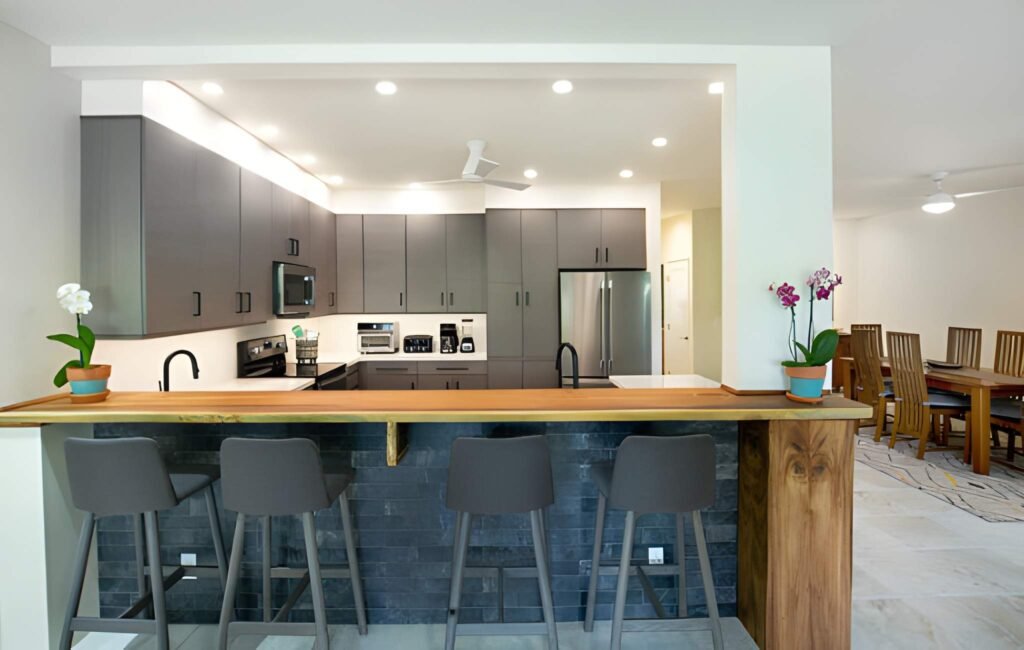

A thirty-thousand-dollar kitchen renovation represents a significant and pivotal investment in the heart of your home. This budget tier occupies a crucial space in the remodeling landscape—it far surpasses the limitations of a simple cosmetic refresh, yet it demands more strategic discipline than a no-expense-spared, down-to-the-studs overhaul. At this financial threshold, you gain access to professional-grade materials, skilled craftsmanship, and the potential to alter the fundamental function and flow of the space. The goal of a $30,000 kitchen is not just to look new; it is to perform at a higher level, to incorporate durability and efficiency, and to create a cohesive aesthetic that feels both intentional and elevated. Success here hinges on a clear-eyed allocation of resources, a willingness to make informed trade-offs, and a focus on the elements that deliver the greatest return in both daily utility and long-term value.
The Strategic Foundation: Scope and Limitations
The first step in a successful $30,000 renovation is defining what is possible. This budget provides substantial transformative power, but it is not infinite. You are likely working within the existing kitchen footprint, as moving plumbing and gas lines or knocking down load-bearing walls can consume a third of your budget before you select a single cabinet. The project becomes a masterclass in optimization. The focus shifts from changing the kitchen’s location to perfecting the kitchen you have. This involves replacing all major components—cabinetry, countertops, flooring, appliances, and lighting—with mid-to-high-end materials, while potentially undertaking one or two strategic structural changes, such as removing a non-load-bearing wall to open the space to an adjacent room. The philosophy is one of comprehensive upgrade rather than fundamental reorganization.
A professional and detailed design plan is non-negotiable. For a project of this cost, engaging a kitchen designer, often available through showrooms at no direct cost if you purchase through them, is a wise move. They can help you avoid costly layout mistakes and visualize the finished product. Simultaneously, you must invest in a precise cost breakdown. This budget requires a line-item approach, assigning specific dollar amounts to each category to prevent scope creep, where small upgrades in one area cascade into major overruns elsewhere.
The Budget Blueprint: A Strategic Allocation of Funds
A $30,000 kitchen renovation demands a disciplined financial plan. The following table illustrates a realistic and strategic allocation of funds for a standard-sized kitchen of approximately 150 square feet. This model assumes the use of a general contractor and reflects market rates for materials and professional installation.
| Budget Category | Allocation | Rationale & Material Options |
|---|---|---|
| Cabinetry & Hardware | $12,000 – $15,000 | The largest single investment. This covers semi-custom cabinet boxes with upgraded door styles (e.g., shaker, slab) in a durable finish like plywood construction. Includes soft-close hinges and drawers. |
| Countertops | $4,500 – $6,000 | The visual centerpiece. This budget allows for quality quartz, mid-tier granite, or butcher block for a large island. Price includes professional templating and installation. |
| Appliances | $5,000 – $7,000 | Enables a full suite of matching, energy-efficient appliances from a reliable mid-tier brand (e.g., Bosch, GE Profile, Frigidaire Professional). Includes refrigerator, range, dishwasher, and microwave. |
| Labor & Installation | $4,000 – $5,000 | Covers the general contractor’s overhead and profit for managing subcontracted labor for plumbing, electrical, and carpentry. |
| Flooring | $1,500 – $2,500 | For professional installation of durable, water-resistant LVP (Luxury Vinyl Plank), ceramic tile, or engineered hardwood throughout the kitchen area. |
| Backsplash & Wall Treatment | $1,000 – $1,500 | Covers materials and professional installation for a ceramic or porcelain subway tile, or a more intricate pattern like a herringbone or zellige. |
| Sink & Faucet | $800 – $1,200 | Allows for a high-quality, under-mount stainless steel or composite granite sink and a professional-grade pull-down faucet in a durable finish. |
| Lighting | $750 – $1,000 | Funds the installation of a statement pendant or linear fixture over the island, recessed can lights for general ambient light, and under-cabinet LED tape lighting. |
| Paint & Prep | $500 – $700 | Covers premium paint for walls, trim, and the ceiling, plus necessary surface preparation by painting professionals. |
| Contingency Fund (10%) | $3,000 | A non-negotiable buffer for unforeseen issues like outdated wiring discovered behind walls, minor plumbing updates, or subfloor repairs. |
This allocation is a guiding framework. If your priority is a professional-grade range, you might allocate more to appliances and select a more budget-friendly countertop, such as a high-quality laminate with a sophisticated pattern. The contingency fund is your project’s essential safety net.
The Cabinet Conundrum: Semi-Custom as the Sweet Spot
Cabinetry consumes the largest share of the budget for a reason. It defines the kitchen’s style and provides its core functionality. With $30,000, stock cabinets from a big-box store often feel like a compromise in quality, while full-custom built-ins can devour the entire budget. The ideal solution in this tier is semi-custom cabinetry.
Semi-custom lines offer a vast array of door styles, finishes, and wood species, allowing for a personalized look. More importantly, they offer flexibility in interior configurations. You can integrate pull-out spice racks, tray dividers, cutlery organizers, and deep drawers for pots and pans. This focus on organizational intelligence is a hallmark of a well-executed renovation. The construction quality is superior to stock options, typically featuring plywood boxes instead of particleboard, and full-extension, soft-close drawer glides. This investment pays dividends every day in terms of usability and long-term durability. The choice of hardware—the pulls and knobs—acts as the jewelry of the kitchen, and a strategic selection here can elevate the entire installation without a significant cost increase.
Countertops, Appliances, and the Performance Triangle
The interplay between countertops and appliances forms the core of the kitchen’s work surface. With a $30,000 budget, you can make strong, lasting choices in both categories.
Countertops: This budget opens the door to the world of engineered quartz. Quartz offers a compelling blend of durability, low maintenance, and consistent aesthetics. It is non-porous, resistant to stains and scratches, and requires no sealing. You can find options that convincingly mimic marble, concrete, or granite without the inherent weaknesses of natural stone. Butcher block remains a cost-effective choice for islands, adding warmth and a functional surface, though it requires regular maintenance. The key is to invest in professional templating and installation; a poor seam or an uneven overhang can undermine the beauty of even the most expensive material.
Appliances: A $5,000-$7,000 appliance budget allows you to move beyond basic builder-grade models into the realm of performance-oriented features. You can procure a suite of appliances that are not only visually cohesive (e.g., all stainless steel or integrated panels) but also incorporate meaningful technology. This includes a convection oven for even baking, an induction cooktop for precise and efficient heating, a dishwasher with a quiet operation and third-rack functionality, and a refrigerator with advanced temperature management zones. Investing in energy-efficient ENERGY STAR-rated models will yield savings on utility bills for years to come, making the upfront cost a wiser long-term investment.
The Transformative Power of Lighting and Flooring
Lighting and flooring are the unsung heroes of a sophisticated kitchen renovation. They provide the foundation upon which the cabinets and countertops shine.
Lighting: A layered lighting plan is what separates a professional-looking kitchen from an amateur one. The budget should account for three types of light. First, ambient lighting, often achieved with a series of recessed LED can lights, provides overall illumination. Second, task lighting is critical for food preparation; this is best accomplished with continuous, low-profile LED tape lighting installed underneath the wall cabinets, eliminating shadows on the countertop. Third, accent lighting adds drama and personality; this could be a pair of statement pendants over a kitchen island or interior lighting within glass-front cabinets. Dimmers on all circuits are essential for controlling the mood and energy usage.
Flooring: The kitchen floor must be durable, water-resistant, and comfortable underfoot. Luxury Vinyl Plank (LVP) has become a dominant choice for a reason. Modern LVP offers incredibly realistic wood and stone visuals, is waterproof, resistant to scratches, and more comfortable to stand on than ceramic tile. For those who prefer tile, large-format porcelain tiles with a rectified edge (minimal grout lines) create a sleek, modern look and are exceptionally tough. The installation cost for a skilled tile-setter is a necessary part of the budget, as a poorly laid floor will be immediately apparent.
Navigating the Project: Professional Execution
With $30,000 on the line, attempting to act as your own general contractor is a high-risk endeavor. A qualified GC brings a network of trusted subcontractors—plumbers, electricians, tilers—and manages the critical path of the project. They handle the ordering of materials, the scheduling of trades, and the resolution of problems that inevitably arise. Their expertise ensures the work is done to code and in a logical sequence, preventing a situation where the countertop installer arrives before the cabinets are in place. Their fee is justified by the time, stress, and potential mistakes they save you.
The $30,000 kitchen renovation is an exercise in balanced priorities. It is the level at which you can achieve a truly integrated design, where every element feels considered and of a piece. By investing in quality semi-custom cabinetry, durable and beautiful quartz countertops, a suite of efficient appliances, and a professional layered lighting scheme, you create a space that is not merely updated but fundamentally improved. This kitchen will serve as a daily pleasure for your family and stand as a significant value-driver for your home, representing the sweet spot where smart investment and elevated living converge.