
Interior design is often mistakenly viewed as a superficial layer of decoration, a final touch of paint and pillows. In reality, it is a fundamental discipline that shapes the very quality of human experience within a built environment. It is the deliberate and intelligent orchestration of space to serve profound human needs that extend far beyond aesthetics. The reasons for engaging with interior design are rooted in psychology, biology, economics, and social dynamics.
1. To Enhance Human Well-being and Psychological Health
Our surroundings have a documented, physiological impact on our stress levels, mood, and cognitive function. Interior design directly addresses this by manipulating elements known to affect well-being.
- How it Works: Strategic use of natural light regulates circadian rhythms. Biophilic design (incorporating plants, natural materials, and views of nature) reduces cortisol levels and blood pressure. A clutter-free, organized space can significantly lower anxiety. Color psychology is used to create environments that are either calming (cool blues, greens) or energizing (warm yellows, oranges).
2. To Solve Functional Problems and Optimize Efficiency
A beautiful space that doesn’t function is a failure of design. The primary role of interior design is to analyze how a space is used and create a layout that supports those activities seamlessly.
- How it Works: This involves creating logical circulation paths, ensuring furniture is scaled correctly for both the room and the human body, providing adequate and accessible storage, and placing task lighting where it is needed. A well-designed kitchen triangle or an efficient office layout are classic examples of function driving design.
3. To Shape Behavior and Support Specific Activities
Design is not a passive backdrop; it is an active participant that can encourage, discourage, or guide behavior.
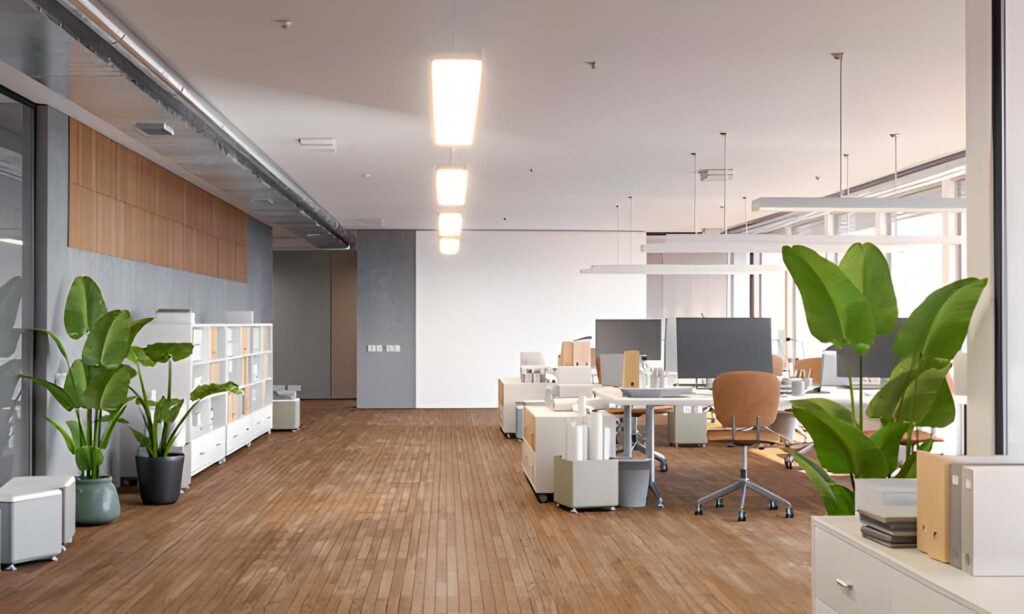
- How it Works: An open office plan with comfortable lounge areas encourages collaboration. A library with sound-absorbing materials and individual carrels promotes quiet focus. A classroom with flexible, mobile furniture supports different teaching styles. The design of a space directly informs how people are meant to use it.
4. To Express Identity and Communicate Values
Our spaces are a non-verbal language, telling a story about who we are, what we value, and what we aspire to. This is true for individuals, families, and corporations.
- How it Works: A tech startup might use raw materials and an open plan to communicate innovation and transparency. A law firm might use rich woods and traditional furniture to convey stability and expertise. A family home filled with art collected from travels tells a story of adventure and curiosity.
5. To Improve Safety and Accessibility
Professional interior design is critical for creating environments that are safe and inclusive for people of all ages and abilities.
- How it Works: This includes specifying non-slip flooring, ensuring adequate lighting to prevent falls, selecting non-toxic and fire-retardant materials, and designing spaces that are compliant with the Americans with Disabilities Act (ADA), such as ensuring clear widths for wheelchairs and appropriate counter heights.
6. To Increase the Economic Value of a Property
This is one of the most tangible and quantifiable reasons for interior design. A well-designed space is a more valuable asset.
- How it Works: For residential properties, updated kitchens and bathrooms offer the highest return on investment. For commercial properties, a modern, functional, and attractive interior can command higher rent, attract better tenants, and sell faster. Good design is an investment, not an expense.
7. To Conserve Resources and Promote Sustainability
Sustainable or “green” design is a core responsibility of the modern interior designer, focusing on the long-term health of the planet and the occupants.
- How it Works: Designers specify materials with low VOC (Volatile Organic Compound) emissions to ensure healthy indoor air quality. They source products made from recycled or rapidly renewable materials, prioritize energy-efficient lighting and appliances, and design for longevity to combat a disposable culture.
8. To Create a Memorable Experience
In commercial settings, interior design is a powerful marketing and branding tool. The experience of being in a space can be as important as the product or service being sold.
- How it Works: A boutique hotel uses a unique scent, curated music, and localized art to create an unforgettable sense of place. A high-end restaurant uses lighting, acoustics, and table spacing to craft an intimate and luxurious dining experience. The design itself becomes a reason for customers to return.
9. To Maximize the Utility of a Limited Space
As urban living demands more efficiency from smaller footprints, the role of the interior designer as a spatial strategist becomes essential.
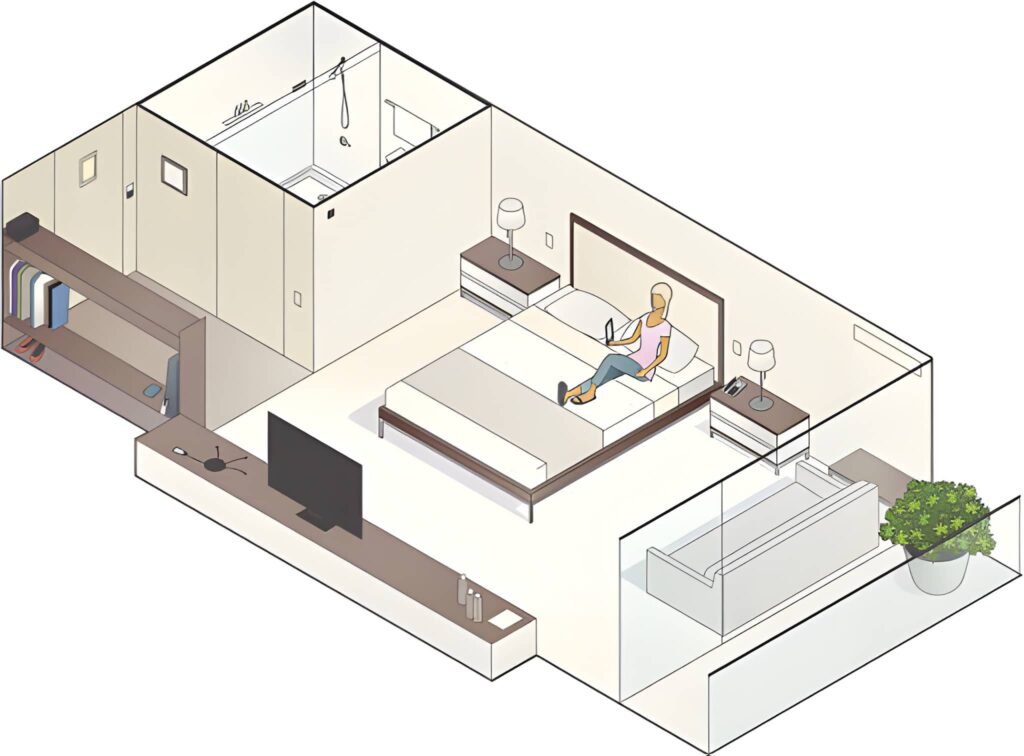
- How it Works: Through clever space planning, multi-functional furniture, built-in storage, and visual tricks (like mirrors and a unified color palette), a designer can make a small apartment live like a much larger home, ensuring every square inch is purposeful and comfortable.
10. To Cultivate Community and Social Interaction
Interior design can be used to break down isolation and foster connection by creating “social condensers”—spaces that naturally bring people together.
- How it Works: A residential building with a well-designed lobby, co-working space, and rooftop garden encourages interaction among residents. An office with a comfortable, well-located coffee bar becomes a hub for spontaneous conversation. The design of the space facilitates the formation of community.
Ultimately, interior design is the practice of creating harmony between people and the places they inhabit. It is a necessary service that uses evidence-based principles to build environments that heal, inspire, protect, and empower. It is the unseen architecture of our daily lives, quietly but profoundly shaping how we live, work, and feel.