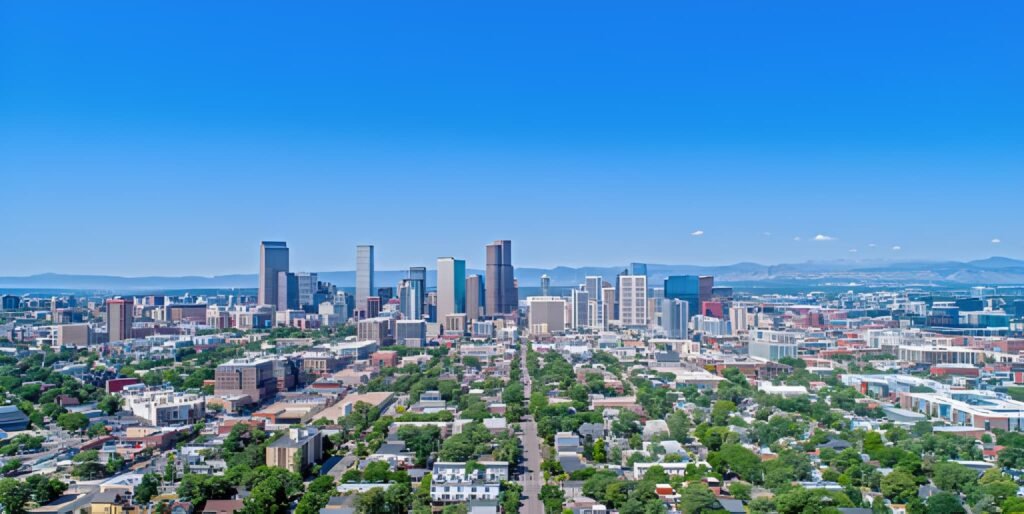
Denver is a city of convergence. Here, the rugged individualism of the American West collides with the sleek ambition of a modern tech hub. The skyline, a cluster of glass towers against the majestic backdrop of the Rocky Mountains, is a perfect metaphor for a place that offers both world-class culture and immediate access to untamed wilderness. Living in the Mile High City means adapting to the altitude, embracing an active outdoor lifestyle, and navigating a booming economy that has fundamentally transformed the city over the past decade. This guide moves beyond the postcard images to explore the tangible reality of building a life in this high-desert oasis of ambition and adventure.
The Mile High Economy: Boomtown Growing Pains
Denver’s economy has been one of the strongest and fastest-growing in the nation for years. The city has successfully shed its legacy as a cowtown and energy center to become a diverse hub for technology, aerospace, and healthcare. This influx of high-paying jobs has triggered a population surge, bringing immense opportunity alongside significant growing pains in traffic, housing costs, and infrastructure.
The Price of Elevation: Cost of Living in the Mile High City
Denver is no longer a secret, and its cost of living reflects its popularity. While more affordable than coastal cities like San Francisco or New York, it has become one of the most expensive cities in the interior U.S. Colorado has a flat 4.4% state income tax, which is relatively low, but this is offset by high sales taxes and some of the nation’s highest housing cost increases over the past decade.
A detailed monthly budget for a professional living in a one-bedroom apartment in a central neighborhood like LoHi or Capitol Hill reveals the financial commitment:
- Rent: $1,800 – $2,200
- Utilities (Electricity/Gas): $120 – $180
- Internet: $80
- Groceries: $400
- Gasoline & Car Maintenance: $250 (a car is highly recommended)
- Dining & Entertainment: $600 (the social craft brewery scene is a major draw)
This puts a baseline monthly expenditure between $3,250 and $3,710, not including savings, healthcare, or state taxes. This high baseline means a solid salary is necessary to enjoy the Denver lifestyle without financial strain.
The Diversified Boom: Job Market and Career Opportunities
Denver’s economy is a healthy mix of established industries and new-economy innovation, making it resilient to sector-specific downturns.
- Technology & Telecom: The Denver-Boulder corridor is a major tech hub, often called the “Silicon Mountain.” It’s a national leader in telecommunications, with giants like Comcast and Charter Communications having major operations. A thriving startup scene exists in everything from SaaS to fintech.
- Aerospace & Aviation: The metro area is one of the largest aerospace economies in the country. Major employers include Lockheed Martin, Ball Aerospace, and United Launch Alliance, drawing a high concentration of engineers and technical talent.
- Energy & Natural Resources: While the oil and gas industry has seen volatility, it remains a significant player. The city is also a leader in renewable energy research and development.
- Healthcare & Wellness: The Anschutz Medical Campus in Aurora is the largest academic medical center in the western U.S., housing UCHealth and Children’s Hospital Colorado. This anchors a massive healthcare and bioscience industry. The city’s wellness culture also fuels a large fitness and outdoor recreation industry.
- Hospitality & Tourism: Denver is a gateway to the Rockies, and tourism is a constant economic driver, supporting hotels, restaurants, and ski industry-related businesses.
This economic diversity creates a robust job market, though competition is fierce for the most coveted roles.
A City of Neighborhoods: Finding Your Basecamp
Denver’s neighborhoods are distinct, each offering a different vibe and proximity to the urban core or the mountains.
- LoHi (Lower Highland): The epicenter of Denver cool. This former working-class neighborhood across the South Platte River from downtown is now a dense collection of chic restaurants, cocktail bars, and modern apartment buildings with stunning city and mountain views. It’s walkable, trendy, and expensive.
- RiNo (River North Art District): The city’s gritty, creative engine. Formerly an industrial zone of warehouses and auto body shops, it’s now covered in massive murals and filled with some of Denver’s best breweries (Great Divide, Ratio), distilleries, and innovative restaurants. It feels raw, energetic, and constantly evolving.
- Capitol Hill: A historic, densely populated neighborhood just southeast of downtown. Known for its beautiful old mansions, apartment buildings, and a diverse, sometimes chaotic, energy. It’s a hub for the LGBTQ+ community, has a vibrant nightlife scene on Colfax Ave, and offers relatively more affordable rent close to the core.
- Washington Park (“Wash Park”): The quintessential family-friendly Denver neighborhood. Centered around a massive park with two lakes, gardens, and extensive recreation paths, it’s filled with beautiful, expensive brick homes. It’s active, affluent, and highly sought-after for its schools and community feel.
- Highland: A broader area that includes LoHi, this neighborhood offers a mix of old Denver charm with modern amenities. It has a more established, residential feel than LoHi, with single-family homes alongside smaller apartment buildings and a quaint commercial strip on Tennyson Street.
- Cherry Creek: An upscale, master-planned district known for its high-end shopping mall, boutique streets, and luxurious condos and homes. It feels polished, clean, and suburban, yet is only ten minutes from downtown.
- Baker/South Broadway: A hip, eclectic corridor south of downtown. South Broadway is lined with vintage clothing stores, music venues, dive bars, and some of the city’s best new restaurants. It attracts a creative, younger crowd.
The Mountain Calculation: Renting vs. Buying
The Denver housing market has been one of the nation’s hottest, with prices skyrocketing over the past decade. The decision to rent or buy is a major financial hurdle.
The Case for Renting: Renting offers flexibility to explore different neighborhoods and avoid being tied down in a volatile market. It also frees residents from the burden of maintenance and allows for easier relocation for mountain adventures or job changes. Given the high down payment required, renting is the only viable option for many.
The Case for Buying: For those with the capital and commitment to stay 5+ years, buying has been a tremendous wealth-building tool. Denver’s constrained geography (growth boundary laws) and relentless population growth create a strong long-term demand for housing. Building equity is a powerful hedge against rising rents.
A Simplified Financial Comparison:
Consider a $550,000 condo in the LoHi neighborhood.
- Renting: Monthly rent for a similar property: ~$2,200. This is a pure expense.
- Buying:
- Down Payment (20%): $110,000
- Mortgage Principal & Interest (30-year fixed at 7%): ~$2,925/month
- Property Taxes (Denver County, effective rate ~0.55%): \frac{0.55}{100} \times 550,000 = \$3,025 per year, or ~$252/month
- Homeowners Insurance & HOA Fee: ~$450/month
- Total Monthly Cost: ~$3,627
This calculation shows a significant monthly premium for buying. The principal portion of the mortgage payment (~$640 in the first month) builds equity. The break-even point is typically around 5-7 years, after which owning becomes financially advantageous.
The Housing Market: Bungalows, Modern Farmhouses, and Mountain Modern
Denver’s housing stock is a mix of classic Denver Squares and bungalows, post-war ranches, and a flood of new, “mountain modern” construction.
Average Home Prices: The median home price in the city of Denver is high, typically hovering between $550,000 and $600,000.
Most Affordable Areas to Buy a Home: Affordability is found in the far northeast and southwest neighborhoods of the city, such as Montbello or Harvey Park, or in older suburbs like Arvada and Lakewood. These areas offer access to the metro with longer commutes.
Luxury Real Estate Hotspots: The luxury market is concentrated in:
- Cherry Creek: Luxury high-rise condos and sprawling estates.
- Country Club: An historic neighborhood with majestic homes and curving, tree-lined streets.
- Washington Park: Large, beautifully renovated homes on oversized lots.
- Greenwood Village & Cherry Hills Village: These incorporated suburbs south of the city are the epitome of luxury, with multi-acre estates and extreme wealth.
Rental Market: The market is competitive, with a large supply of new apartment buildings in areas like RiNo and the Central Platte Valley. Expect to pay:
- Studio: $1,500 – $1,800
- 1-Bed: $1,700 – $2,200+
- 2-Bed: $2,200 – $3,000+
Investing in the Boom: Real Estate Investment and Growth
Denver’s continued growth and geographic constraints make it a strong market for long-term investment.
- Best Places to Invest: Areas near transit expansions, like the ongoing development of the L Line and N Line light rail, are prime targets. Neighborhoods like Elyria-Swansea and Globeville, though historically underserved, are poised for change due to their proximity to downtown and I-70 redevelopment.
- Future Growth Neighborhoods: The Sun Valley neighborhood near the Broncos’ stadium is undergoing a massive HUD-funded transformation. The River Mile project, aiming to redevelop the Elitch Gardens site, is another future growth hotspot.
The Commute: Highways, Traffic, and a Growing Transit System
Denver’s infrastructure has struggled to keep pace with its population boom, making transportation a primary pain point.
- The Car: This is the primary mode of transport for most. The highway system (I-25 north-south, I-70 to the mountains) is infamous for its congestion, especially during rush hour and on weekends headed to the ski slopes.
- Light Rail & Bus: The RTD system operates a extensive bus network and a growing light rail system that connects downtown to the airport (A Line), the southern suburbs, and parts of the west. It is viable for specific commutes but does not comprehensively serve the entire metro area.
- Biking: Denver is a relatively bike-friendly city with a growing network of bike lanes and the Cherry Creek Trail, a dedicated path that runs from downtown to the southeast suburbs. The flat terrain in the city core makes biking feasible.
Life at a Mile High: Culture, Beer, and the Great Outdoors
Denver’s culture is casual, active, and deeply influenced by its proximity to the mountains.
- The Outdoor Lifestyle: This is the city’s raison d’être. Hiking, biking, rock climbing, and skiing are not just hobbies; they are central to the identity. Within an hour’s drive, you can be hiking in Rocky Mountain National Park or skiing in world-class resorts.
- The Beer Scene: Denver is the undisputed craft beer capital of the U.S., with more breweries than any other city. The Great American Beer Festival is held here annually. Breweries function as the city’s social hubs.
- The Music Scene: Denver is a major stop on the national concert circuit, with famed venues like Red Rocks Amphitheatre—an open-air venue carved into red rocks that is a religious experience for music lovers.
- The Food Scene: The food scene has matured dramatically, moving beyond steak and potatoes. It’s now a destination for innovative cuisine, with a particular strength in green chile and farm-to-table dining.
The Family Equation: Schools, Safety, and Suburbs
The question of schools drives many families to the suburbs, where school districts are consistently highly rated.
- Best Schools & Universities: Denver Public Schools (DPS) is a mixed bag, with some excellent charter and magnet schools but overall performance that lags behind many suburban districts. The Cherry Creek and Jefferson County school districts are consistently top-rated. For higher education, the University of Denver is a prestigious private university, and the University of Colorado Denver is a major public urban research university.
- Best Suburbs: For families, the premier destinations are Golden (home of Coors Brewery, with a quaint downtown and mountain access), Arvada, Littleton, and Superior. They offer excellent schools, more space, and community feel.
- Raising a Family & Safety: Property crime, particularly car break-ins and bicycle theft, is a significant issue. Homelessness is visible, particularly in the Capitol Hill and downtown areas. The suburbs generally report lower crime rates.
The Practicalities: Altitude, Aridity, and Relocation
- Weather and Climate: Denver has a semi-arid, high-desert climate with over 300 days of sunshine a year. It is characterized by low humidity and dramatic temperature swings between day and night. Winters are generally mild with occasional heavy snowstorms that usually melt quickly. The sun is intense due to the high altitude.
- Healthcare: The region is a major healthcare hub, anchored by the UCHealth Anschutz Medical Campus, one of the nation’s best. Porter Adventist Hospital and Presbyterian/St. Luke’s Medical Center are also highly regarded.
- Relocation Checklist:
- Hydrate: The altitude and dry air demand constant water intake, especially when you first arrive.
- Acclimate: Take it easy for the first week; the altitude affects everyone.
- Prepare Your Car: Ensure it’s reliable for mountain driving and equip it with all-season tires at a minimum.
- Invest in Sun Protection: Sunglasses and sunscreen are year-round necessities.
- Embrace Layers: The temperature can swing 40 degrees in a single day.
Denver is a city that demands engagement. It asks you to adapt to its altitude, navigate its traffic, and pay a premium for its lifestyle. But in return, it offers a dynamic urban experience set against a backdrop of unparalleled natural beauty. It is a city for those who are ambitious in their careers and their play, who value a great beer after a long hike, and who don’t mind a little hustle to secure their place in the sun. Living in Denver is an active choice for a life less ordinary.