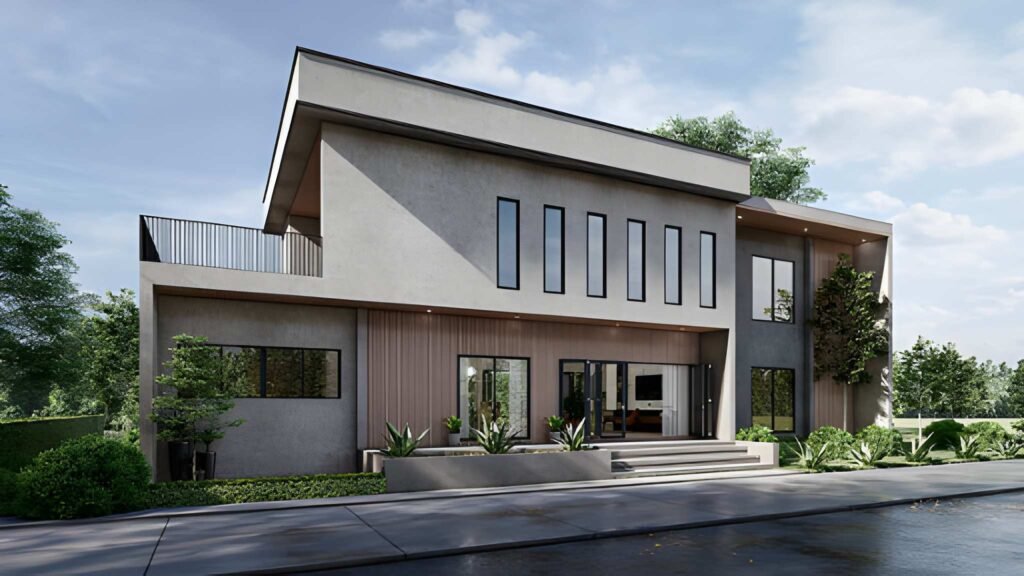

The American home has long been a stage for improvement, but the script has changed. For decades, the narrative was one of expansion and replacement: a bigger deck, a remodeled kitchen with the newest finishes, a bathroom transformed into a spa-like retreat. These projects were driven by a desire for increased comfort, modern aesthetics, and often, heightened resale value. A new, more profound narrative is now taking hold, one that redefines the very purpose of home improvement. Eco living home improvement is not a series of discrete projects; it is a holistic philosophy of stewardship. It is a continuous, mindful process of retrofitting, repairing, and reimagining our existing homes to align with principles of resource conservation, financial prudence, and personal well-being. This approach shifts the focus from what a home looks like to how it performs, feels, and impacts the world beyond its walls.
This philosophy rejects the notion of demolition and disposal. Instead, it embraces the existing structure as a valuable asset, full of embodied energy and potential. The goal is not to create a perfect, net-zero showcase overnight, but to make a series of intentional, strategic upgrades that compound over time, reducing the home’s environmental footprint while increasing its comfort, health, and resilience. This is the path of the steward, not the consumer.
The Foundational Audit: Knowing Your Home’s Metabolism
Before purchasing a single solar panel or a tube of caulk, the first and most critical improvement is understanding your home as a dynamic system. An un-audited upgrade is a shot in the dark; it wastes resources and often fails to deliver the expected results.
The Energy and Resource Diagnosis
A professional energy audit, often subsidized by local utilities, is the equivalent of a full medical scan for your house. Auditors use tools like blower doors to measure airtightness and thermal imaging cameras to visualize heat loss, revealing the invisible leaks and deficiencies that drive up utility bills. They provide a prioritized list of improvements, ensuring your money is spent on the fixes that will yield the greatest return in comfort and savings. This data-driven approach moves you beyond guesswork and generic advice.
The DIY Sensory Survey
Complement a professional audit with your own investigation. On a windy day, feel for drafts around windows, doors, and electrical outlets. Check your attic insulation; if the floor joists are visible, you likely need more. Listen to your HVAC system—is it cycling on and off frequently, or struggling to maintain temperature? This hands-on awareness connects you to the living, breathing nature of your home’s envelope and systems.
The Tiered Approach: A Strategic Sequence for Maximum Impact
Eco-living improvement follows a logical hierarchy. The most cost-effective and impactful actions are those that reduce demand, followed by those that improve efficiency, and finally, those that generate supply.
Tier One: The Building Envelope – Sealing the Shell
The absolute priority is to fortify the boundary between the conditioned interior and the outside environment. A leaky, poorly insulated home will waste energy no matter how efficient its furnace.
- Air Sealing: This is the single most cost-effective action. Using caulk and weatherstripping to seal leaks around windows, doors, and penetrations for pipes and wires can reduce heating and cooling costs by 10-20%. The goal is to create a continuous air barrier.
- Insulation: After sealing the air leaks, adding insulation to the attic is typically the next best investment. A properly insulated attic acts as a thermal blanket, keeping heat in during the winter and out during the summer. Walls and floors over unconditioned spaces like crawl spaces are the next priorities.
Tier Two: Systems Efficiency – Right-Sizing Demand
Once the shell is tight, the load on your mechanical systems plummets. This is the time to address their efficiency.
- HVAC: If your furnace or air conditioner is old and inefficient, replacing it with a properly sized, high-efficiency model (like a heat pump) will now deliver its full potential. A system that is too large for a tight home will short-cycle, reducing efficiency and comfort.
- Water Heating: Water heating is a major energy expense. Insulating hot water pipes and the tank itself is a low-cost fix. When replacement is due, consider a heat pump water heater, which is 2-3 times more efficient than a standard model.
- Lighting and Appliances: The ongoing, gradual replacement of incandescent and CFL bulbs with LEDs, and aging appliances with ENERGY STAR models, creates a steady reduction in your home’s base load.
Tier Three: Generation and Resilience – Creating Supply
With demand minimized, the dream of generating your own power becomes financially and technically feasible.
- Solar Photovoltaics: A solar array on a well-insulated, efficient home can cover a much larger portion of its energy needs, potentially reaching net-zero status. The system required is smaller and less expensive than one needed for a leaky home.
- Rainwater Harvesting: Installing a rain barrel for garden use is a simple start. More advanced systems can integrate with irrigation or, with proper filtration, for indoor non-potable uses like toilet flushing.
- Battery Storage: Adding a battery system allows you to store solar energy for use at night or during a power outage, moving from grid-dependence to grid-resilience.
The Mindset of Stewardship: Beyond the Technical Fix
True eco-living improvement extends beyond hardware and into daily practice and material choices. It is a shift in perspective that influences every action.
The Cultivation of Natural Capital
View your property not just as a yard, but as a mini-ecosystem.
- Native Landscaping: Replace water-thirsty lawns with native plants that are adapted to the local climate, requiring no irrigation, fertilizers, or pesticides. They provide critical habitat for pollinators and birds.
- Rain Gardens and Permeable Surfaces: Direct downspouts into rain gardens—shallow depressions planted with water-tolerant natives—that allow stormwater to infiltrate the ground, recharging aquifers and filtering pollutants, rather than overwhelming municipal sewers.
The Principle of Circularity
Challenge the “take-make-waste” model within your home.
- Repair and Refinish: Before replacing a piece of furniture, a cabinet, or a fixture, ask if it can be repaired, refinished, or repurposed. The carbon footprint of a repair is negligible compared to manufacturing and shipping a new item.
- Salvage and Reclaim: Source materials from architectural salvage yards. A reclaimed wood floor or a vintage door has a story and zero new embodied carbon.
- Choose Materials for their Lifecycle: When you must buy new, select materials based on their durability, renewability, and health impacts. FSC-certified wood, linoleum, cork, and recycled content materials create a healthier indoor environment and a lighter planetary footprint.
| Project Category | High-Impact, Low-Cost Actions | Mid-Range Investments | Long-Term Legacy Upgrades |
|---|---|---|---|
| Energy Conservation | DIY air sealing, adding attic insulation, installing a programmable thermostat. | Replacing old windows (prioritizing the leakiest ones first), upgrading to a heat pump HVAC system. | Installing a solar PV array, adding battery storage, implementing a full smart home energy management system. |
| Water Stewardship | Installing low-flow aerators and showerheads, repairing leaks, planting drought-tolerant natives. | Installing a rain garden, upgrading to a heat pump water heater, replacing old toilets with WaterSense models. | Installing a whole-house rainwater harvesting and filtration system, integrating greywater recycling. |
| Indoor Health & Materials | Switching to zero-VOC paints, deep cleaning to reduce dust and allergens, using natural cleaning products. | Refinishing existing cabinets instead of replacing them, installing a cork or linoleum floor, adding an ERV for fresh air. | Using reclaimed wood for major features, installing clay plaster walls, building with FSC-certified lumber for an addition. |
Eco living home improvement is a journey without a final destination. It is a continuous, thoughtful engagement with the place you call home. It values the patina of age and the wisdom of repair over the gleam of the new. It measures progress not in square feet added, but in utility bills lowered, carbon emissions avoided, waste streams reduced, and the quiet, profound comfort of a healthy, resilient shelter. This path transforms the homeowner from a passive consumer into an active steward, cultivating a home that is not just a private asset, but a positive node in a larger, sustainable ecosystem.