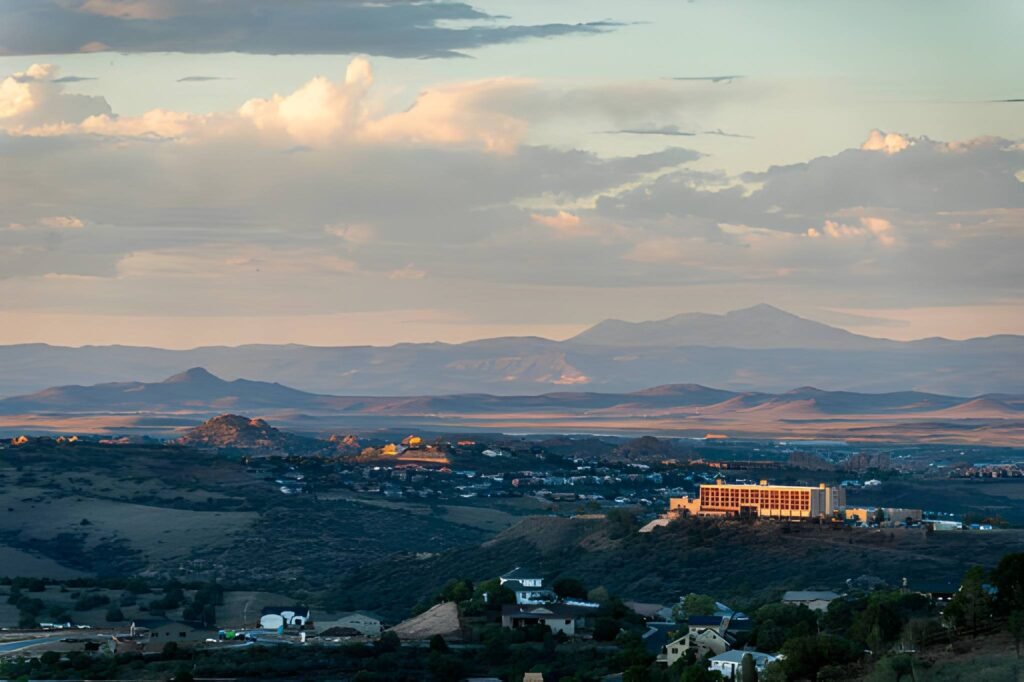
Prescott Valley exists at a distinct ecological crossroads. Situated at over 5,000 feet in elevation, it is a community shaped by the stark realities of the high desert: intense, high-altitude sun, significant temperature swings between day and night, persistent drought, and winds that sweep down from the surrounding Bradshaw Mountains. The architecture and building practices of the past, often imported from wetter or more temperate climates, are fundamentally ill-suited to this environment. The modern eco-home in Prescott Valley is not a mere aesthetic choice; it is a direct, intelligent, and necessary response to these local conditions. It is a home designed to work with the high-desert climate, not against it, creating a sanctuary of comfort and resilience while respecting the region’s precious water and energy resources.
This approach moves beyond slapping a few solar panels on a conventional tract home. It is a holistic philosophy that begins with the home’s orientation and envelope, leveraging passive survival strategies perfected by indigenous cultures and native ecosystems for millennia. The goal is to create a dwelling that is thermally stable, water-wise, and energy-independent, turning the climatic challenges of the central highlands into its greatest assets.
The Foundational Strategy: Mastering the High-Desert Envelope
The single most important feature of a Prescott Valley eco-home is its building envelope. This is the barrier that must manage the intense solar gain, the dry summer heat, and the surprisingly cold winter nights.
Passive Solar Principles: The Sun as a Furnace
The abundant, high-altitude sun is the most powerful free resource available. A properly oriented and designed home can derive the majority of its winter heat from the sun alone.
- Orientation and Glazing: The long axis of the home should run east-west, with the principal living areas and the majority of glazing facing within 20 degrees of true south. This maximizes exposure to the low-angle winter sun.
- Thermal Mass: The Home’s Battery: Sunlight entering through south-facing windows must be captured. This is achieved with thermal mass—dense materials like stained concrete floors, interior brick or Trombe walls, and tile that absorb heat during the day. As the temperature drops at night, this mass slowly releases the stored heat, stabilizing the indoor temperature and eliminating the need for mechanical heating for much of the winter.
- Strategic Shading: The same south-facing windows that welcome winter sun must be protected from the high, intense summer sun. Properly calculated fixed eaves are the most elegant solution, designed to block the summer sun entirely while allowing the full penetration of the winter sun. For east and west-facing windows, which are harder to shade with eaves, deep porches, pergolas with deciduous vines, or adjustable shading devices are essential.
Super-Insulation and Superior Air Sealing
The large diurnal (day-night) temperature swing means a home can gain heat all day and lose it all night. A high-performance envelope slows this process to a crawl.
- Insulation Beyond Code: While the local building code sets a minimum, Prescott Valley eco-homes significantly exceed these standards. A continuous layer of insulation is key, with high R-values in roofs (often R-50 to R-60) and walls (R-21 or higher). Advanced techniques like double-stud walls or exterior rigid insulation (outsulation) are used to eliminate thermal bridging through the wood framing.
- The Critical Air Barrier: The dry, windy climate makes a home exceptionally “leaky.” A comprehensive air sealing strategy—using caulk, foam, and tapes at all seams and penetrations—is non-negotiable. A blower door test verifies the home’s tightness, ensuring that the expensive insulation can perform as designed and that dust and wind are kept out.
The Water Ethic: Conservation as a Way of Life
In the high desert, water is the most limited resource. An eco-home’s water strategy is as important as its energy strategy.
Rainwater Harvesting: Catching the Monsoon
The summer monsoon season brings precious, intense rainfall. A comprehensive rainwater harvesting system captures this water from the roof, filters it, and stores it in above- or below-ground cisterns. This water can then be used for irrigating the native landscape, and with proper treatment, for all non-potable indoor uses like toilet flushing and laundry, potentially reducing municipal water use by 50% or more.
Greywater Recycling: One Use is Not Enough
Installing a dedicated greywater system that diverts water from showers, bathtubs, and bathroom sinks to subsurface drip irrigation is a logical next step. This transforms “waste” water into a resource, ensuring that ornamental or fruit trees receive a consistent, free supply of water without tapping into the municipal supply or even the rainwater cistern.
Xeriscaping with Native Plants
The most visible sign of a Prescott Valley eco-home is its landscape. It rejects the thirsty, chemical-dependent lawn in favor of xeriscaping—a beautiful landscape of native and arid-adapted plants. Species like Agave, Penstemon, Rabbitbrush, and native grasses are not only drought-tolerant but also provide habitat for local pollinators and require no fertilizer or pesticides. This practice can eliminate outdoor water use entirely.
The Mechanical Systems: Right-Sizing for Efficiency and Comfort
With a passive, high-performance shell drastically reducing heating and cooling loads, the mechanical systems can be smaller, more efficient, and cleaner.
All-Electric, Solar-Optimized Systems
The path to energy independence in sunny Prescott Valley is through full electrification paired with solar generation.
- Heat Pumps for All Seasons: Modern, cold-climate air-source heat pumps are the ideal solution for Prescott Valley’s climate. They provide highly efficient cooling during the hot summer days and can easily handle the heating load on all but the very coldest winter nights, all in one system. For water heating, a heat pump water heater offers similar dramatic efficiency gains.
- Solar Photovoltaics (PV): A south or west-facing roof is an ideal platform for a solar array. Given the high number of sunny days, the energy production is exceptional. The combination of a super-efficient envelope and all-electric appliances means a reasonably sized solar system can often meet 100% of the home’s annual energy needs, achieving net-zero energy status.
Ventilation and Indoor Air Quality
A tightly sealed home requires controlled ventilation. An Energy Recovery Ventilator (ERV) is essential. It continuously exhausts stale indoor air while bringing in fresh, filtered outdoor air, transferring humidity and temperature between the two streams. In the dry climate, this helps retain some beneficial indoor humidity in winter and exclude excessive outdoor humidity during the monsoon, all while saving energy.
Local Considerations for Prescott Valley
Building an eco-home here requires navigating specific local factors:
- Soil Types: Expansive clay soils are common and require specific foundation engineering to prevent cracking as the soil moisture changes.
- Wildfire Resilience: Using non-combustible siding materials like fiber cement, metal, or stucco, creating defensible space with hardscaping, and boxing in eaves are critical safety features that align with eco-conscious, durable construction.
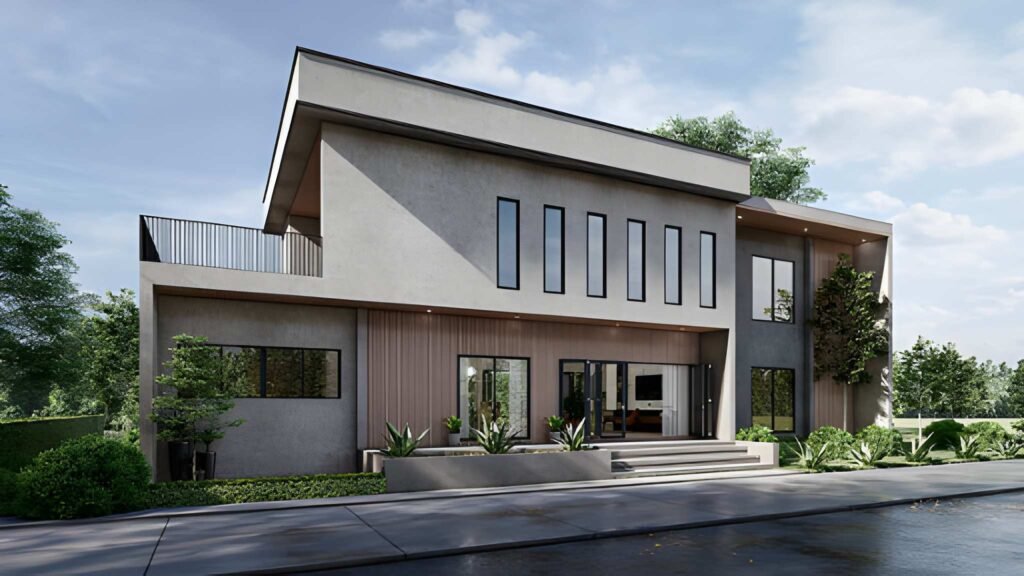
- Architectural Integration: The eco-home aesthetic in Prescott Valley often blends modern elements with vernacular styles, using deep overhangs, shaded portals, and earthy colors that reflect the surrounding landscape.
An eco-home in Prescott Valley is the ultimate expression of living in harmony with a powerful and beautiful environment. It is a dwelling that provides exceptional comfort and security from the elements while drawing its resources directly from the sun and the sky. It is a responsible, resilient, and financially prudent approach to building in the 21st-century West, creating a legacy of stewardship for the unique and fragile high-desert ecosystem.