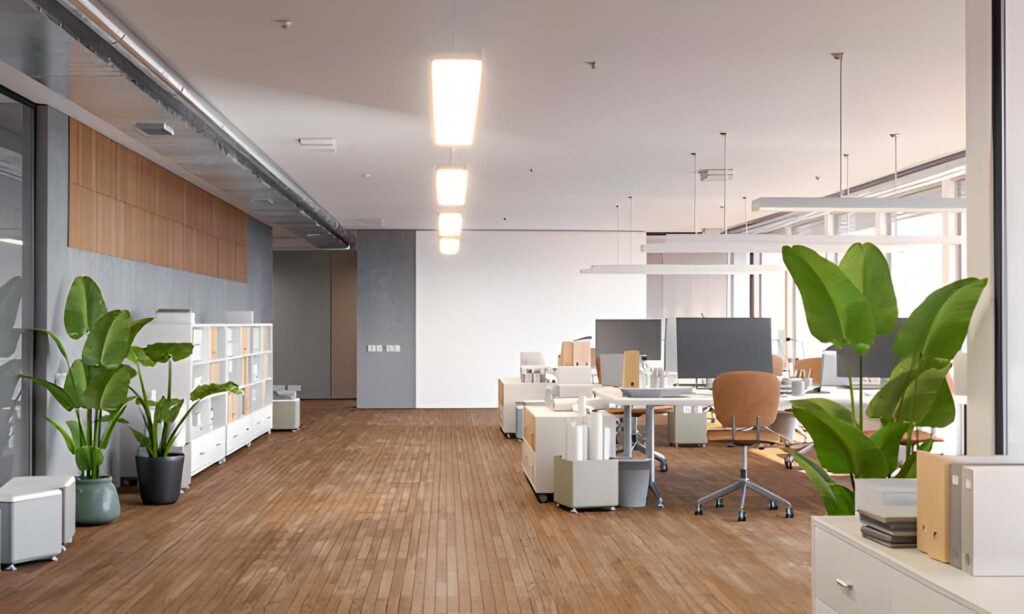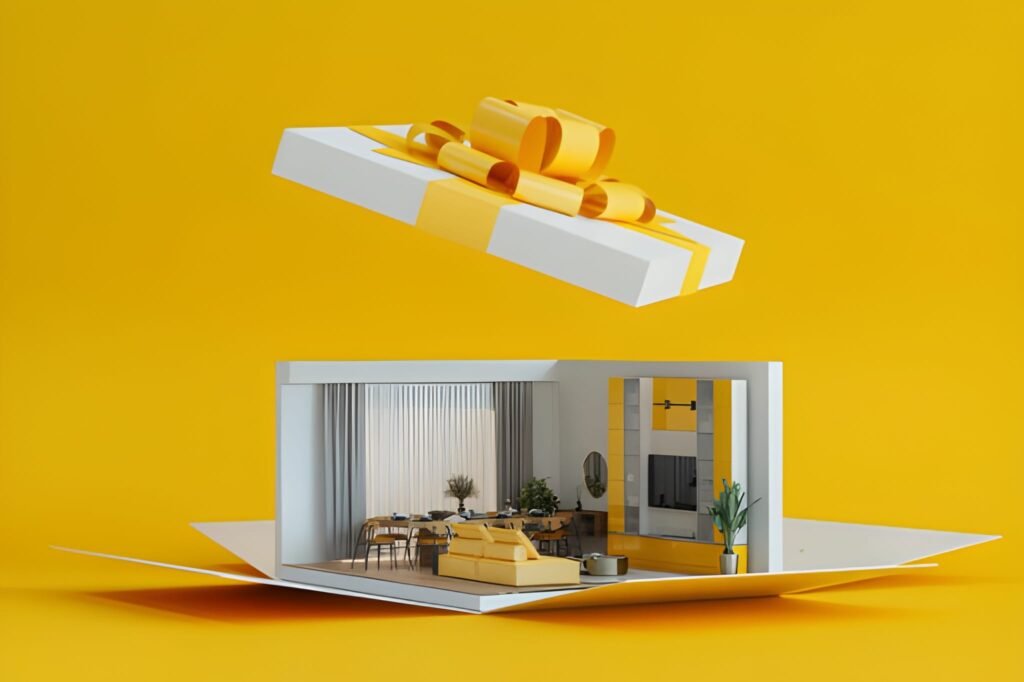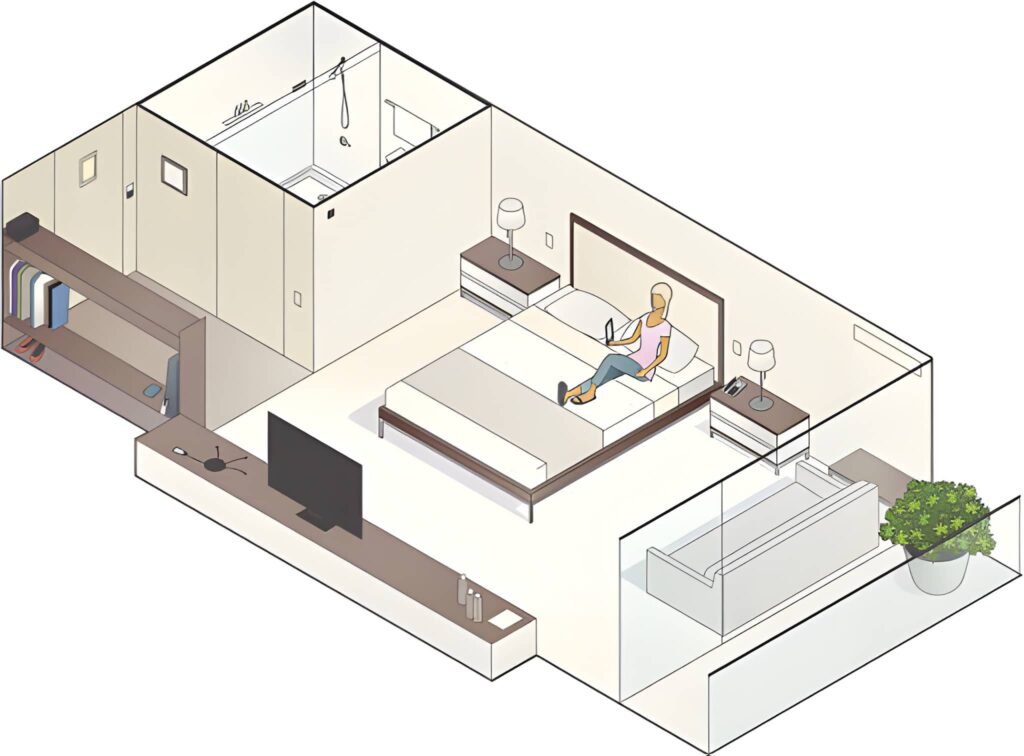
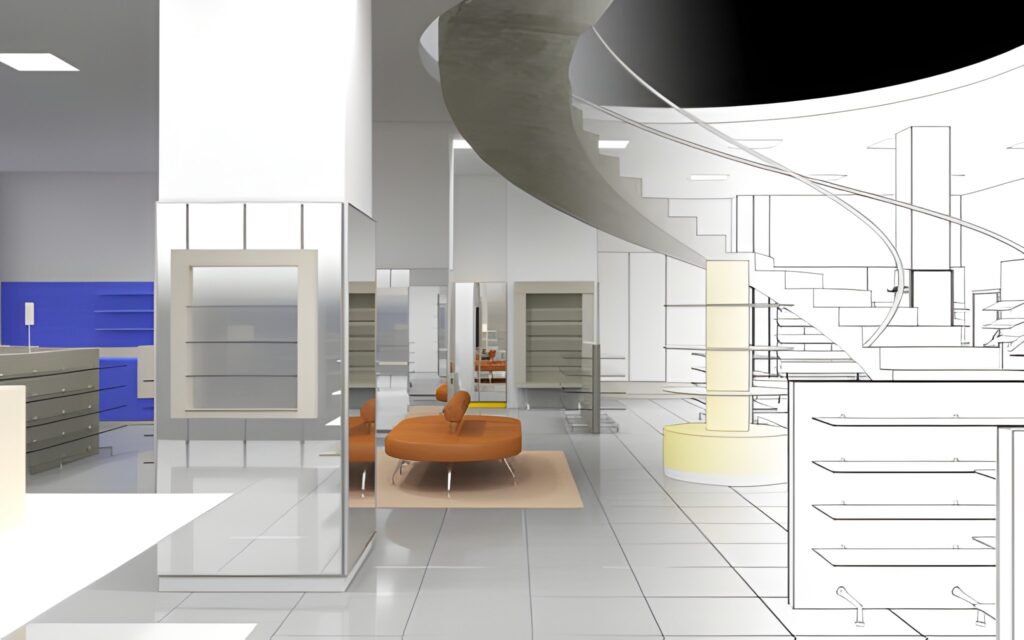
The common perception often reduces an interior designer’s role to a final layer of paint and furnishings. In reality, their work is a deep and strategic intervention that shapes the human experience within the built environment. They are not decorators of empty shells but are instrumental in defining the functional, psychological, and aesthetic character of the space itself. Their work begins where the architect’s structural blueprint ends, focusing on the elements that people touch, see, and feel every day.
Interior designers are the choreographers of interior space, and their design purview encompasses several core elements that determine whether a building is merely occupied or truly inhabited.
1. Spatial Planning and Human Circulation
This is the most fundamental element. Before any aesthetic choice is made, the designer manipulates the interior architecture to dictate movement and use.
- What they design: The functional layout—the placement of walls (non-load-bearing), partitions, and built-in elements to create rooms, zones, and pathways.
- The Goal: To create an intuitive and efficient flow that supports the building’s purpose. In an office, this means facilitating collaboration and focus; in a home, it means creating a logical relationship between private and social spaces; in a hospital, it means enabling sterile and efficient patient and staff movement.
- The Tools: Space plans, circulation diagrams, and detailed floor plans that go beyond furniture placement to define the very organization of the interior volume.
2. The Human-Scale Envelope: Surfaces and Finishes
While the architect designs the building’s exterior shell, the interior designer specifies every material that occupants interact with directly.
- What they design: The “skin” of the interior: flooring, wall coverings, ceiling treatments, and millwork (built-in cabinetry, shelving).
- The Goal: To control acoustics, create ambiance, ensure durability, and guide the visual journey. The choice of polished concrete vs. acoustic carpet, of painted drywall vs. wood paneling, fundamentally alters the sound, feel, and personality of a space.
- The Tools: Material palettes, finish schedules, and sample boards that coordinate performance characteristics with aesthetic intent.
3. The Layer of Light
Light is one of the most powerful tools in the designer’s kit, used to define mood, highlight architecture, and support function.
- What they design: The comprehensive lighting plan. This includes ambient lighting (general illumination), task lighting (focused light for work), and accent lighting (to highlight art or architecture).
- The Goal: To move beyond uniform brightness and create a layered, dynamic environment that changes with the time of day and the needs of the occupant. They specify the fixtures themselves as sculptural elements.
- The Tools: Reflected ceiling plans, lighting calculations, and fixture schedules that detail everything from recessed downlights to decorative sconces.
4. Environmental Comfort and Well-being
Modern interior design is deeply integrated with human health and sustainability.
- What they design: The specifications for elements that ensure occupant comfort and reduce environmental impact.
- The Goal: To optimize indoor air quality, thermal comfort, and access to natural light. This includes selecting low-VOC paints and adhesives, specifying ergonomic furniture, integrating biophilic design (connecting occupants to nature), and ensuring compliance with standards like WELL or LEED.
- The Tools: Knowledge of sustainable material certifications, ergonomic guidelines, and building performance standards.
5. The Functional and Aesthetic Objects: Furniture, Fixtures, and Equipment (FF&E)
This is the most visible part of their work, but it is the result of all the previous strategic decisions.
- What they design: The selection and specification of all non-fixed items. This includes everything from sofas and desks (Furniture) to plumbing faucets and light fixtures (Fixtures) to kitchen appliances and office technology (Equipment).
- The Goal: To furnish the space in a way that supports its function, reflects the desired aesthetic, and meets budget and durability requirements. This involves designing custom pieces or curating from manufacturers.
- The Tools: FF&E schedules, procurement lists, and custom furniture drawings.
6. The Narrative of Details
The smallest elements often have the greatest cumulative impact on the perceived quality and character of a space.
- What they design: The details that form a cohesive narrative: hardware on doors and cabinets, the style of switch plates, the transitions between different flooring materials, the design of custom trim and moldings.
- The Goal: To create a sense of refinement and intentionality, ensuring that every touchpoint feels considered and contributes to the overall design story.
- The Tools: Detail drawings, schedules for hardware and finishes.
| Design Element | Scope of Designer’s Influence | Outcome for the Occupant |
|---|---|---|
| Spatial Planning | Layout of walls, zones, and circulation paths. | Intuitive navigation, functional efficiency, and a sense of logical space. |
| Surfaces & Finishes | Selection of flooring, wall coverings, ceilings, and millwork. | Acoustic comfort, tactile experience, visual harmony, and durability. |
| Lighting | Design of ambient, task, and accent lighting schemes. | Visual comfort, mood setting, highlighting of features, and energy efficiency. |
| Environmental Comfort | Specification of materials and systems for air quality, ergonomics, and biophilia. | Physical well-being, reduced stress, and a connection to the natural environment. |
| FF&E | Curation and specification of all movable objects and fixtures. | Functional support for activities, aesthetic personality, and long-term value. |
| Details | Design of hardware, transitions, and custom trim. | A sense of quality, cohesion, and a fully resolved, polished environment. |
In essence, an interior designer designs the experience of being in a building. They translate the architectural potential of a structure into a functional, beautiful, and humane environment. They are the advocates for the end-user, ensuring that the space not only stands up but truly works for the people who live, work, or heal within its walls. Their work is the critical link between a building’s structure and the human life it contains.