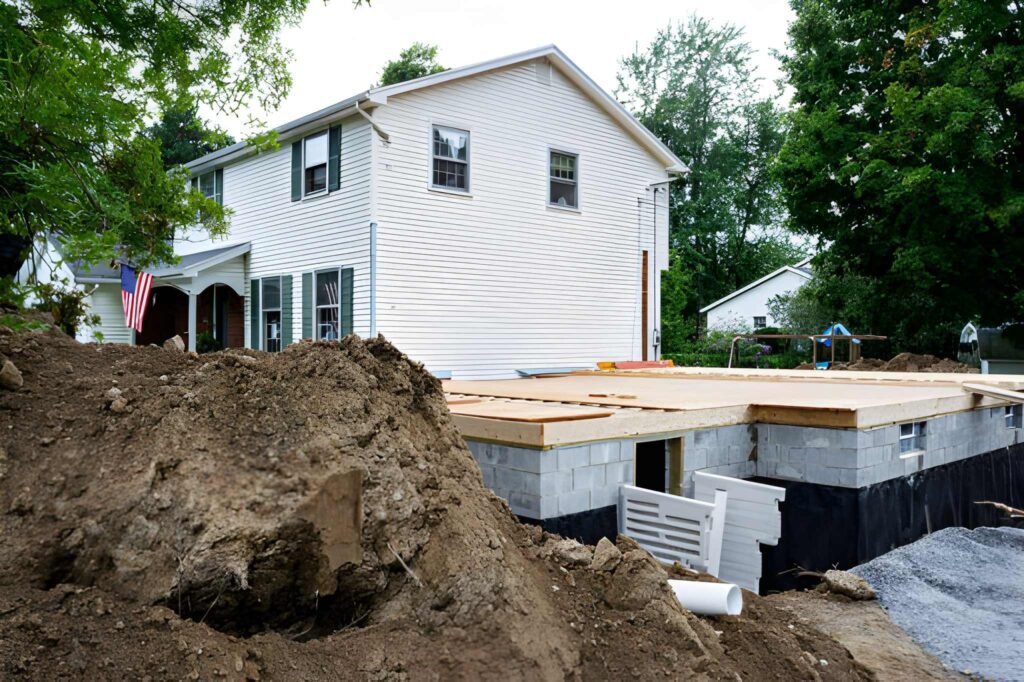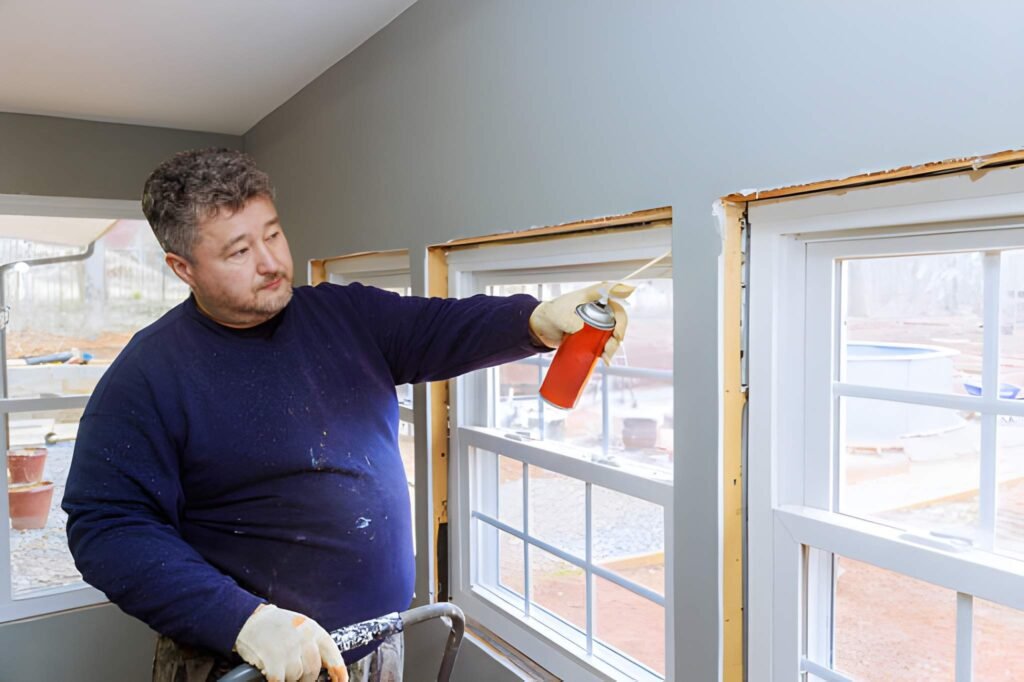

A house repair estimate is more than a simple price quote; it is the foundational document that defines the scope, cost, and terms of a renovation project. A well-prepared estimate protects both the homeowner and the contractor by establishing clear expectations and minimizing the potential for disputes. Understanding how to solicit, interpret, and compare estimates is a critical skill for any homeowner undertaking a repair or renovation.
Anatomy of a Professional Repair Estimate
A credible estimate should be a multi-page, detailed document, not a single figure scribbled on a letterhead. It must include the following components:
1. Contractor and Project Information:
- Contractor’s full business name, address, license number, and contact information.
- Homeowner’s name and property address.
- Date the estimate was prepared.
- A unique estimate or project number for reference.
2. Detailed Scope of Work:
This is the most critical section. It should be a narrative description written in clear, unambiguous language.
- Example of a Vague Scope: “Repair kitchen.”
- Example of a Detailed Scope: “Remove and dispose of existing 30-inch electric range, laminate countertop, and sink. Install new 36-inch gas range (homeowner-supplied), requiring new gas line rough-in from existing main. Fabricate and install new 8-foot section of quartz countertop with integrated sink cutout. Install new single-bowl stainless steel undermount sink and new single-handle pull-down faucet. Connect and test all new fixtures.”
3. Materials Breakdown:
This section specifies the quality, brand, model, quantity, and often the cost of every material to be used.
- Lumber: “20 pieces of 2x4x8′ SPF #2 Grade.”
- Roofing: “30 squares of GAF Timberline HDZ Charcoal architectural shingles.”
- Plumbing: “Moen Arbor Motionsense Touchless Chrome Faucet, Model 7594ECS.”
- Paints: “2 gallons of Benjamin Moore Regal Select in Eggshell finish, color ‘Simply White’ OC-117.”
- It should clearly note which items are Owner Supplied vs. Contractor Supplied.
4. Labor Breakdown:
This outlines the labor required for each phase of the project. It demonstrates the contractor has thought through the sequence and allows you to understand where your money is going.
- Demo and disposal of old materials.
- Framing and structural repairs.
- Rough-in electrical and plumbing.
- Installation of drywall, taping, mudding, and sanding.
- Painting and finish work.
5. Project Timeline:
- Proposed start date.
- Estimated completion date.
- Acknowledgment that timelines are estimates and subject to change due to weather, material delivery delays, or unforeseen conditions.
6. Payment Schedule:
A fair payment schedule is tied to the completion of verifiable project milestones.
- Example Schedule:
- 10% upon signing the contract to secure the schedule.
- 25% upon commencement of work and delivery of materials.
- 30% after rough-in inspections are passed.
- 30% after drywall is complete and painted.
- 5% upon final walk-through and project completion.
- Red Flag: A demand for 50% or more upfront.
7. Cost Summary:
A clear table summarizing all costs.
- Cost of Materials
- Cost of Labor
- Subtotal
- Sales Tax (if applicable)
- Contingency Fund (Typically 10-15% for unforeseen issues)
- Grand Total
8. Terms and Conditions:
- Warranties: Explicitly stated warranties for labor (e.g., 1 year) and manufacturer warranties for materials.
- Change Order Process: The formal procedure for approving any changes to the original scope, including written documentation and cost adjustment.
- Permit Responsibility: Stipulates that the contractor will pull all required permits.
- Insurance: Proof of liability and workers’ compensation insurance.
- Cleanup and Disposal: Specification of daily and final cleanup.
How to Obtain and Compare Estimates
- Solicit at Least Three Estimates: Contact three licensed and insured contractors with strong local references for the same, well-defined project.
- Provide Identical Information: Give each contractor the same detailed description of what you want done to ensure you are comparing apples to apples.
- Beware of Outliers: If one estimate is significantly lower than the others, it is a major red flag. This often indicates inexperience, a misunderstanding of the scope, the use of inferior materials, or a plan to use substandard labor. The low bidder may also be planning to use change orders to dramatically increase the price later.
- Compare the “Why,” Not Just the “What”: A higher estimate may include superior materials, more experienced labor, a longer warranty, or a more thorough preparation and cleanup process. Ask the contractor to justify their pricing.
Sample Estimate Breakdown: Roof Repair
| Item | Description | Quantity | Unit Cost | Total |
|---|---|---|---|---|
| Materials | ||||
| GAF Timberline HDZ Shingles, Charcoal | 32 Squares | $120/Square | $3,840 | |
| Synthetic Roofing Underlayment | 32 Squares | $25/Square | $800 | |
| Ice & Water Shield (4′ eaves) | 120 LF | $2/LF | $240 | |
| Drip Edge, Aluminum | 200 LF | $1.50/LF | $300 | |
| Ventilation Ridge Cap | 80 LF | $3/LF | $240 | |
| Materials Subtotal | $5,420 | |||
| Labor | ||||
| Tear-off & disposal of old roof | 32 Squares | $70/Square | $2,240 | |
| Installation of new roofing system | 32 Squares | $120/Square | $3,840 | |
| Labor Subtotal | $6,080 | |||
| Project Subtotal | $11,500 | |||
| Contingency (10%) | $1,150 | |||
| Grand Total | $12,650 |
Red Flags in an Estimate
- Vagueness: Lack of detail in the scope or materials.
- Large Upfront Deposit: Request for more than 10-15% before work begins.
- Pressure to Sign: High-pressure sales tactics or a “today-only” price.
- No License or Insurance Information.
- Verbal-Only Quotes: Refusal to provide a detailed written estimate.
- Unusually Low Price: As a rule, if it seems too good to be true, it is.
A detailed, professional house repair estimate is the blueprint for a successful project. It transforms a subjective agreement into a clear, actionable plan. By demanding thoroughness, comparing quotes based on value rather than just price, and understanding every component of the estimate, a homeowner can enter into a contractor relationship with confidence, ensuring the project is completed on budget, to the expected standard, and with minimal stress. The goal is not to find the cheapest contractor, but to find the right contractor whose estimate reflects quality, transparency, and reliability.