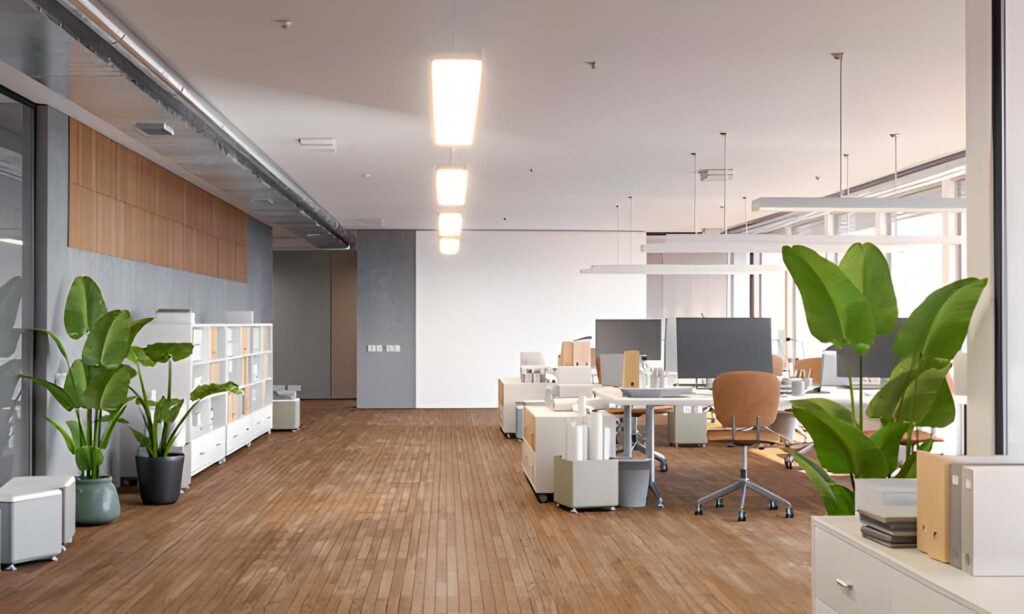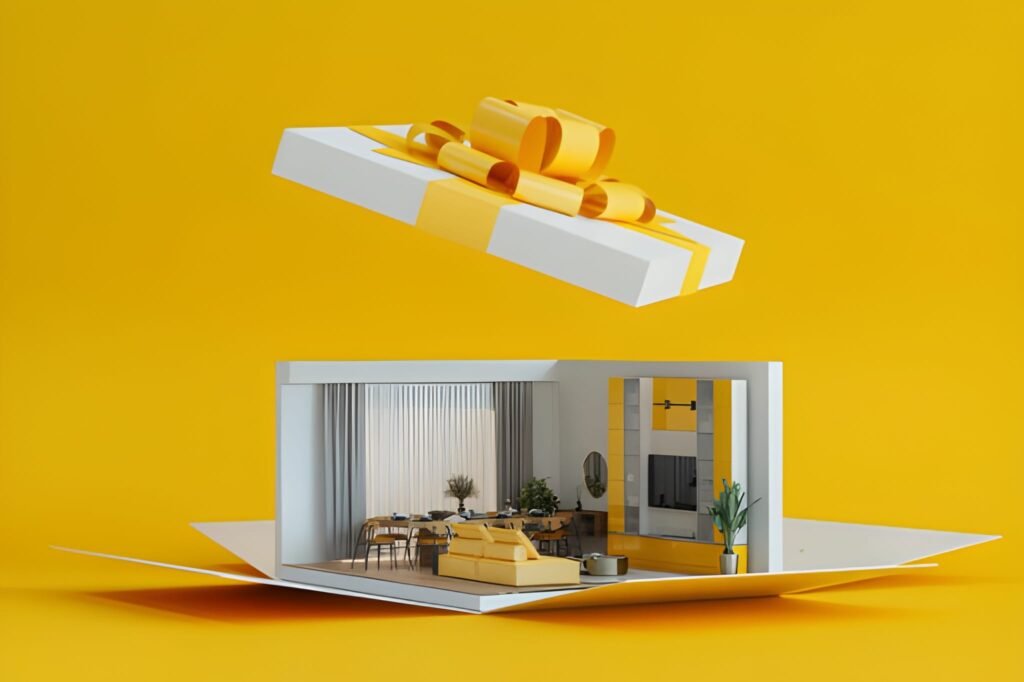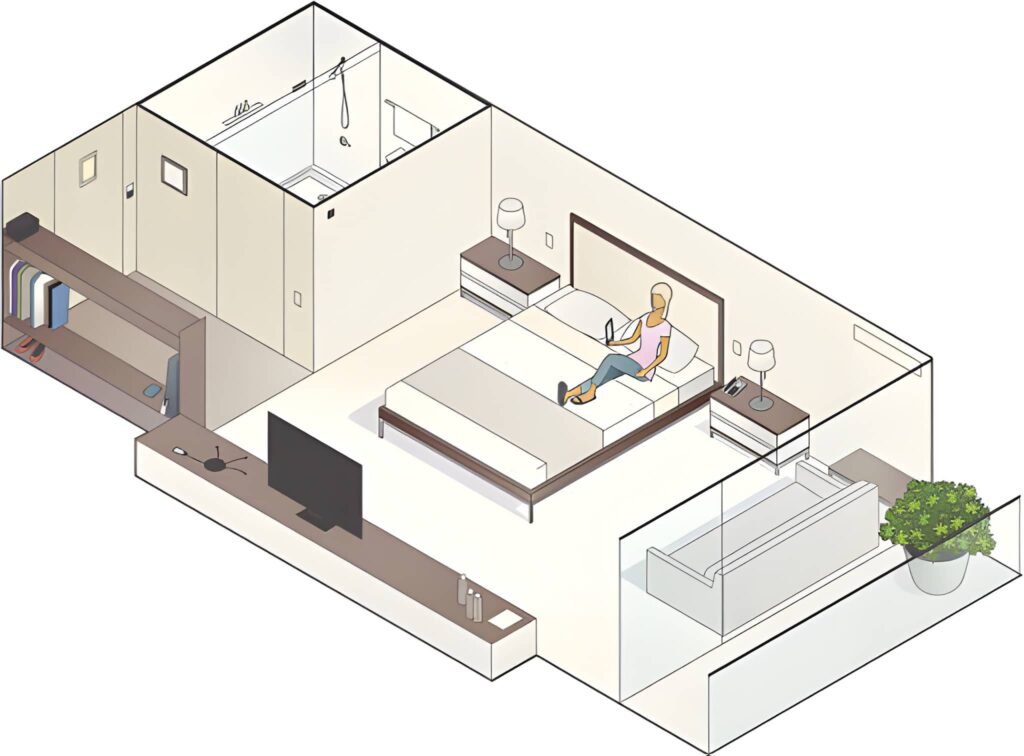
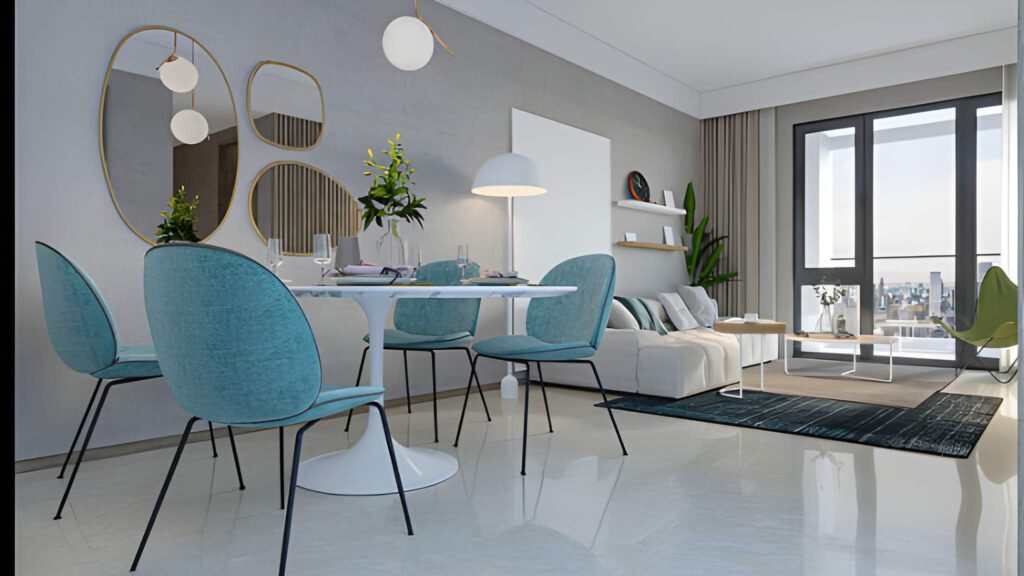
The term “chunk base” in interior design does not refer to a specific style, but rather to a foundational methodology for building a room’s aesthetic from the ground up. It is a strategic, layered process that prioritizes cohesion and intentionality over haphazard decoration. Think of it as constructing a visual argument where each element supports the whole, moving from the largest, most immutable “chunks” of the space down to the finest details. This approach ensures a room feels deliberate, harmonious, and deeply settled, rather than simply “filled with nice things.”
The process is sequential. You cannot successfully choose a throw pillow if you haven’t first established the foundational chunk upon which it will reside.
The Foundational Chunk: The Fixed Elements
This is the non-negotiable base layer. These are the expensive, difficult-to-change elements that form the literal architecture of your space. Your entire design scheme will be a direct response to this chunk.
- The Flooring: This is the largest continuous surface. Is it dark oak, light maple, grey tile, or neutral carpet? Its color, tone, and material will dictate the warmth and formality of the entire room.
- The Walls: What is their color? Are they a bright white, a warm cream, a moody charcoal, or a bold color? This sets the room’s primary atmospheric tone.
- The Fixed Millwork: This includes built-in bookshelves, fireplace surrounds, window casings, and kitchen cabinets. What is their style and finish? A painted shaker cabinet, a stained oak bookcase, and a black marble fireplace all represent significant visual chunks that must be acknowledged.
- The Large, Fixed Furniture: In a condo, this might be a custom, floor-to-ceiling shelving unit. This piece becomes part of the architecture and must be treated as a foundational element.
Action: Before doing anything else, document these elements. They are your starting palette. Your goal is not to fight them, but to build upon them in a way that feels symbiotic.
The Secondary Chunk: The Anchoring Furniture
This layer consists of the large, semi-permanent furniture that defines the function and scale of the room. These pieces should be selected to harmonize with, not compete with, the foundational chunk.
- The Sofa: This is often the largest movable object in the room. Its color and form should be chosen with the flooring and walls in mind. A light grey sofa on a dark wood floor creates a strong, deliberate contrast. A beige sofa on a beige carpet requires texture to create definition.
- The Rug: The rug is a critical transitional chunk. It must relate to both the flooring below it and the furniture on top of it. It should be large enough to “anchor” the main seating area, with all front legs of the furniture resting on it.
- Key Casegoods: The dining table, the bed frame, a large media console. These pieces establish the visual weight and style (e.g., mid-century, traditional, industrial) of the space.
The Guiding Principle for Chunks 1 & 2: The 60-30-10 Rule.
Apply this classic design rule to your foundational and secondary chunks. Your dominant color (60%) comes from your walls and large upholstery. Your secondary color (30%) comes from your rug and perhaps a key piece of casegoods. Your accent color (10%) is introduced here sparingly, perhaps in a smaller accent chair or the sofa’s throw pillows. This creates an immediate, baseline cohesion.
The Tertiary Chunk: The Functional & Textural Layer
This is where the space becomes personalized and functional. These elements add depth, comfort, and narrative.
- Window Treatments: Drapery or shades add softness, texture, and height. They should relate to the color palette established in the first two chunks, often matching the dominant or secondary color.
- Lighting: This includes floor lamps, table lamps, and pendants. Lighting is jewelry. The finishes (metal, ceramic, paper) should be consistent—choose one or two primary metal finishes and repeat them throughout.
- Textiles: Throw pillows and blankets. This is where you can introduce more complex patterns and your remaining accent colors. The key is to ensure each pillow relates to at least one other color already present in the room.
- Artwork: Art should be chosen for the space, not in isolation. It can pull together all the room’s colors or serve as a stunning, focused contrast. Its scale should be appropriate for the wall it occupies.
The Accent Chunk: The Personal Artifacts
This is the final, smallest layer—the details that make the space uniquely yours without disrupting the established harmony.
- Decor Objects: Vases, sculptures, books, trays. Group them in odd numbers and vary their height. Their colors should feel intentional within the overall palette.
- Plants: The organic element that adds life and a soft, irregular shape. They are the finishing touch that makes a designed room feel livable.
| Design Chunk | Examples | Primary Function | Key Consideration |
|---|---|---|---|
| 1. Foundational | Flooring, Wall Color, Built-ins, Fireplace | Sets the architectural tone and non-negotiable palette. | Permanence. You must build your scheme around these. |
| 2. Secondary | Sofa, Rug, Bed, Dining Table | Defines the room’s function, scale, and core style. | Scale & Proportion. These pieces must fit the space and relate to the foundational chunk. |
| 3. Tertiary | Drapery, Lighting, Pillows, Art | Adds layers of comfort, function, and personality. | Repetition & Texture. Repeat colors and introduce varied textures for depth. |
| 4. Accent | Decor, Books, Plants, Trays | Injects individuality and a lived-in feel. | Curation. Less is more. Group items for impact. |
By adhering to the “chunk base” methodology, you design in a logical, stress-free sequence. You begin with the macro and move to the micro. This prevents the common mistake of falling in love with a small, accent-colored object and then struggling to build an entire room around it. Instead, you build a stable, harmonious foundation first, ensuring that every subsequent addition feels like a natural and welcome part of a unified whole. The result is a space that feels not just decorated, but fundamentally designed.