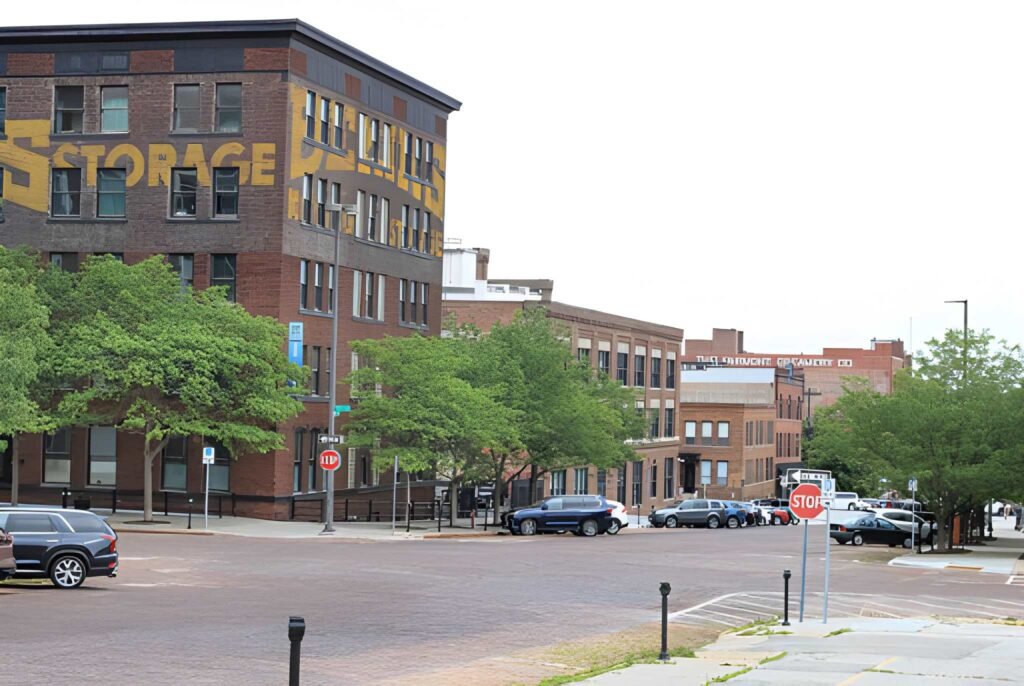

A 5,000 square foot retail space represents a pivotal threshold in the commercial landscape. This is no longer a boutique or a niche shop; it is a substantial platform capable of supporting a significant brand presence, a diverse merchandise mix, and a deeply immersive customer experience. Operating at this scale shifts the fundamental business imperative from mere survival to strategic market establishment. The tenant is no longer just a retailer but an anchor, a destination in their own right. The successful activation of 5,000 sq ft requires a master plan that seamlessly integrates advanced zoning, sophisticated customer flow, and a robust operational backbone to support the increased volume and complexity.
The architectural approach to a 5,000 sq ft footprint is one of deliberate district-making. The space is large enough to be divided into multiple, distinct zones, each with a specific function and atmosphere. The classic “racetrack” or looped main aisle remains effective, but it now connects a series of defined “rooms” or departments. For an apparel retailer, this could mean separate, clearly defined sections for men’s, women’s, and children’s wear, each with its own fitting room area to prevent cross-traffic congestion. For a home goods store, this translates into dedicated vignettes for living room, bedroom, and kitchen, creating an aspirational, magazine-like feel. The focal point of the store evolves from a single display into a central “experience hub.” This could be a seating area with a large visual installation, a live product demonstration station, or a coffee bar integrated into the layout. This hub serves as a resting point, a social space, and a powerful brand statement, encouraging customers to linger and deepening their engagement beyond a transactional relationship.
The operational infrastructure must be engineered to match the scale of the sales floor. The stockroom is no longer a closet; it requires a dedicated 400-600 square feet, organized with industrial shelving and a logical workflow for receiving, processing, and dispersing merchandise. The point-of-sale area must be designed as a “front-of-house” command center, with multiple terminals to handle peak traffic and space for wrapping large or fragile items. Employee areas, including a break room and lockers, become essential for maintaining a professional and motivated staff. Furthermore, a 5,000 sq ft space often necessitates a dedicated office for management, inventory control, and administrative functions, separating the calm of back-office work from the energy of the sales floor.
Financial and Logistical Considerations at Scale
The financial commitment for a space of this size is substantial and moves beyond simple rent calculations. With average base rents varying widely by market—from $20 per square foot in a secondary market to $50+ in a prime urban location—the annual base rent can range from $100,000 to over $250,000. When combined with NNN (Triple Net) charges for taxes, insurance, and Common Area Maintenance (CAM), which can add $6-$12 per square foot, the total annual occupancy cost can easily land between $130,000 and $310,000. This does not include utilities, which for a space this size with significant lighting and HVAC demands, can be a five-figure annual expense.
The build-out cost is a major capital project. A vanilla shell requires a comprehensive investment in everything from HVAC systems and electrical panels to flooring, lighting, and restrooms. A moderate build-out can cost $75-$125 per square foot, implying a total investment of $375,000 to $625,000. Highly customized, experiential finishes can push this cost well over $1 million. Staffing scales accordingly, requiring a team of 8-15 or more employees across management, sales, and operational roles. The inventory investment is also significant, requiring a sophisticated open-to-buy plan and a merchandising strategy that ensures the large square footage is filled with a compelling, well-balanced assortment that turns over efficiently.
Table: Zoning a 5,000 Sq Ft Retail Space for Maximum Impact
| Zone | Approx. Sq Ft | Key Elements | Strategic Purpose |
|---|---|---|---|
| Grand Entrance & Decompression | 300 – 500 sq ft | High-ceilinged area, striking visual merchandising, clear sightlines. | To create a “wow” factor, establish brand identity, and allow customers to acclimate. |
| Primary Circulation Loop | N/A (integrated) | Wide main aisle (8-10 ft), guiding customers past all major departments. | The “spine” of the store, ensuring easy navigation and exposure to the full merchandise range. |
| Departmental Zones | 2,500 – 3,200 sq ft | Themed sections (e.g., Men’s, Home, Kids), each with dedicated fixtures and fitting rooms. | To organize a vast inventory intuitively, creating focused shopping experiences within the whole. |
| Central Experience Hub | 400 – 600 sq ft | Seating, interactive displays, cafe, service counter. | To increase dwell time, foster community, and provide a memorable brand experience beyond shopping. |
| Operational Core | 600 – 800 sq ft | Stockroom, multi-station cash wrap, management office, employee areas. | To support the high-volume operation efficiently, keeping the sales floor clean and focused. |
The Destination Business Model
To justify the overhead and square footage, the business model must be that of a destination. Customers need a compelling reason to choose this store over competitors, including online options. This is achieved through a combination of:
- Exceptional Curation: Offering a product mix that is unique, comprehensive, or unavailable elsewhere in the market.
- Superior Service: Providing expert staff, personal shopping, or customization services that cannot be replicated online.
- Experiential Engagement: Hosting in-store events, workshops, or providing amenities that make visiting the store an event in itself.
In conclusion, a 5,000 square foot retail space is a platform for building a market-leading brand. It offers the canvas to tell a complete brand story, deliver a superior level of service, and create an environment that customers seek out. However, this opportunity is coupled with a proportional level of risk, demanding significant capital, operational expertise, and a bulletproof concept. For the right operator, it is a chance to move beyond simply selling products and to begin crafting a lasting retail institution.