The leap to a 2,500 square foot retail space represents a fundamental shift in business strategy. This is no longer a boutique or a niche operation; it is a substantive commercial enterprise with the physical presence and operational complexity to become a neighborhood anchor. This footprint provides the room to build a comprehensive brand experience, but it also demands a significant increase in capital, staffing, inventory, and strategic planning. The business that succeeds here must generate enough revenue not just to cover rent, but to justify a much larger and more intricate operational machine.
A 2,500 sq ft space offers a new level of versatility. It allows for deeper product selection, the incorporation of experiential elements, and the potential for multiple, distinct zones under one roof. The operator transitions from a merchant to an impresario, curating not just products, but an entire customer journey.
The Architecture of Scale: Zoning for Maximum Impact
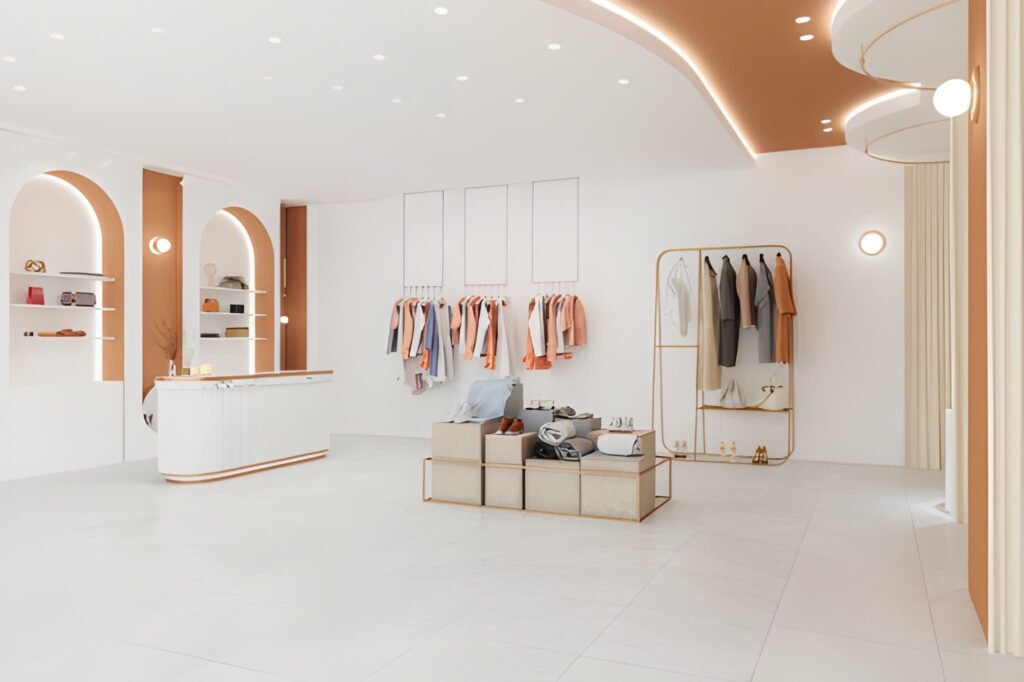
The effective use of 2,500 square feet requires a deliberate and strategic floor plan. Wasted space is a luxury this business model cannot afford. A successful layout typically incorporates several defined areas:
- The Grand Entry & Core Retail Floor (Approx. 1,000-1,200 sq ft): This is the primary shopping environment. It must feel spacious and uncluttered, with wide aisles, impactful feature displays, and a clear line of sight to draw customers deeper into the space. The point-of-sale area becomes a more substantial “command center,” often with space for multiple registers.
- The Experience or Service Zone (Approx. 400-600 sq ft): This is the critical differentiator. This dedicated area could be a cafe seating nook, a tasting bar, a children’s play area, a demonstration kitchen for classes, or a dedicated fitting room suite for apparel. This zone creates dwell time, which directly correlates to increased sales.
- The Production & Storage Hub (Approx. 600-800 sq ft): The backend operations expand significantly. A 2,500 sq ft business requires robust inventory storage to avoid frequent, costly restocking. This area might include a dedicated receiving bay, a staff break room, a manager’s office, and potentially a small workshop or prep kitchen.
Ideal Business Concepts for a 2,500 Sq Ft Footprint
This scale is suited for businesses that have outgrown a smaller prototype or are launching with a proven, scalable concept.
- The Comprehensive Specialty Food Market:
- A Full-Service Butcher or Fishmonger: With space for extensive display cases, a cutting room, and potentially a small prepared foods section.
- A Large-Format Brewery Taproom or Urban Winery: Accommodating a significant production area, a large bar, and ample seating for patrons.
- An Expanded Bakery & Cafe: Featuring a full kitchen, a larger retail case, and seating for 30-40 customers, transforming it into a casual lunch destination.
- The Multi-Department Lifestyle Store:
- A Home Furnishings & Decor Store: Able to display furniture vignettes, a wide selection of rugs, lighting, and kitchenware, creating an aspirational, room-setting experience.
- An Outdoor & Adventure Gear Retailer: With enough space for dedicated sections for camping, hiking, water sports, and footwear, plus room for brand shops-in-shop.
- A “Category Killer” Niche Retailer: A store that aims to have the deepest inventory in a specific category within a community, such as crafts, running gear, or vinyl records, becoming the undeniable go-to destination.
- The Hybrid Service & Retail Powerhouse:
- An Upscale Pet Supply & Grooming Hub: Featuring a large retail floor for food, toys, and accessories, plus multiple grooming stations and self-wash bays.
- A High-End Bicycle Shop: With a expansive showroom for dozens of bikes, a dedicated repair workshop, and a fitting area for professional bike fittings.
- A Beauty Apothecary & Salon: Combining a curated retail selection of skincare and cosmetics with stations for aestheticians, makeup artists, or hairstylists.
The Financial and Operational Commitment
Operating at this scale is a different financial ballgame. The following table outlines the escalated commitments:
| Operational Factor | Implications for a 2,500 Sq Ft Business |
|---|---|
| Staffing | Requires a team, not just employees. Likely needs a store manager, several shift supervisors, and multiple part-time sales associates. Payroll is the largest or second-largest expense. |
| Inventory Investment | The capital required to stock a space of this size is substantial. It requires sophisticated inventory management to avoid being overstocked on slow-moving items while maintaining breadth and depth. |
| Lease & Occupancy Costs | Base rent and NNN fees are significant. A space at $30/SF/YR equals $75,000 annually in base rent, or $6,250 per month, before taxes, insurance, and CAM. Utility costs for lighting and HVAC are much higher. |
| Marketing & Grand Opening | A “build it and they will come” strategy fails at this scale. A substantial marketing budget for a grand opening and ongoing promotion is essential to drive the necessary customer volume. |
The Location Imperative: Destination vs. Discovery
The success of a 2,500 sq ft business is critically dependent on its location, which must support the required customer volume.
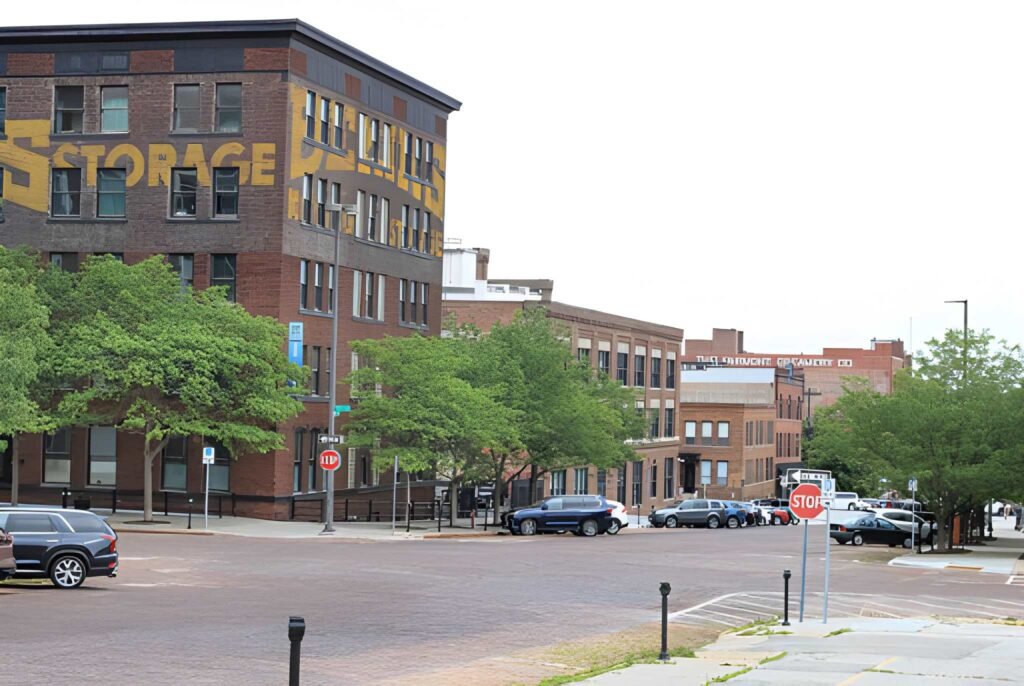
- The Main Street Anchor: In a vibrant downtown or main street district, this size allows a business to become a primary destination, drawing customers from a wide trade area. It requires high visibility and accessible parking.
- The Power Strip Center Tenant: This is a classic fit. Located next to a major anchor like a Whole Foods or a Target, the business benefits from the high traffic these anchors generate. The concept must be complementary, not competitive.
- The Standalone Destination: This model works for concepts so unique and compelling that customers will make a dedicated trip. Examples include a specialty hardware store, a large antique mall, or a specific restaurant concept. This requires excellent signage and ease of vehicular access.
A 2,500 square foot retail space is a statement of ambition. It is a platform for building a brand with a significant community presence. The operator must be equal parts merchant, marketer, and manager, capable of overseeing a complex operation with multiple moving parts. The risks are higher, the workload is greater, but the potential for establishing a lasting, profitable, and influential business is profoundly amplified. This is the space where a small business truly grows up.