Structural Integrity: Expert Guide to House Leveling and Foundation Repair
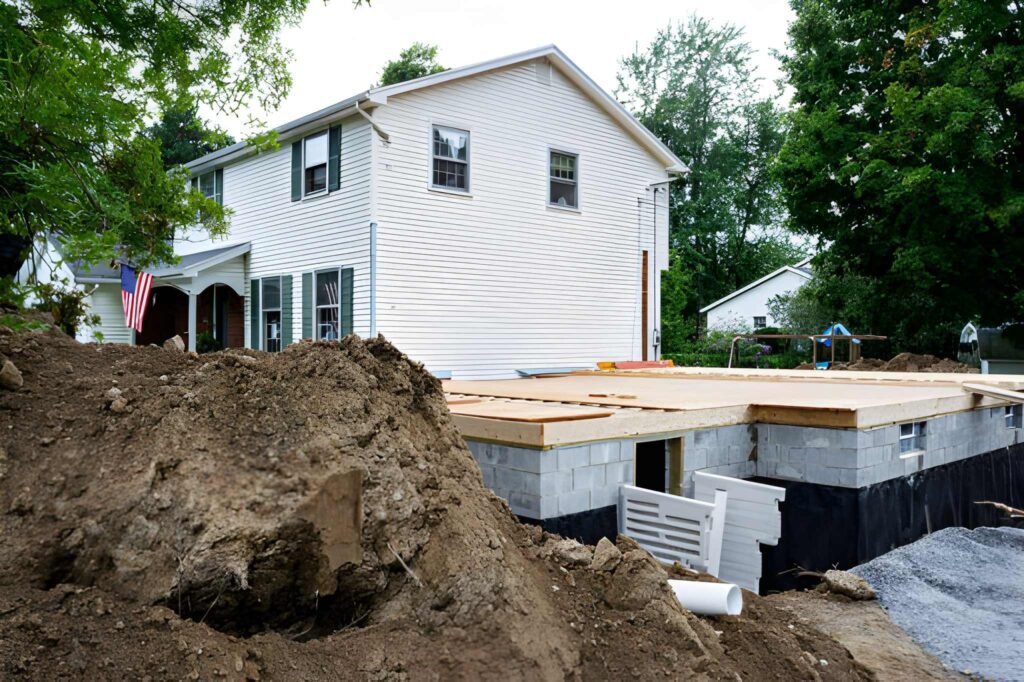
House leveling and foundation repair address the most significant structural risk a homeowner faces. The need for leveling typically stems from **differential settlement**, where varying soil conditions beneath the footing cause parts of the structure to sink or heave unevenly. This leads to common interior symptoms like jammed doors, sloping floors, and wall cracks.
For a real estate asset, foundation failure is catastrophic. It renders a home uninsurable, ineligible for conventional mortgage financing, and severely depresses market value. Effective repair requires a precise geotechnical diagnosis, often involving a structural engineer, before selecting the appropriate stabilization method. This interactive dashboard guides the homeowner through diagnosing the soil risk, identifying the failure type, and selecting the expert stabilization technique necessary to preserve the home's value.
Phase 1: Geotechnical Risk Assessment
Soil type dictates the stability and potential for future movement. Expansive clay and poorly compacted fill dirt pose the highest risk. Select the primary soil condition in your region, as well as the primary cause of movement.
1. Local Soil Type
Expansive Clay
High risk. Swells when wet (Heave), shrinks when dry (Settlement).
Loose Sand/Silt
Moderate risk. Prone to washouts and erosion under footing.
Uncompacted Fill Dirt
Highest risk. Settlement is guaranteed as material naturally compacts.
2. Primary Cause of Movement
Poor Drainage/Hydrostatic Pressure
Water pooling near the foundation base causes soil expansion or washout.
Plumbing Leaks/Slab Leaks
Localized saturation leads to rapid, immediate sinking of the footing.
Drought/Soil Shrinkage
Expansive clay dries out and shrinks, removing support from beneath the footing.
Phase 2: Stabilization Technique Selection
The severity of structural damage requires a stabilization method called **underpinning**, which extends the foundation footing to deeper, more competent load-bearing soil. Leveling the house requires the temporary use of hydraulic jacks in conjunction with the installed piers.
Geotechnical Assessment Summary
Select the soil type and cause of movement above to determine the primary stabilization technique and the corresponding level of risk associated with the repair.
Phase 3: Deep Stabilization Methods (Underpinning)
Underpinning is a surgical process where piers are installed beneath the existing foundation footer (or beam) to transfer the structure's weight from unstable surface soil to stable deep strata. The selection of the pier type is highly dependent on the diagnosis.
Helical Piers (The "Screw Pile")
Helical piers are steel shafts with corkscrew-like plates welded to them. They are mechanically screwed into the ground until they reach a predetermined load-bearing capacity. This method is preferred when **access is limited** (e.g., inside a crawl space) or when **minimal excavation** is desired. They excel in sandy or loose fill soils because they can anchor efficiently. This is often the quietest and fastest method of stabilization.
After installation, a heavy-duty steel bracket connects the pier to the concrete foundation footer, preparing the structure for controlled hydraulic lifting (leveling).
Push Piers (Resistance Piers)
Push piers involve using hydraulic equipment to drive straight steel pipes deep into the ground using the weight of the house itself as resistance. They are typically used for heavy structures built on **deep clay or very soft soils** where massive resistance is needed. This method is aggressive and requires more space for installation equipment.
Once the refusal depth is reached, the house is lifted and leveled using synchronized hydraulic jacks. Concrete or steel shims are permanently welded between the pier bracket and the foundation to lock the structure at its new, stable elevation.
Phase 4: Financial Impact and Value Preservation
Foundation repair is a high-cost capital expenditure, typically ranging from **$15,000 to over $50,000**, depending on the extent of the failure, the number of piers required, and the geotechnical conditions. However, the return on investment is immediate and non-negotiable: the repair prevents the complete depreciation of the home's value.
Cost Breakdown and Return on Investment (ROI)
The primary driver of cost is the **number of piers required** and the **depth** they must be driven to find stable soil. Each pier installation, including excavation, lifting, and finishing, typically costs between $1,200 and $3,000. While expensive, a professionally warranted foundation repair shifts the home from being unmarketable (zero value to a mortgage lender) to being fully insurable and financeable. The ROI is realized by preventing a 100% loss of market value.
Mortgage Eligibility and Warranty Transfer
For mortgage lending (FHA, VA, and Conventional), evidence of structural stabilization is mandatory if movement has occurred. Appraisers and lenders require two key documents: 1) A **Structural Engineer's Report** certifying that the repair method is appropriate and complete. 2) A **Transferrable Lifetime Warranty** from the foundation repair contractor. This warranty assures future buyers that if movement recurs, the pier system is covered, alleviating long-term risk and making the property highly financeable.
Preventative Measures: The Cheaper Solution
The vast majority of foundation problems start with water. The most effective "repair" is preventative drainage correction. Ensuring gutters are clean, downspouts extend at least six feet away from the foundation, and the surrounding soil is properly graded (sloping away from the house) eliminates the primary catalyst for soil expansion and washout, often preventing the need for costly underpinning entirely. Consistent moisture management protects the foundation more than any cosmetic crack repair ever could.
House leveling is a critical structural intervention that restores the home's safety and value. By correctly diagnosing the cause and investing in a warranted stabilization system, homeowners secure the integrity of their most valuable asset for decades to come.