Heating system repairs represent critical home maintenance that ensures comfort, safety, and energy efficiency during cold months. The approach varies significantly by system type, with repair complexity ranging from simple component replacement to complete system overhauls.
Heating System Types and Common Problems
Forced Air Systems (Furnaces):
Most Common in North America
Gas Furnace Issues:
- Ignition Problems: Faulty ignitor, flame sensor, or gas valve
- Heat Exchanger Cracks: Serious safety hazard requiring immediate attention
- Blower Motor Failure: Bearings, capacitor, or motor windings
- Limit Switch Malfunctions: Causes short cycling
- Dirty Filters/Restricted Airflow: Most common preventable issue
Oil Furnace Issues:
- Nozzle Clogging: Requires professional cleaning
- Fuel Pump Failure: Loss of oil pressure
- Electrode Problems: Poor ignition or soot buildup
- Stack Relay Failure: Safety control malfunction
Electric Furnace Issues:
- Sequencer Failure: Staged heating element operation
- Element Burnout: Heating coil failure
- Contactor Problems: Electrical switching component failure
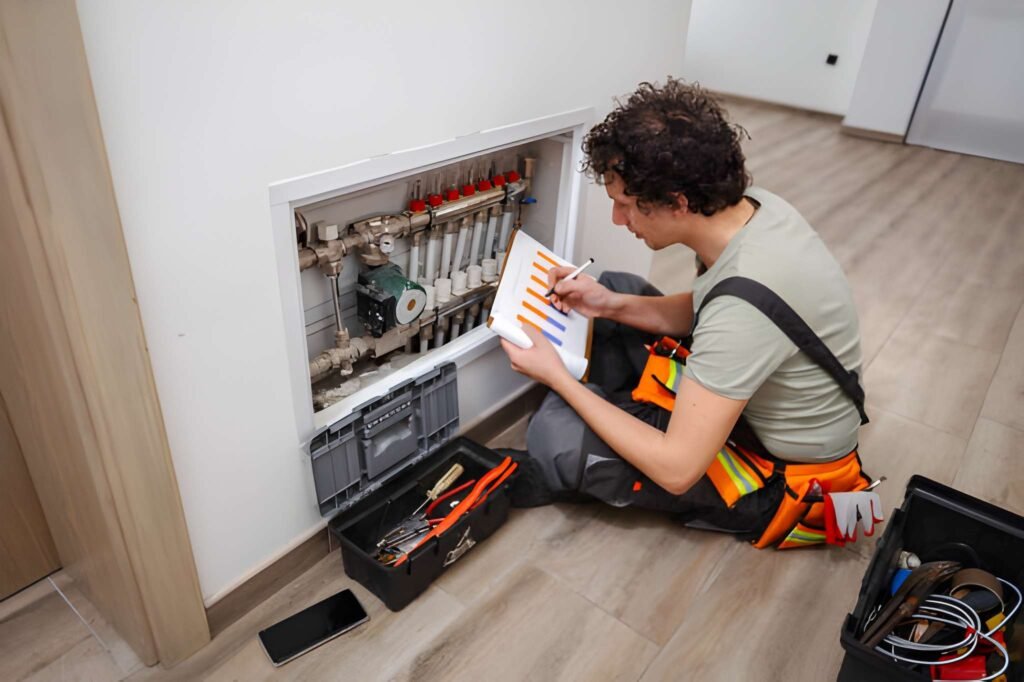
Hydronic Systems (Boilers):
Common Boiler Problems:
- Circulator Pump Failure: No heat distribution
- Low Water Pressure: Requires repressurization
- Air in System: Causes gurgling and reduced efficiency
- Zone Valve Malfunction: Individual area heating failure
- Expansion Tank Failure: Pressure regulation issues
Heat Pump Systems:
Heating Mode Issues:
- Reversing Valve Failure: Stuck in cooling mode
- Defrost Cycle Problems: Ice buildup on outdoor coil
- Refrigerant Leaks: Reduced heating capacity
- Auxiliary Heat Failure: Emergency heat strip issues
Diagnostic Process
Initial Assessment:
- Check thermostat settings and power
- Verify system power at main disconnect
- Inspect air filters and vents
- Listen for unusual noises
- Check for error codes on control boards
Professional Diagnostic Tools:
- Manometer: Gas pressure measurement
- Combustion Analyzer: Efficiency and safety testing
- Multimeter: Electrical component testing
- Refrigerant Gauges: Heat pump performance analysis
Repair Cost Ranges
Minor Repairs:
- Thermostat Replacement: $100 – $300
- Flame Sensor Cleaning: $75 – $200
- Ignitor Replacement: $150 – $400
- Capacitor Replacement: $120 – $300
Moderate Repairs:
- Blower Motor Replacement: $300 – $800
- Gas Valve Replacement: $400 – $800
- Circuit Board Replacement: $400 – $900
- Circulator Pump Replacement: $500 – $1,000
Major Repairs:
- Heat Exchanger Replacement: $1,200 – $3,000
- Compressor Replacement: $1,500 – $2,800
- Complete Burner Assembly: $800 – $1,800
DIY vs Professional Repair
Appropriate DIY Tasks:
- Air filter replacement
- Thermostat battery replacement
- Vent clearance and basic cleaning
- Visual inspection of accessible components
Professional-Only Tasks:
- Gas line work (requires licensed technician)
- Electrical component replacement
- Refrigerant handling (requires EPA certification)
- Heat exchanger inspection/replacement
- Combustion chamber work
Emergency Heating Repair Situations
Immediate Professional Attention Required:
- Gas odor (evacuate and call utility company first)
- Smoke or burning smells
- Carbon monoxide detector activation
- Water leaking from boiler
- Electrical sparking or smoking
Temporary Measures While Awaiting Repair:
- Use supplemental space heaters safely
- Close off unused rooms
- Maintain plumbing drip to prevent freezing
- Keep curtains open during daylight hours
Preventive Maintenance Costs
Annual Service Contracts:
- Basic Inspection: $80 – $150
- Comprehensive Tune-up: $150 – $300
- Priority Service: Additional $100 – $200/year
DIY Maintenance Tasks:
- Monthly filter changes: $10 – $30 per filter
- Annual visual inspection: $0 (your time)
- Vent clearance and cleaning: $0 (basic tools)
System Age and Repair Decisions
Repair vs Replacement Considerations:
- Under 10 years: Usually repair unless major component failure
- 10-15 years: Cost-benefit analysis required
- Over 15 years: Consider replacement if repair exceeds $1,500
Replacement Cost Context:
- High-Efficiency Furnace: $3,500 – $7,500
- Boiler Replacement: $5,000 – $10,000
- Heat Pump System: $4,500 – $8,500
Energy Efficiency and Cost Savings
Common Efficiency Improvements:
- Programmable Thermostat: $150 – $300 installation, 10-20% savings
- Duct Sealing: $500 – $2,000, 15-25% efficiency improvement
- System Zoning: $2,000 – $5,000, targeted comfort and savings
Finding Qualified Professionals
Credential Verification:
- HVAC Certification: NATE certification preferred
- Gas License: Required for gas line work
- EPA Certification: Required for refrigerant work
- Insurance: Minimum $1,000,000 liability
Red Flags in Service Providers:
- Unwilling to provide written estimates
- No physical business address
- Pressure for immediate decisions
- Quotes significantly below market rates
Seasonal Considerations
Peak Season Challenges:
- Winter: Higher demand, potential for emergency rates
- Summer: Better scheduling availability for non-emergencies
Optimal Maintenance Timing:
- Fall: Best time for preventive maintenance
- Spring: Good time for system upgrades or replacements
Warranty and Service Agreements
Standard Warranties:
- Parts: 1-10 years (manufacturer dependent)
- Labor: 1-5 years (installer provided)
- Extended Warranties: $200 – $600/year
Service Agreement Benefits:
- Priority scheduling
- Discounted repair rates
- Annual maintenance included
- Sometimes includes parts warranty extension
Safety Considerations
Carbon Monoxide Risks:
- Install CO detectors near sleeping areas
- Annual combustion safety testing
- Immediate attention to any venting issues
Fire Safety:
- Clearance around heating equipment
- Regular electrical component inspection
- Proper storage of combustibles
Environmental Regulations
Recent Standards:
- AFUE Ratings: 80% minimum for furnaces
- SEER/HSPF: Minimum efficiency standards for heat pumps
- Refrigerant Phaseouts: R22 no longer produced, R410A being phased out
Conclusion
Heating system repair requires balancing immediate comfort needs with long-term system health and safety. While some maintenance tasks are homeowner-appropriate, most repairs demand professional expertise due to the complex interplay of electrical, combustion, and mechanical systems. The most cost-effective approach combines regular preventive maintenance with prompt attention to emerging issues before they become emergencies. When facing significant repairs, obtain multiple quotes and consider the age and condition of your entire system—sometimes replacement offers better long-term value than repeated repairs on an aging system. Always prioritize working with qualified, insured professionals, particularly for gas and electrical components where improper repair can create serious safety hazards.