Essential Central AC Repair Guide: Troubleshooting, Parts, and Pro vs. DIY Strategy
Maintaining Home Comfort and Preserving System Longevity
Central air conditioning is a necessity for comfort and a vital component of home value in the US. When a system fails, the homeowner faces not only immediate discomfort but also the potential for costly structural and financial damage. A strategic approach to AC repair involves methodical troubleshooting, accurate parts identification, and an informed decision about when to engage a professional. Understanding the core components and their failure points allows the homeowner to solve simple issues independently and communicate effectively with an HVAC technician for complex repairs.
Contents: System Diagnostic Roadmap
1. DIY First Response: 5 Essential Checks
Before making an expensive service call, perform these five fundamental, no-tools-required checks. They resolve the most frequent AC issues and confirm the problem's severity.
The Quick Troubleshooting Checklist
Check 1: Thermostat Settings and Power
Ensure the thermostat is set to 'Cool' and the desired temperature is at least three to five degrees lower than the current room temperature. Check that the thermostat has fresh batteries, as dead batteries cause complete system shutdown.
Check 2: Air Filter Condition
A severely clogged air filter restricts airflow across the evaporator coil, preventing heat absorption. This causes the coil to freeze, resulting in lukewarm air output. Replace or clean the filter immediately.
Check 3: Circuit Breaker Status
The external compressor or internal air handler may trip a dedicated circuit breaker due to a power surge or a short. Locate your main electrical panel and check the breaker labeled 'HVAC' or 'AC'. Flip it fully off, wait 60 seconds, and flip it back on. If it trips immediately, stop and call a professional.
Check 4: Outdoor Unit Debris
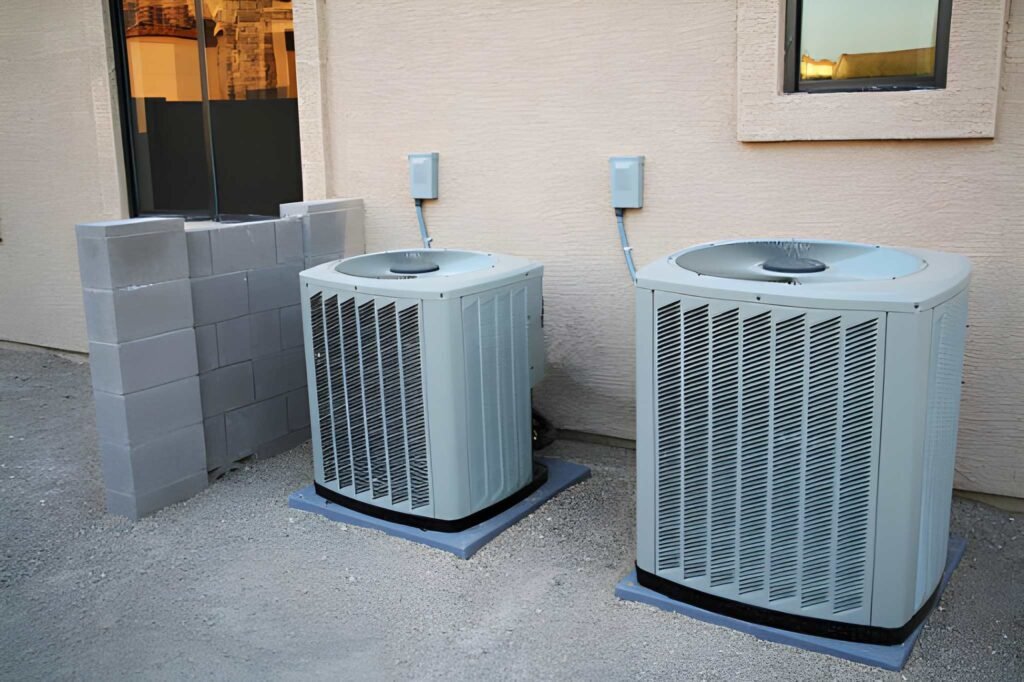
The outdoor condenser unit must be free of obstruction to exhaust heat. Clear all grass clippings, leaves, and debris at least two feet away from the unit's sides. Ensure the coils are clean; gently rinse them with a garden hose while the unit power is off.
Check 5: Condensate Drain Line
If water leaks around the indoor unit or the unit shuts down unexpectedly, the condensate drain line is likely clogged with algae or sludge. This triggers a safety switch. Look for the small PVC pipe exiting the indoor unit and check for blockages.
2. Common Mechanical and Electrical Failures
When the basic troubleshooting fails, the problem often involves electrical components that regulate the massive power loads of the fan and compressor motors.
Motor Failure and Capacitors
The fan motors (both the outdoor condenser fan and the indoor blower fan) rely on **capacitors** to receive the electrical jolt necessary for startup. A common failure point is the capacitor, which can swell, leak, or fail entirely due to heat or age.
Signs of a Failing Capacitor:
- The outdoor unit hums but the fan does not spin.
- The fan needs a manual push to start spinning.
- The indoor fan runs, but the air is not cool (indicating the outdoor compressor system is not starting).
Contactor Failure and Electrical Issues
The **contactor** is a high-voltage switch, typically found in the outdoor unit, that receives the signal from the thermostat and powers the compressor and fan. Over time, the contact points can pit, burn, or fuse together due to frequent cycling and high current draw.
A stuck or burned contactor prevents the outdoor unit from starting reliably. Symptoms include the outdoor unit failing to start even though the thermostat calls for cooling, or, conversely, the unit running continuously without cycling off.
3. Refrigerant and Compressor Problems
These issues represent the most expensive and severe system failures, often leading to replacement considerations.
Refrigerant Leaks and Ice Formation
Refrigerant, such as R-410A, is the agent that absorbs heat; it is not consumed during operation. Low refrigerant levels always mean a leak exists in the system lines or coil. Leaks cause several destructive outcomes:
- Reduced Efficiency: The system cannot transfer heat effectively, leading to poor cooling.
- Evaporator Freezing: Low pressure causes the indoor coil to get too cold, freezing the moisture on its surface.
- Compressor Damage: Refrigerant carries the oil that lubricates the compressor. Running a unit low on refrigerant starves the compressor of oil, leading to catastrophic overheating and mechanical failure.
Diagnosing a Failing Compressor
The **compressor** is the heart of the AC system. Its failure requires serious financial consideration. Signs of failure include:
- Loud grinding, banging, or persistent rattling noises from the outdoor unit.
- The outdoor unit runs, but the large insulated line feels warm instead of cold and sweating.
- The unit draws excessive power, causing the circuit breaker to trip repeatedly.
4. Key Replacement Parts and Estimated Costs
Understanding the parts helps prepare you for professional cost estimates. Note that estimates below reflect parts and labor averages in the US.
Repair Cost Comparison Table
| Repair Component | Estimated Cost Range (USD) | Severity |
|---|---|---|
| Capacitor or Contactor | 150 to 450 | Low |
| Fan Motor (Condenser or Blower) | 400 to 1,200 | Medium |
| Refrigerant Leak Repair and Recharge | 700 to 2,500 (Varies by leak location) | High |
| Compressor Replacement | 2,500 to 4,500+ | Very High |
5. The Repair vs. Replace Financial Strategy
The most challenging decision for a homeowner is whether to repair a failing system or replace it entirely. This decision centers on the system's age and the cost of the needed repair.
The 50% Rule and System Age
Most HVAC experts recommend replacement if the cost of the repair approaches or exceeds 50% of the cost of a brand-new system. This rule is especially relevant if the unit is older than ten years.
Reasons to Favor Replacement:
- Age: AC units have an average lifespan of 15 to 20 years. Replacing a unit older than 12 years avoids compounding repairs.
- Efficiency Gains: Modern units carry much higher Seasonal Energy Efficiency Ratio (SEER) ratings. Replacing an old SEER 8 or 10 unit with a new SEER 16 or higher model yields substantial savings on monthly utility bills.
- Refrigerant Type: If your system uses R-22 refrigerant (phased out by the EPA), repairs involving major component replacement or refrigerant recharge become prohibitively expensive due to the scarcity of the material.
- Warranty: A full replacement provides a new ten-year warranty on the major components, offering valuable peace of mind.